
Combination Skin Care
Care for skin that is oily in the T-zone and drier elsewhere, with products to balance both. Shipped worldwide with DHL in 3 to 5 working days.
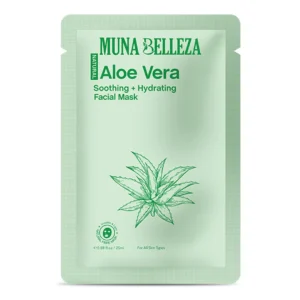
Aloe Vera Face Mask Sheet
Original price was: $7.00.$5.00Current price is: $5.00. Add to cartA 25 ml aloe vera sheet mask with ectoin, hyaluronic acid, chamomile and centella, made to soothe and hydrate dry, sensitive or sun-tired skin. Ships worldwide with DHL.
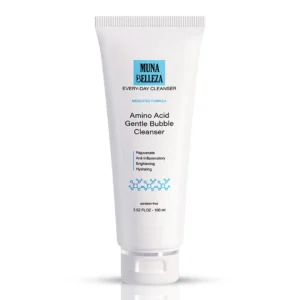
Amino Acid Gentle Bubble Cleanser
Original price was: $10.00.$7.00Current price is: $7.00. Add to cartA 100 ml foaming amino acid cleanser with honey extract, betaine and camellia flower extract. A soft-touch daily face wash for all skin types, shipped worldwide with DHL.
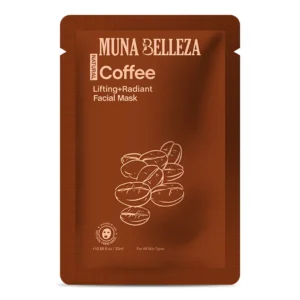
Coffee Face Mask – Lifting & Radiant
Original price was: $7.00.$5.00Current price is: $5.00. Add to cartA 25 ml coffee sheet mask with coffee extract, niacinamide and a vitamin C ester for dull, puffy-looking skin. A fresh-up mask you can use before a big day, shipped worldwide with DHL.
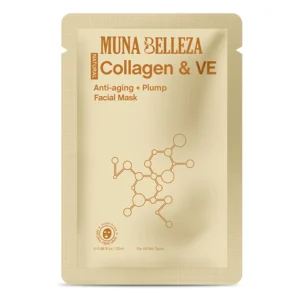
Collagen Face Mask – Anti-Aging & Plump
Original price was: $7.00.$5.00Current price is: $5.00. Add to cartA 25 ml collagen sheet mask with hydrolyzed collagen, vitamin E and a peptide, designed to leave tired, flat-looking skin feeling smooth and cushioned. Ships worldwide with DHL.
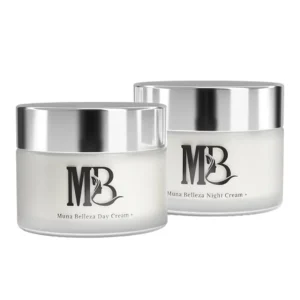
Day and Night Cream Set
Original price was: $54.00.$42.00Current price is: $42.00. Add to cartA day cream with niacinamide and licorice extract and a night cream with arbutin and vitamin C, designed to support a brighter, more even-looking skin tone. Ships worldwide with DHL.
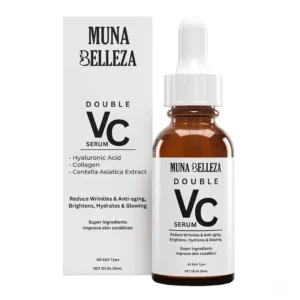
Double Vitamin C Serum
Original price was: $36.00.$28.00Current price is: $28.00. Add to cartA 30 ml vitamin C serum with pure ascorbic acid, hyaluronic acid and collagen for dull, tired-looking skin. One light step, morning and night. Ships worldwide with DHL.
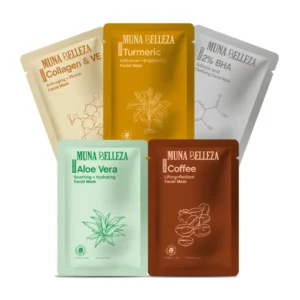
Korean Face Mask Sheets (Pack of 5)
Original price was: $19.00.$14.00Current price is: $14.00. Add to cartFive Korean sheet masks for five skin moods: aloe vera, collagen, salicylic acid, coffee and turmeric. The easiest way to find your favorite, shipped worldwide with DHL.
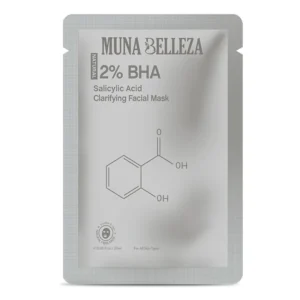
Salicylic Acid Face Mask (2% BHA)
Original price was: $7.00.$5.00Current price is: $5.00. Add to cartA 25 ml sheet mask with 2% salicylic acid, glycolic acid and witch hazel, designed to help clear congested pores and refine texture. A weekly treatment, shipped worldwide with DHL.
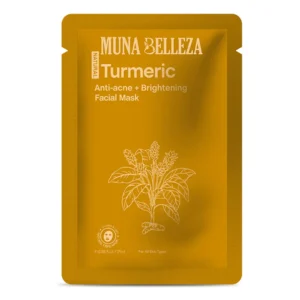
Turmeric Face Mask Sheet
Original price was: $7.00.$5.00Current price is: $5.00. Add to cartA 25 ml turmeric sheet mask with honey, niacinamide, alpha arbutin and tranexamic acid for breakout-prone skin and the marks breakouts leave behind. Ships worldwide with DHL.
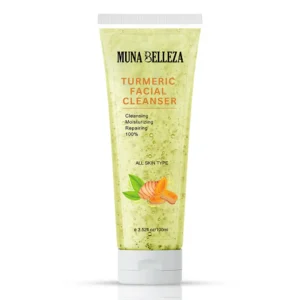
Turmeric Face Wash
Original price was: $11.00.$8.00Current price is: $8.00. Add to cartFoaming turmeric face wash with tea tree oil, ginger, aloe and hyaluronic acid, made for oily, breakout-prone skin. Ships worldwide with DHL in 3 to 5 working days.
Combination Skin: Balance Two Skin Types at Once
Combination skin is oily in some places, usually the forehead, nose and chin, and normal or dry elsewhere. That makes product choice tricky: what calms a dry cheek can add shine to the T-zone. The trick is to treat the whole face gently and then target each zone with the right extra.
A Balanced Routine
1. Cleanse with a mild, effective wash
The Amino Acid Gentle Bubble Cleanser is gentle enough for dry cheeks and still cleans the T-zone. In the evening, you can switch to the Turmeric Face Wash if you feel oily.
2. Use a serum that suits your main concern
Dull overall? Try the Double Vitamin C Serum. Uneven tone? Try the Dark Spot Correcting Serum.
3. Moisturize in layers
A light cream across the face is usually enough, with a second layer on drier areas. The Day and Night Cream Set gives you a lighter morning option and a richer night option.
4. Sunscreen every morning
Choose a light, comfortable texture so it does not add shine in the T-zone.
Multi-Masking: Different Masks for Different Zones
Combination skin is the best candidate for multi-masking. Place the salicylic acid mask on your nose and forehead and the aloe mask on cheeks. If you would rather experiment, the pack of five includes both, plus collagen, coffee and turmeric.
Ingredients That Suit Combination Skin
- Niacinamide: supports tone and texture without heaviness.
- Hyaluronic acid: light hydration for every zone.
- Salicylic acid: for T-zone congestion, used sparingly.
- Aloe and centella: soothing for dry or irritated patches.
Mistakes to Avoid
- Using a harsh, oil-stripping cleanser on the whole face.
- Skipping moisturizer because the T-zone is shiny.
- Applying strong acids to dry cheeks.
Delivery Worldwide
Every order is shipped with DHL in 3 to 5 working days. Shipping is a flat $35 up to $99 and free above $99. Details on the shipping and delivery page.
Combination Skin FAQs
Is combination skin the most common skin type?
It is very common. Many people find their skin changes with the seasons.
Should I use different products on different parts of my face?
You can, but a balanced routine plus occasional zone-specific masks is simpler.
How often should I exfoliate combination skin?
Once a week is usually enough. Focus on the T-zone and avoid dry cheeks.
Can combination skin change over time?
Yes. Climate, age, hormones and routine can all shift it.