Dry Skin
Skin that feels tight, rough or flaky needs steady care, not more products. Here is how to look after dry skin in the UAE, and what to use.
Dry Skin or Dehydrated Skin?
These two get mixed up constantly, and the difference changes what you should buy. Dry skin is a skin type: it does not make much oil, so it loses water quickly and feels rough. Dehydrated skin is a temporary condition: the skin is short of water, and it can happen to anyone, including people with oily or acne-prone skin. One is how your skin is built. The other is a phase your skin is going through.
Signs your skin is dry
Dry skin usually behaves the same way most of the year, whatever you put on it.
- It feels tight or slightly itchy soon after cleansing
- You see flaking around the nose, brows or along the jaw
- Makeup or sunscreen catches on rough patches
- Pores are small and barely visible, and skin rarely looks shiny
Signs your skin is dehydrated
Dehydrated skin turns up suddenly, often after a change in weather, travel or a new product.
- Skin looks dull and a little grey, even though it still gets oily in the T-zone
- Fine lines on the cheeks or forehead look more obvious than usual
- Skin feels tight but still shines a few hours later
- Moisturiser seems to sink in and disappear within an hour
When it is both
Plenty of people in the Gulf have dry skin that is also dehydrated, especially in peak summer when you move between blazing heat outside and cold, dry air indoors. If that is you, treat the water loss first with light hydrating layers, then seal it with a richer cream at night. Adding oils alone to skin that is short of water will feel greasy and still tight.
What Dries Skin Out in the UAE
Dryness here does not follow the usual seasonal story. The single biggest cause is indoor, not outdoor.
Air conditioning
Air conditioning pulls moisture out of the air, and out of your skin along with it. Most of us spend ten or more hours a day in it, at home, in the car and at work. That constant dry air is the reason skin can feel parched in a city surrounded by humid coastal weather. A hydrating layer in the morning and a richer one at night makes a noticeable difference.
Sun, heat and wind
Strong UV weakens the skin barrier over time, and hot desert wind speeds up water loss. Sun protection is not only about pigmentation and ageing. It is one of the practical things you can do to keep dry skin comfortable.
Hot water and long showers
Very hot water strips the natural oils that hold moisture in. Lukewarm water and a shorter shower are free changes that dry skin responds to within days. The same goes for washing your face: warm, not hot.
Cleansing that is too strong
A high-foaming wash built for oily skin will leave dry skin squeaking, and that squeak is the sound of a stripped barrier. Cleansing twice a day is fine, as long as what you are using is gentle enough that skin still feels soft afterwards.
A Simple Daily Routine for Dry Skin
Dry skin does well on a short, consistent routine. Three steps in the morning, three or four at night, done every day, will beat ten products used at random.
Morning
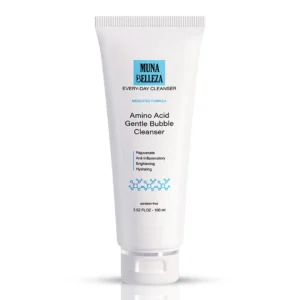
Cleanse with something mild, or simply rinse with lukewarm water if your skin feels comfortable when you wake up. Our Amino Acid Gentle Bubble Cleanser uses amino-acid based cleansing agents with glycerin and betaine, so it foams without stripping. Follow with a hydrating serum on slightly damp skin, then a moisturiser, then sun protection as your last step every morning.
Night
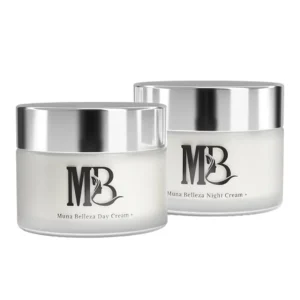
Evening is when dry skin gets the most benefit, because you are not layering makeup or sunscreen over it. Cleanse to remove sunscreen and the day, apply your treatment serum, then seal everything with a richer cream. The night cream in our Day & Night Cream pack contains argan oil, sodium hyaluronate, panthenol and niacinamide, which is a sensible combination for skin that loses water overnight.
Two or three times a week
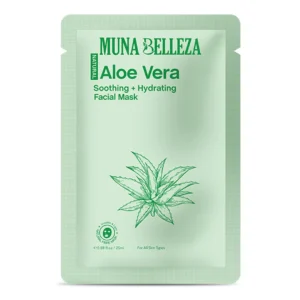
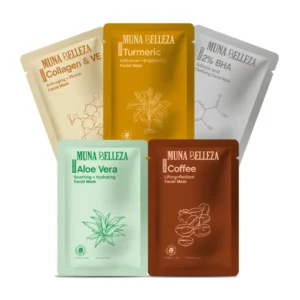
Add a hydrating sheet mask on the evenings when your skin feels most parched, after cleansing and before your cream. Our Aloe Vera Face Mask is formulated with aloe, ectoin, sodium hyaluronate and panthenol, and it is left on for fifteen minutes. If you want to try several, the pack of five sheet masks lets you see which one your skin prefers before committing.
Ingredients That Help Dry Skin
Dry skin needs two different jobs done: water brought in, and water kept in. Most routines fail because they only do the first one.
Humectants: pull water into the skin
These attract water and hold it in the upper layers. Glycerin, sodium hyaluronate, panthenol, betaine, beta-glucan, trehalose and ectoin all work this way. They feel light and absorb quickly, which is why they belong under your cream rather than instead of it. On their own in very dry air, humectants can pull water out of the skin, so always follow them with something richer.
Emollients and plant oils: soften and seal
Emollients smooth the rough surface and slow water loss. Shea butter oil, argan oil, jojoba oil, sunflower and soybean oil, caprylic/capric triglyceride and phospholipids all sit in this group, and several appear across our creams and serums. This is the step most people skip when their skin is flaking.
Calming and barrier support
Dry skin is often reactive skin, so ingredients that settle irritation matter. Allantoin, centella asiatica, chamomile, licorice root extract and aloe are gentle and well tolerated. niacinamide is worth knowing about too: it supports the skin barrier and helps with tone, and it appears in several products in the range.
What to Ease Off When Skin Is Dry
Dryness is often something a routine is doing, not something a routine is missing. Before adding anything, take a look at what you can pull back.
- Strong exfoliating acids or scrubs more than once or twice a week
- Alcohol-heavy toners and astringents, which give a clean feeling and cost you moisture
- Two or three actives layered in the same session, particularly acids with retinol
- Very hot water, and rough towels or cloths on the face
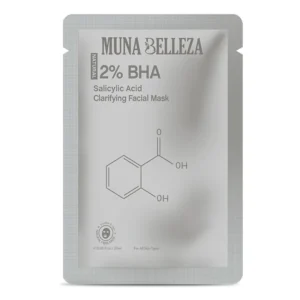
- Clarifying products designed for oily skin. Our Salicylic Acid Face Mask is a good example: it is built for congestion and visible pores, not for dryness. If your skin is dry and you also get blocked pores, use it once a week at most and follow it with a rich cream.
Which Muna Belleza Products Suit Dry Skin
Not everything in our range is right for dry skin, and it would be easy to pretend otherwise. Our turmeric cleanser, for example, is built for oily and acne-prone skin, and our beauty face wash uses stronger foaming agents. Neither is our recommendation if your skin is already dry. Here is what we would point you towards instead.
| If this sounds like you | Start with | Why it fits |
| Skin feels tight and squeaky right after washing | Amino Acid Gentle Bubble Cleanser | Amino-acid based cleansing agents with glycerin and betaine, so skin is clean without that stripped feeling. |
| Rough patches, flaking, skin that drinks up moisturiser by midday | Day & Night Cream | Day cream brings shea butter oil, soybean oil and phospholipids; night cream adds argan oil, hyaluronate and panthenol for overnight comfort. |
| Skin is stressed after sun, heat or a long day in air conditioning | Aloe Vera Face Mask | Aloe, ectoin, hyaluronate and panthenol in a fifteen-minute soak. A calming reset, not a replacement for daily moisturiser. |
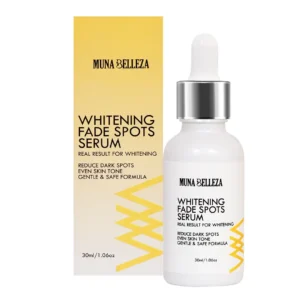
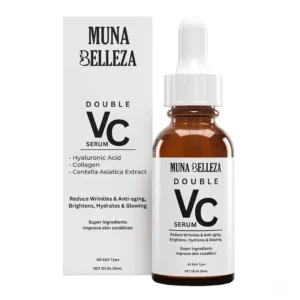
| Dryness plus dullness, or dryness plus dark marks | Double VC Serum | Both sit under your cream rather than replacing it. Patch test first, use sun protection in the day, and give marks several weeks. |
All products are for all skin types unless stated. Patch test any new product on a small area first, especially if your skin is reactive.
What Skincare Can and Cannot Do for Dry Skin
Honest expectations make this easier. A good routine can make dry skin comfortable, softer and less flaky, usually within one to two weeks, and the barrier itself generally settles over about three to four weeks of consistent care. Skin feels better long before it looks different.
What skincare cannot do is change your skin type permanently. Dry skin is managed rather than cured, and it comes back when the routine stops. Products also cannot fix dryness that has a medical cause. If you have persistent itching, cracked or bleeding skin, red scaly patches, or dryness that started with a new medication, that is a conversation for a doctor or dermatologist, not a moisturiser. Pigmentation and marks fade slowly whatever you use, and nothing applied to the face changes the structure of your skin overnight.
Dry Skin FAQs
H3 How long does it take to repair a dry skin barrier?
Most people feel a difference in comfort within a few days of cutting back on harsh products and moisturising properly. A stripped barrier usually takes around three to four weeks of steady, gentle care to settle. The pattern matters more than any single product: the same routine every day beats an intensive weekend.
H3 Does drinking more water fix dry skin?
Staying hydrated is good for you, but drinking extra water will not resolve dry skin on its own. Dryness is about how well the outer layer of skin holds on to water, which is why what you apply on top makes a bigger visible difference than what you drink. Do both, and expect the topical side to do the heavy lifting.
Should my routine change between summer and winter in the UAE?
A little. Summer means more time in air conditioning and more sun exposure, so hydration and sun protection matter most. The cooler months bring drier outdoor air and evening breezes, which is when many people find they want a richer cream at night. Keep the same steps year-round and adjust how heavy the final layer is.
Can I use vitamin C or exfoliating acids if my skin is dry?
Yes, with a lighter hand. Start two or three times a week rather than daily, apply on skin that is not freshly scrubbed, and always follow with a moisturiser. If you notice stinging, redness or new flaking, space the applications further apart. Vitamin C in particular needs sun protection during the day.
Do I still need SPF if my skin feels dry and tight?
Yes, and it is one of the most useful things you can do for it, since UV damage weakens the barrier that holds moisture in. We do not currently make a sunscreen, so choose one that feels comfortable on you and apply it as the final morning step over your moisturiser.
Why does my skin feel dry after a flight?
Cabin air is extremely dry, and a few hours in it pulls water out of the skin quickly. Cleanse gently when you land, apply a hydrating layer on slightly damp skin and seal it with a cream. A sheet mask the evening you arrive is a comfortable way to catch up.
Can my skin type change from oily to dry?
It can shift over time. Oil production tends to slow with age, and pregnancy, medication and a change of climate can all move skin in either direction. Someone who was oily in their twenties may be genuinely dry in their forties. It is worth reassessing your routine every couple of years rather than sticking with what suited you a decade ago.
When should I see a doctor about dry skin?
See a doctor if dryness comes with persistent itching, cracking, bleeding, raised scaly patches or swelling, or if it appeared suddenly alongside a new medication. Conditions such as eczema and psoriasis need proper treatment, and skincare alone will not manage them.