
Moisturizing
Moisturizing is the step people skip fastest, and the one that shows the most in this climate. Between air conditioning indoors and heat and sun outdoors, skin here loses water all day, every day. Here is what actually keeps it hydrated, which ingredients are worth paying attention to, and how hyaluronic acid and glycerin fit into a routine that works.
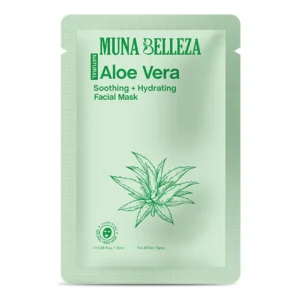
Aloe Vera Face Mask Sheet
Original price was: $7.00.$5.00Current price is: $5.00. Add to cartA 25 ml aloe vera sheet mask with ectoin, hyaluronic acid, chamomile and centella, made to soothe and hydrate dry, sensitive or sun-tired skin. Ships worldwide with DHL.
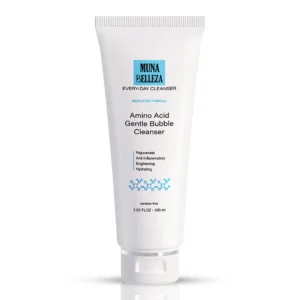
Amino Acid Gentle Bubble Cleanser
Original price was: $10.00.$8.00Current price is: $8.00. Add to cartA 100 ml foaming amino acid cleanser with honey extract, betaine and camellia flower extract. A soft-touch daily face wash for all skin types, shipped worldwide with DHL.
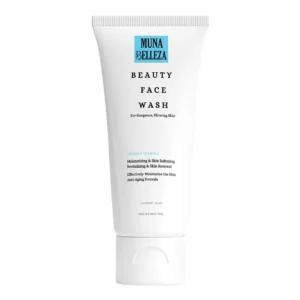
Beauty Face Wash
Original price was: $8.00.$6.00Current price is: $6.00. Add to cartA 60 ml daily face wash with a rich lather, glycerin and multivitamins that lifts dirt, oil and city dust. One wash for men and women, all skin types. Ships worldwide with DHL.
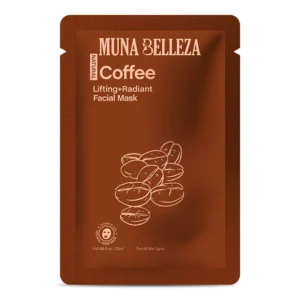
Coffee Face Mask – Lifting & Radiant
Original price was: $7.00.$5.00Current price is: $5.00. Add to cartA 25 ml coffee sheet mask with coffee extract, niacinamide and a vitamin C ester for dull, puffy-looking skin. A fresh-up mask you can use before a big day, shipped worldwide with DHL.
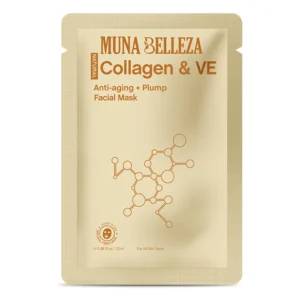
Collagen Face Mask – Anti-Aging & Plump
Original price was: $7.00.$5.00Current price is: $5.00. Add to cartA 25 ml collagen sheet mask with hydrolyzed collagen, vitamin E and a peptide, designed to leave tired, flat-looking skin feeling smooth and cushioned. Ships worldwide with DHL.
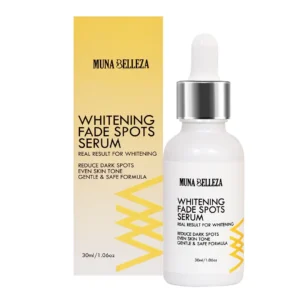
Dark Spot Correcting Serum
Original price was: $36.00.$28.00Current price is: $28.00. Add to cartA lightweight 30 ml serum with niacinamide and alpha arbutin for dark spots, sun spots and post-acne marks. Used morning and night. Ships worldwide with DHL.
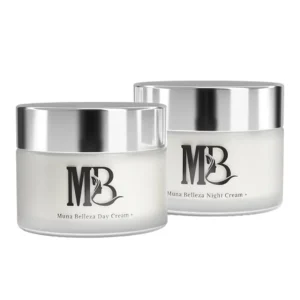
Day and Night Cream Set
Original price was: $54.00.$43.00Current price is: $43.00. Add to cartA day cream with niacinamide and licorice extract and a night cream with arbutin and vitamin C, designed to support a brighter, more even-looking skin tone. Ships worldwide with DHL.
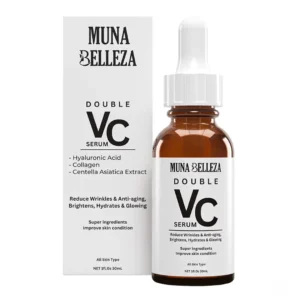
Double Vitamin C Serum
Original price was: $36.00.$28.00Current price is: $28.00. Add to cartA 30 ml vitamin C serum with pure ascorbic acid, hyaluronic acid and collagen for dull, tired-looking skin. One light step, morning and night. Ships worldwide with DHL.
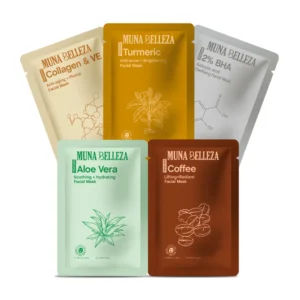
Korean Face Mask Sheets (Pack of 5)
Original price was: $19.00.$15.00Current price is: $15.00. Add to cartFive Korean sheet masks for five skin moods: aloe vera, collagen, salicylic acid, coffee and turmeric. The easiest way to find your favorite, shipped worldwide with DHL.
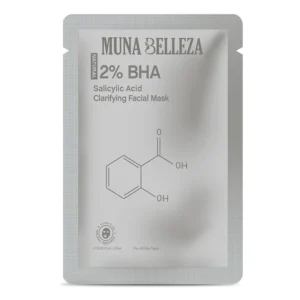
Salicylic Acid Face Mask (2% BHA)
Original price was: $7.00.$5.00Current price is: $5.00. Add to cartA 25 ml sheet mask with 2% salicylic acid, glycolic acid and witch hazel, designed to help clear congested pores and refine texture. A weekly treatment, shipped worldwide with DHL.
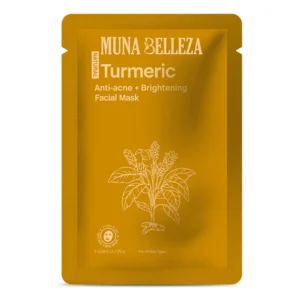
Turmeric Face Mask Sheet
Original price was: $7.00.$5.00Current price is: $5.00. Add to cartA 25 ml turmeric sheet mask with honey, niacinamide, alpha arbutin and tranexamic acid for breakout-prone skin and the marks breakouts leave behind. Ships worldwide with DHL.
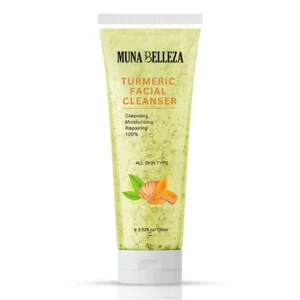
Turmeric Face Wash
Original price was: $11.00.$8.00Current price is: $8.00. Add to cartFoaming turmeric face wash with tea tree oil, ginger, aloe and hyaluronic acid, made for oily, breakout-prone skin. Ships worldwide with DHL in 3 to 5 working days.
Why Moisturizing Matters More Here Than Almost Anywhere Else
Two things work against your skin's moisture at the same time in the UAE. Air conditioning strips humidity out of indoor air, and most people spend the bulk of their day under it — offices, malls, cars, homes. Step outside and heat plus sun exposure pushes water out through the skin even faster. The result is skin that can feel oily on the surface and dehydrated underneath at the same time, which is exactly why a moisturizer that worked fine somewhere else can stop working once you move here.
What a Moisturizer Actually Does
A good moisturizer is not just "adding water." It works on two fronts: pulling water into the outer layer of skin, and sealing that water in so it does not evaporate as fast. Skip either job and the effect wears off within a few hours indoors.
Hyaluronic Acid and Glycerin Do Different Jobs
Hyaluronic acid holds onto water once it is in the skin — a single gram can hold close to a thousand times its own weight in water, which is why it plumps skin so visibly. Glycerin does the pulling: it draws moisture up from the air and from deeper skin layers toward the surface. Used together, one brings the water in and the other keeps it from leaving. For the fuller picture of how hyaluronic acid works and where you will find it, read the ingredient guide here.
Layering a Moisturizer Into a Real Routine
Order matters more than most people expect. Cleanse first, apply any treatment serum while skin is still slightly damp, moisturize to lock everything in, then finish with sunscreen in the morning. Moisturizing after a serum rather than before it is what lets the serum's active ingredients reach the skin instead of sitting on top of a sealed barrier.
Choosing a Moisturizer for Your Skin Type
The right texture depends on what your skin actually does, not just how it feels today. Dry skin generally needs a richer, more occlusive formula that seals moisture in for longer. Oily skin still needs moisture — skipping it only pushes the skin to produce more oil to compensate — but does better with a lightweight, gel-based texture. Combination skin often needs two different textures for different zones of the face. Sensitive skin does best with a short, fragrance-free ingredient list that will not trigger irritation.
Where Muna Belleza Fits Right Now
A straightforward note rather than a sales pitch: dedicated, stand-alone moisturizers are a part of the range we are still building out. The closest match today is the Day and Night Cream Set, a two-step day and night routine that pairs real hydration with niacinamide, arbutin and vitamin C for tone as well as moisture. If a simple, dedicated hydrating cream is what you are after, check back soon — this is a category we are actively adding to.
Moisturizing FAQs
Do I need a separate day cream and night cream?
Not always. What matters more is whether your formula includes SPF for daytime and whether your nighttime routine can carry slightly richer or more active ingredients, since skin repairs itself while you sleep. A single well-formulated moisturizer used morning and night, with sunscreen layered on top in the day, works for most people.
Can a hyaluronic acid serum replace a moisturizer?
Not on its own. Hyaluronic acid pulls water in, but without a moisturizer's sealing ingredients on top, that water can evaporate straight back out — especially in a dry, air-conditioned room. The two work best layered together, serum first, moisturizer over it.
How often should I moisturize in UAE heat?
Twice a day is the standard starting point, morning and night, regardless of how hot it is outside. Air conditioning indoors dries skin out just as much as heat does outdoors, so the UAE climate rarely gives skin a real break from moisture loss.