 Gentle skincare for clear, even-looking skin
Turmeric Skincare Products
Turmeric skincare has deep roots in this part of the world, from the haldi paste of a South Asian wedding to grandmothers' home remedies. We use turmeric extract in two products: a twice-a-day cleanser for shiny, breakout-prone skin and a sheet mask for marks and uneven tone. The five-mask pack includes the mask too. This page explains what turmeric can realistically do, why a formula behaves differently from a kitchen paste, and how to fit both products into your week.
Jump to: What turmeric does · Product or paste? · Product by product · Which one to pick · A turmeric routine · Who should take care · Questions
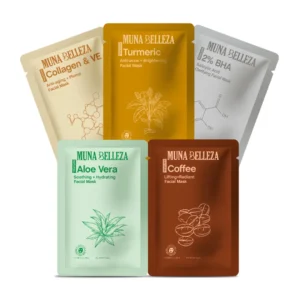
Face Mask Sheets (Pack of 5)
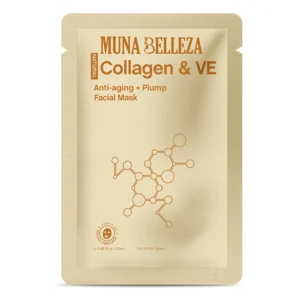
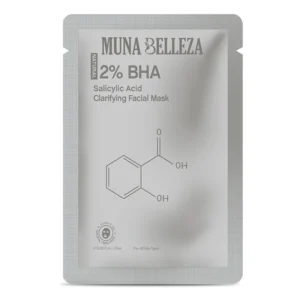
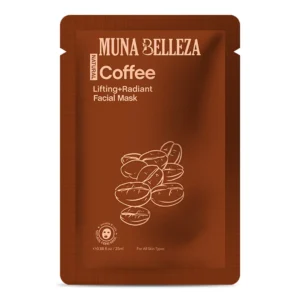
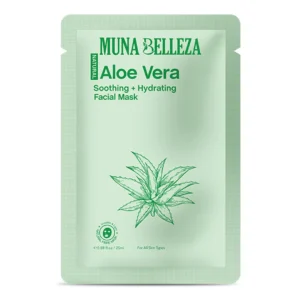
Original price was: $19.00.$15.00Current price is: $15.00. Add to cartA face mask set with one of each of our five sheet masks: aloe vera, collagen, salicylic acid, turmeric and coffee. Each one has a different job, so you can match the mask to your skin on the day, or try all five before you pick a favorite.
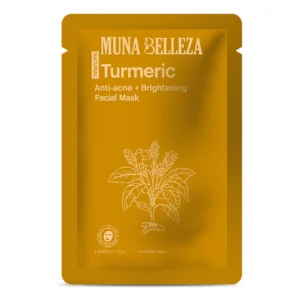
Turmeric Face Mask Sheet
Original price was: $7.00.$5.00Current price is: $5.00. Add to cartA fragrance-free turmeric sheet mask pairing niacinamide with tranexamic acid and alpha arbutin, made to help dark spots and uneven tone look lighter over time, while it hydrates.
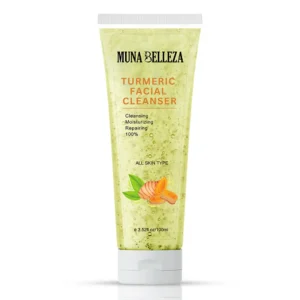
Turmeric Face Wash
Original price was: $11.00.$8.00Current price is: $8.00. Add to cartA daily face wash for oily skin that clears shine and sweat with a light, sulfate-free gel foam. Turmeric, tea tree and ginger extracts give it a fresh, clean feel, and aloe vera plus hyaluronic acid stop your face from feeling dry after rinsing. Made for oily, combination and breakout-prone skin.
What turmeric can do for your skin
The golden colour of turmeric comes from curcumin, a plant compound with antioxidant and calming properties. In lab work it dampens several of the signals skin sends out when it is inflamed, which is why researchers have looked at it for acne, redness and sun damage.
The human evidence is encouraging but early. A 2016 systematic review found that most of the clinical studies it covered reported some benefit for skin, while noting they were small and varied in quality. So turmeric is best seen as a supporting ingredient that helps skin stay calm, not as a cure for acne or pigmentation.
One myth is worth clearing up: turmeric does not lighten your natural skin colour. Any brighter look comes from calmer skin and, in our mask, from ingredients made specifically to fade marks.
Turmeric product or kitchen paste?
Homemade turmeric masks are part of many family traditions, and there's nothing wrong with enjoying one now and then. They do behave differently from a finished product, though:
- Staining: turmeric powder is a strong dye. A paste can leave skin, nails, towels and pillowcases yellow for a day or more.
- Unknown strength: one spoonful of spice varies a lot from the next, and powder sits on top of skin rather than being formulated to spread evenly.
- Risky add-ins: recipes often add lemon juice or baking soda, both of which can irritate skin, especially before going out in strong sun.
- Hygiene: a kitchen paste has no preservative, so it can't be kept and reused safely.
A formulated product uses a measured extract inside a base designed to cleanse or hydrate, alongside ingredients chosen to work with it.
Turmeric in each of our products
Here are our turmeric skincare products, showing the label name for turmeric and its rank among the ingredients.
| Product | Turmeric on the label | Main partners | How you use it | Fragrance |
|---|---|---|---|---|
| Turmeric Face Wash | Curcuma Longa Extract, 7th of 15 | Tea tree oil, aloe leaf juice, ginger, sodium hyaluronate | Rinse-off cleanser, morning and night | None listed |
| Turmeric Face Mask Sheet | Curcuma Longa Extract, 11th of 41 | Niacinamide, tranexamic acid, alpha-arbutin, panthenol | Leave-on sheet, 15 minutes, several evenings a week | None listed |
| Face Mask Sheets (Pack of 5) | In 1 of the 5 masks | The turmeric mask plus four others | One mask per session | 4 of 5 masks |
In the face wash, turmeric sits fairly high, just after the cleansing agents, and teams up with tea tree oil for skin that gets oily and congested. In the mask it plays a supporting role: niacinamide and tranexamic acid come before it on the label, and they do most of the work on marks. Both formulas list no fragrance.
Which one should you pick?
Oily skin, shine and breakouts
Choose the Turmeric Face Wash. It foams lightly with mild cleansers and is made for twice-daily use on oily or combination skin. Tea tree oil can sting dry, sensitive or freshly shaved skin, so start slowly if that's you. You'll find more for shine in our oily skin range.
Post-acne marks and uneven tone
Choose the Turmeric Face Mask Sheet. Turmeric is joined by three well-studied mark-fading actives: tranexamic acid, niacinamide and alpha-arbutin. You leave the essence on after 15 minutes. It contains soy and honey extracts. For a wider look at treating marks, see dark spots.
Both concerns
Use the wash every day and add the mask a few evenings a week. They are designed to sit comfortably in the same routine.
Just curious
In the Face Mask Sheets (Pack of 5) you get one turmeric mask alongside four others, a gentle way to see how your skin responds.
A simple turmeric skincare routine
- Morning: wash with the turmeric face wash, apply a light moisturiser, then sunscreen of SPF 30 or more.
- Evening: wash again to take off sunscreen, sweat and the day's oil.
- Three or four evenings a week: after washing, apply the turmeric mask for 15 minutes, press in what's left, then moisturise.
- Give it time: skin often feels less oily within a couple of weeks; marks need around two months of regular masks plus daily sunscreen.
The mask's niacinamide works well alongside other actives. If you want to know how much of it is in each of our products, our niacinamide skincare page lists them.
Who should take care
Turmeric is gentle for most people, but contact allergy to curcumin does exist and has been reported more often as turmeric products have become popular. Do a two-day patch test on a small area before the first full-face use. In our two products, the extra watch-points are tea tree oil (wash) plus soy and honey extracts (mask). If you have painful, cystic or scarring acne, see a dermatologist: a cleanser and a mask can support treatment but won't replace it.
Turmeric skincare questions
Will turmeric skincare stain my face yellow?
Staining mostly comes from turmeric powder in homemade pastes. Our products use turmeric extract inside a finished formula rather than loose powder, and the wash is rinsed off. If a slight tint ever appears, a second cleanse removes it.
Does turmeric lighten skin?
No. It can help skin look calmer and more even, and the mask's other ingredients help fade marks, but your natural colour stays the same.
Is turmeric good for acne?
Its calming, antioxidant action can support skin that breaks out, and our wash pairs it with tea tree oil. It isn't an acne treatment on its own, so persistent or painful acne needs a dermatologist.
Is it fine to wash with turmeric morning and night?
Yes. It's made for morning and evening use on oily and combination skin. If your skin starts to feel tight, drop to once a day and add a moisturiser.
How often should I use the turmeric mask?
Three or four evenings a week suits most skin. For marks, consistency over about two months matters more than using it every night.
Can I use turmeric skincare if I have sensitive skin?
Often, yes, as neither product lists fragrance. Patch test first, and be aware that tea tree oil in the wash can sting reactive skin; the mask is usually the gentler starting point.
Start with turmeric
If shine and breakouts are your main concern, begin with the turmeric face wash. If marks bother you more, start with the mask and keep up with sunscreen. Browse all our turmeric skincare products above, or explore other ingredients through our Shop by Ingredient hub.