 Gentle skincare for clear, even-looking skin
Vitamin C Skincare Products
Vitamin C skincare earns its place in a morning routine: it shields skin from the daily wear of sun and city air, and over time it can make a dull, uneven complexion look brighter. Three of our products contain a true form of vitamin C, and a fourth gives you one of them in a mixed mask pack. Below you'll see which form each one uses, how strong it is likely to be, and how to store and layer vitamin C so it keeps working in Gulf heat.
Jump to: What it does · Forms of vitamin C · Product by product · How to choose · Storage · Layering · Questions
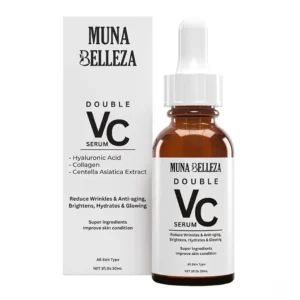
Double Vitamin C Serum with Hyaluronic Acid
Original price was: $36.00.$28.00Current price is: $28.00. Add to cartA lightweight vitamin C and hyaluronic acid serum for skin that looks dull, tired or uneven. One layer each morning brightens and hydrates before your moisturizer and sunscreen.
- Vitamin C (ascorbic acid) for antioxidant support and a brighter-looking complexion
- Hyaluronic acid, glycerin and betaine to hold water in the skin
- Centella asiatica and beta-glucan to keep the formula calm and comfortable
- Water-based, no added fragrance, no oils · 30 ml (1 fl oz)
- Ships from the UAE by DHL Express, usually 2–3 business days to the US. We pay the duties and taxes, so there’s nothing extra to pay when it arrives.
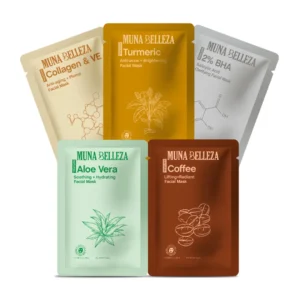
Face Mask Sheets (Pack of 5)
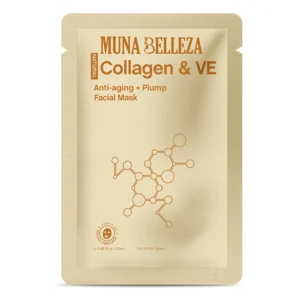
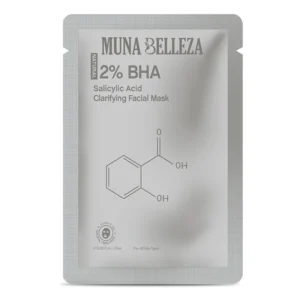
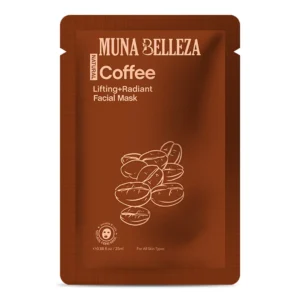
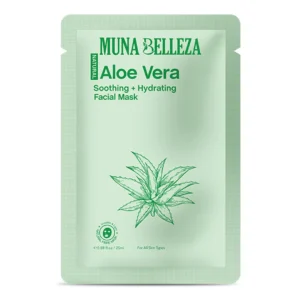
Original price was: $19.00.$15.00Current price is: $15.00. Add to cartA face mask set with one of each of our five sheet masks: aloe vera, collagen, salicylic acid, turmeric and coffee. Each one has a different job, so you can match the mask to your skin on the day, or try all five before you pick a favorite.
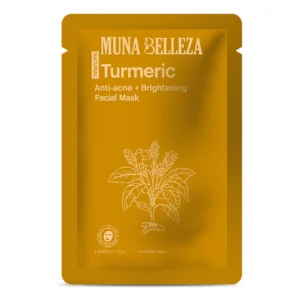
Turmeric Face Mask Sheet
Original price was: $7.00.$5.00Current price is: $5.00. Add to cartA fragrance-free turmeric sheet mask pairing niacinamide with tranexamic acid and alpha arbutin, made to help dark spots and uneven tone look lighter over time, while it hydrates.
What vitamin C does for your skin
Vitamin C has decades of research behind it, and that work points to three useful jobs. First, it is an antioxidant: it neutralises free radicals, the reactive particles sunlight and smog generate inside skin. Second, it slows the enzyme (tyrosinase) that skin uses to make pigment, which is why marks and patchy tone can look softer with regular use. Third, it is essential for making collagen, the protein behind firm, springy skin.
Two points keep expectations realistic. Vitamin C works best as a partner to sunscreen, never as a replacement for it. And it is a slow ingredient: brightness tends to show after a few weeks, while marks take closer to a full season of steady use. It evens out tone; your natural colour stays exactly as it is, and anyone selling it as a whitening product is overpromising.
The different forms of vitamin C on a label
Pure vitamin C is fragile. Air, light and warmth all break it down, so brands use either the pure form with careful packaging or a more stable relative. Here are the names you'll meet:
- Ascorbic Acid (L-ascorbic acid): vitamin C itself, and the version most studies use. Most effective in an acidic, water-based formula, but also the quickest to break down.
- 3-O-Ethyl Ascorbic Acid: an altered version designed to survive longer in a formula. Gentler on skin, with less published research than pure vitamin C.
- Sodium or Magnesium Ascorbyl Phosphate, Ascorbyl Glucoside: water-loving, stable forms often chosen for sensitive skin. Skin converts part of them to vitamin C.
- Ascorbyl Palmitate, Tetrahexyldecyl Ascorbate: oil-loving forms. Ascorbyl palmitate in small amounts is usually there to protect the formula itself rather than to treat skin.
In lab studies, pure ascorbic acid penetrates skin best at roughly 10 to 20% and a low pH. Higher numbers aren't automatically better, though: above that range, irritation rises faster than results.
Vitamin C in each of our products
We read every ingredient list in our range. Below are our skincare products with vitamin C in a form meant to act on your skin, with its label name and how far down the list it appears.
| Product | Form of vitamin C | Position | Works alongside | Fragrance |
|---|---|---|---|---|
| Double Vitamin C Serum with Hyaluronic Acid | Ascorbic Acid | 10th of 18 | Hyaluronic acid, betaine, centella, beta-glucan | None listed |
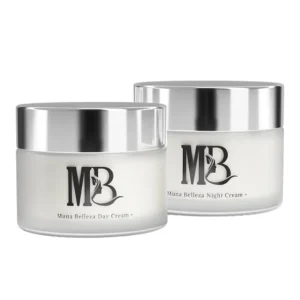
| Day and Night Cream Set | Ascorbic Acid (night cream only) | 16th of 29 | Niacinamide, arbutin, sodium hyaluronate, vitamin E | Night cream (aroma) |
| Turmeric Face Mask Sheet | 3-O-Ethyl Ascorbic Acid | 30th of 41 | Turmeric, niacinamide, alpha-arbutin, tranexamic acid | None listed |
| Face Mask Sheets (Pack of 5) | 3-O-Ethyl Ascorbic Acid (turmeric mask) | In 1 of the 5 masks | The turmeric mask is one of the five | 4 of 5 masks |
None of these products prints a percentage, so here is the honest reading. In the serum, ascorbic acid comes after ingredients normally used well under 1%, which points to a gentle, low-strength formula. That suits first-time users and reactive skin, but if you want a 15 to 20% serum, ours isn't it. In the night cream and the turmeric mask, vitamin C is one brightening ingredient among several rather than the lead.
Ascorbyl Palmitate also shows up on three of our other sheet masks: aloe, collagen and coffee. It is there to keep those formulas fresh, so we haven't listed them here as vitamin C products.
How to choose the best vitamin C skincare for you
First time with vitamin C, or easily irritated skin
Start with the Double Vitamin C Serum. The base is water, with no oils and no added fragrance, and centella and beta-glucan help keep it comfortable. One layer in the morning is enough.
You want one step at night that covers several things
The night cream in the Day and Night Cream Set combines vitamin C with niacinamide, arbutin and vitamin E, and moisturises at the same time. It contains fragrance.
Post-acne marks or uneven tone, and you like a weekly treat
The Turmeric Face Mask Sheet teams a stable vitamin C with three other tone-evening actives: niacinamide, alpha-arbutin and tranexamic acid. No fragrance is listed; it does contain soy and honey extracts.
You'd like to try before committing
The Face Mask Sheets (Pack of 5) includes the turmeric mask alongside four others, so you can see how your skin takes to it.
How to store vitamin C skincare in hot weather
Heat is vitamin C's biggest enemy, and in the Gulf a product can lose strength faster than the label suggests. A few habits make a real difference:
- Never leave it in the car. A parked car in summer gets far hotter than any bathroom, and one afternoon can do lasting damage.
- Keep it out of sunlight. A bedroom drawer or a shaded shelf is better than a sunny windowsill or dressing table.
- Close it straight after use. Every minute open lets in air, which speeds up oxidation.
- Check the open-jar symbol. The small icon with a number and an M (such as 6M) tells you how many months the product stays at its best once opened.
- Watch the colour. A serum that turns noticeably darker, from pale to deep orange or brown, has oxidised and is past its best. A faint change is normal.
Layering vitamin C with other products
Mornings are vitamin C's natural slot, because its antioxidant protection backs up your sunscreen through the day. A simple order: cleanse, vitamin C serum, moisturiser, then SPF 30 or higher.
- Niacinamide: fine together. That old warning traces back to heated lab experiments, which don't reflect a normal routine. If you want both, our niacinamide skincare page shows where it sits in each product.
- Vitamin E: a good partner. Studies show C and E together protect skin better than either one alone.
- Retinol and retinoids: keep them for evenings and your vitamin C for mornings.
- Glycolic or salicylic acid: separate them by time of day or by day of the week to avoid stinging.
- Benzoyl peroxide: it can oxidise vitamin C, so don't apply the two in the same routine.
- Dark spot treatments: the Dark Spot Correcting Serum works well at night alongside a morning vitamin C.
Who should go slowly
A light tingle for a few seconds can happen with vitamin C, especially on dry or freshly shaved skin. Redness, burning or itching that lasts is a sign to stop. Test any new product on a small area for a couple of days first, and introduce one active at a time so any reaction is easy to trace. Remember the other ingredients too: fragrance in the night cream, and soy and honey extracts in the turmeric mask. Melasma, or any spot that changes shape, colour or size, needs a dermatologist, not just a serum.
Vitamin C skincare questions
Is vitamin C better for daytime or bedtime?
Morning is ideal, because its antioxidant protection supports your sunscreen during the day. It still works at night, so if mornings are rushed, evening use is better than skipping it.
Can I use vitamin C and niacinamide together?
Yes. Modern formulas of both are compatible, and many people use them in the same routine. If your skin flushes, use one in the morning and the other at night.
My vitamin C serum has gone darker. Is it still good?
Exposure to oxygen, sunlight and warmth oxidises vitamin C, and that darkens the colour. A slight change is normal over time; a strong orange or brown shade tells you most of its power is gone, so replace it.
How long does vitamin C take to work?
Skin often looks fresher within three to four weeks. Marks and patchy tone take longer, often two or three months, and only with sunscreen every day.
Does vitamin C lighten skin?
No. It can fade dark marks and even out patchy tone, but your natural skin colour stays the same.
Does vitamin C skincare work on oily, breakout-prone skin?
Yes. A light, water-based serum suits oily skin, and vitamin C can help marks left by breakouts fade. It won't treat active acne on its own.
Start your vitamin C routine
For most people the simplest start is one morning serum under sunscreen. Begin with our vitamin C serum, give it eight weeks, and add the night cream or a weekly turmeric mask if you want more. Browse all our vitamin C skincare products above, see the rest of our ingredients on the Shop by Ingredient page, or head to dull skin if tired-looking skin is your main concern.