 Gentle skincare for clear, even-looking skin
Jojoba oil for your face is a good choice if you want a light oil that softens skin and slows water loss without feeling greasy. It is closer in makeup to your skin’s own oil than almost any other plant oil, which is why most skin types get along with it.
It is not a miracle in a bottle, though. Jojoba adds no water to the skin, so it works best with a hydrating product underneath, and a few claims made for it go further than the evidence. Here is what it does well, who it suits, and how to use it.
What is jojoba oil?
Jojoba oil is pressed from the seeds of a desert shrub that grows in the American Southwest and northern Mexico. Despite the name, it is technically a liquid wax, not an oil. Most plant oils are made of triglycerides. Jojoba is made almost entirely of wax esters.
That detail matters because wax esters are also a major part of human sebum, the oil your own skin makes. Jojoba sits comfortably on the skin for that reason. It is also unusually stable, so it keeps for a long time without turning rancid, and it naturally contains a little vitamin E.
What are the jojoba oil benefits for skin?
The main jojoba oil benefits for skin are simple and well supported.
- It softens. As an emollient, it fills the tiny gaps between surface skin cells, so rough or flaky skin feels smoother straight away.
- It slows water loss. A thin layer on top of the skin helps hold in the moisture that is already there.
- It is gentle. Reviews of the research describe jojoba as well tolerated, with allergic reactions being rare.
- It is light. It spreads easily and sinks in faster than heavier oils such as olive or coconut.
Laboratory studies also point to a calming effect on irritated skin, although good trials in people are still limited. We would treat that as a possible bonus, not a promise.
What are the benefits for your face in particular?
Facial skin is thinner and often oilier than skin on the body, so heavy oils can feel like too much. The benefits for your face come from jojoba being light: it softens dry patches, takes the tight feeling out of freshly washed skin, and sits well under sunscreen or makeup without leaving a slick.
Does jojoba oil clog pores?
For most people, no. Jojoba is generally rated as having a low chance of clogging pores, and its similarity to sebum means it spreads in a thin film instead of sitting in a thick layer.
Low is not the same as zero, however. Any oil can cause breakouts in some people, and those ratings come from old tests that do not predict every face. If you break out easily, try it on a small area along your jaw for a couple of weeks before using it everywhere.
Is jojoba oil good for oily skin?
It can be. Using jojoba oil for oily skin sounds backwards, but oily skin still loses water and can end up shiny and tight at the same time. Two or three drops over a light moisturizer may be all it needs.
One popular claim deserves caution. You will often read that jojoba “tricks” the skin into making less oil. It is a neat idea, but there is no solid clinical proof that it changes how much sebum your glands produce. Use it because your skin feels comfortable with it, not to switch off oil production.
Is jojoba oil good for dry skin?
Yes, with one condition. Jojoba oil for dry skin works well as the final step that seals moisture in, but dry skin needs water as well as oil. Used alone on dry, tight skin, any oil can leave it soft on top and still thirsty underneath.
Apply a hydrating serum or cream first, ideally one with glycerin or hyaluronic acid, then press a few drops of jojoba over it. In cold or very dry weather, very dry skin may still want a richer cream on top.
Can you use jojoba oil as a moisturizer?
You can use jojoba oil as a moisturizer partner more than a replacement. A complete moisturizer does three jobs: it draws water into the skin with humectants, smooths with emollients, and slows evaporation with occlusives. Jojoba covers the second and part of the third. It does not do the first.
In a humid summer, normal or oily skin may be happy with a hydrating serum plus jojoba. Most other faces do better with a proper cream and jojoba as an optional extra. If you would like a ready-made option, our Day and Night Cream Set pairs humectants with plant oils and shea, and you can see the rest under moisturizers.
How do you use jojoba oil for your face?
Keep it simple.
- Cleanse, and leave your skin slightly damp.
- Apply any water-based serum, then your moisturizer.
- Warm two to four drops of jojoba between your palms and press it over your face. More than that is wasted.
- In the morning, wait a minute, then apply sunscreen.
You can also mix a drop into your moisturizer in the palm of your hand. Buy cold-pressed, unrefined jojoba in a dark bottle, and store it away from heat and sunlight.
Can you use it to take off makeup?
Yes. Massage a small amount over dry skin to loosen makeup and sunscreen, wipe gently with a damp cloth, then wash with your usual cleanser. Our fragrance-free Amino Acid Gentle Bubble Cleanser is mild enough for that second step.
How does jojoba compare with other face oils?
It is lighter than most. Coconut oil is far more likely to clog pores, and olive oil can weaken the skin barrier in some people. Argan and rosehip oils are closer in feel, but they spoil faster. Jojoba earns its place by being stable, light and unlikely to cause trouble, which makes it a sensible first oil to try.
Does jojoba oil work as sun protection?
No. You may see jojoba described as a natural sunscreen. It is not one. No plant oil gives reliable, tested protection, and relying on it will end in sunburn. Wear a proper sunscreen every day.
Does jojoba oil help with acne?
The evidence is thin. One small study used a clay mask containing jojoba oil and reported fewer acne spots, but with no comparison group, it is hard to know what did the work. Jojoba is a comfortable oil for breakout-prone skin to try, and it may help skin tolerate drying acne products. It is not an acne treatment.
Who should be careful with jojoba oil?
Allergy to jojoba is uncommon, but it happens. Patch test on your inner arm for 24 hours before first use. Stop if you notice redness, itching or small bumps.
If you have very acne-prone skin, introduce it slowly, as described above. And jojoba is for the skin only. It is not meant to be eaten.
Where does jojoba appear in our range?
We do not sell pure jojoba oil. It does appear in our Dark Spot Correcting Serum, where a small amount of jojoba oil sits alongside niacinamide, arbutin and sodium hyaluronate. The serum contains fragrance, so patch test first if your skin is reactive.
Can you use jojoba oil every day?
Yes. It is gentle enough for daily use, morning or night, on most skin types. Start with a few drops in the evening, see how your skin feels after two weeks, and adjust from there.
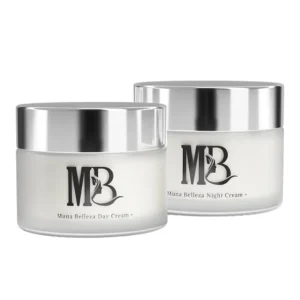 Day and Night Cream Set
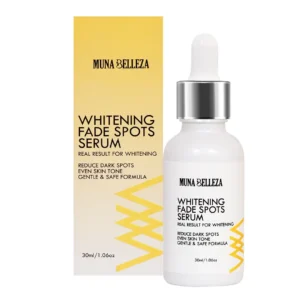 Dark Spot Correcting Serum
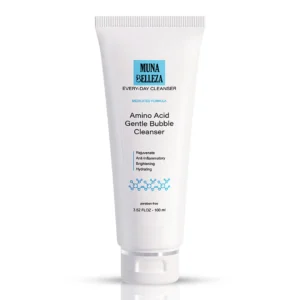 Amino Acid Gentle Bubble Cleanser
Pingback: Vitamin E for Skin: Benefits and How to Use It