 Gentle skincare for clear, even-looking skin
Vitamin E oil and skin are a good match in one way and a poor one in another. As an ingredient inside a moisturizer or serum, vitamin E is a useful antioxidant that helps dry skin feel softer. As thick, pure oil rubbed straight onto the face or onto scars, it does far less than its reputation suggests.
That gap between the ingredient and the myth is what this guide is about. Below, we cover what vitamin E does, where the evidence is strong and weak, who should avoid the pure oil, and how to use it sensibly.
Vitamin E oil and skin: what is vitamin E?
Vitamin E is a family of eight related, fat-soluble compounds. The one your body uses most, and the one found in most skincare, is alpha-tocopherol. It is the main fat-soluble antioxidant in human skin.
Your skin delivers it through its own oil. Sebum carries vitamin E to the surface, which is why oilier parts of the face tend to hold more of it. Sun exposure uses it up quickly, and levels in the skin fall with age.
On an ingredient list, look for two names. Tocopherol is the active form. Tocopheryl acetate is a more stable version that lasts longer in the jar, though skin converts only a small part of it into the active form.
What are the vitamin E benefits for skin?
The proven vitamin E benefits for skin fall into three areas.
It works as an antioxidant
Sunlight and pollution create unstable molecules called free radicals, which damage the fats in skin cells. Vitamin E neutralizes them, particularly in the oily layers of the skin where water-based antioxidants cannot reach.
It softens and conditions
Vitamin E is an emollient. In a cream, it helps smooth rough, dry skin and supports the barrier that keeps water in.
It works better with vitamin C
The two vitamins support each other. In a well-known study, a solution combining vitamins C and E with ferulic acid gave skin more protection from UV damage than the ingredients did separately. This is why you often see them in the same morning serum. It is a helpful extra under sunscreen, and never a replacement for it.
Does vitamin E oil help with scars?
This is the most common question, and the answer is disappointing: probably not. The belief that vitamin E and scars go together is everywhere, but the research does not support it.
In a frequently cited study, patients applied either a plain ointment or the same ointment with vitamin E to healing surgical scars. In about 90% of cases, the vitamin E either made no difference or made the scar look worse, and roughly a third of the patients developed an itchy rash from it. A later review of all the available trials concluded there is not enough evidence to recommend it.
What helps a new scar most is boring: keep it moist with plain petroleum jelly while it closes, protect it from the sun for months afterward, and consider silicone gel or sheets, which have much better evidence. For raised or widening scars, see a dermatologist.
Is pure vitamin E oil good for your face?
Usually not. Using pure vitamin E oil for your face has two drawbacks.
First, it is thick and sticky, and it can clog pores. If you have oily or breakout-prone skin, capsule oil is one of the more likely things to cause new spots.
Second, vitamin E is a known cause of allergic skin reactions when used at full strength. The rash in the scar study was not a one-off.
A lighter vitamin E facial oil, where a small amount of vitamin E is blended into other oils, is a different matter and is generally fine for dry skin. So is vitamin E inside a finished cream or serum, where it is present at a low, well-tolerated level.
Does vitamin E fade dark spots?
Not by itself. Vitamin E is an antioxidant, not a pigment-targeting ingredient, and there is no good evidence that it fades marks when used alone. Ingredients such as niacinamide and vitamin C have far more research behind them for uneven tone. Our guide to what vitamin C serum does explains how that one works.
Can vitamin E replace sunscreen?
No. Vitamin E absorbs a little UV light and mops up some of the damage that gets through, but the effect is small and fades quickly in sunlight. It has no SPF value worth counting. Think of it as backup for your sunscreen, working underneath it, and apply a broad-spectrum SPF 30 or higher on top every morning.
Should you break open a vitamin E capsule for your skin?
We would not. Capsules are made to be swallowed. The oil inside is highly concentrated, has not been tested for use on the face, and brings all the stickiness and allergy risk described above. A skincare product that lists tocopherol among its ingredients is a safer and more pleasant way to get the benefits of vitamin E oil for skin.
How do you use vitamin E in a routine?
Most people already do, without noticing. Vitamin E appears in a huge number of moisturizers, serums and sunscreens, partly for the skin and partly because it stops the oils in the formula from going off.
- In the morning, an antioxidant serum under sunscreen makes sense, since that is when skin faces the sun.
- At night, a moisturizer containing vitamin E helps dry skin recover.
- If you want to try a blended facial oil, press two or three drops over your moisturizer as the last step in the evening.
Vitamin E layers well with almost everything, including niacinamide, hyaluronic acid and retinol.
Who should be careful with vitamin E?
- Oily and acne-prone skin should avoid pure or heavy vitamin E oil.
- Sensitive or eczema-prone skin should patch test first, on the inner arm for 24 to 48 hours.
- Anyone who has reacted to a vitamin E product before should check labels for tocopherol.
- Do not put vitamin E oil on open wounds or fresh stitches unless your doctor has told you to.
Where does vitamin E appear in our range?
We do not sell pure vitamin E oil. Tocopherol is one of the supporting ingredients in our Dark Spot Correcting Serum, next to niacinamide and arbutin. That serum contains fragrance, so patch test it if your skin is reactive.
If you want vitamin E’s best-known partner, our Double Vitamin C Serum contains ascorbic acid and hyaluronic acid with no added fragrance. To be clear, it does not contain vitamin E. For dry skin that mainly needs comfort, our Day and Night Cream Set is the richer option.
When should you see a dermatologist?
See a dermatologist about scars that are raised, painful, itchy or still growing, about dry skin that cracks or does not improve with moisturizer, and about any rash that appears after using a new product.
Is it better to take vitamin E or apply it?
For your skin, a normal diet already covers what you need. Nuts, seeds and vegetable oils are rich in it, and deficiency is rare. High-dose supplements have not been shown to improve skin and can carry risks, so talk to a doctor before taking them. Applied in a well-made cream, vitamin E does its quiet job without any of that.
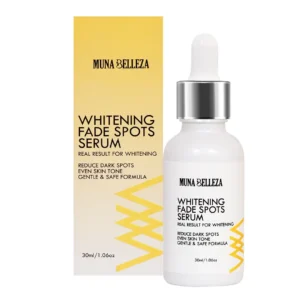 Dark Spot Correcting Serum
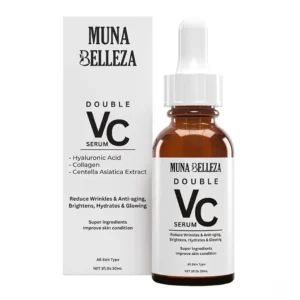 Double Vitamin C Serum
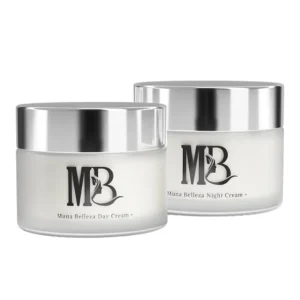 Day and Night Cream Set