 Gentle skincare for clear, even-looking skin
What does witch hazel do for your skin? It works as a mild astringent: it briefly tightens the surface, takes away excess oil and can calm minor irritation. For oily skin, that can feel fresh and useful. For dry or sensitive skin, especially in the alcohol-based toners that fill drugstore shelves, it can do more harm than good.
So witch hazel is neither the cure-all its fans describe nor the villain its critics make it out to be. Which one you get depends on the type of product and on your skin. Here is how to tell the difference.
What is witch hazel, and what does witch hazel do for your skin?
Witch hazel is a shrub native to North America. Its bark, twigs and leaves have been used on the skin for centuries, and its Latin name, Hamamelis virginiana, is what you will see on ingredient lists.
The plant is rich in tannins, natural compounds that make proteins in the skin’s surface contract slightly. That is the tightening, astringent feeling. It also contains antioxidants.
Why does the type of witch hazel matter?
Because the bottle in the drugstore and the extract in a serum are not the same thing.
- Distilled witch hazel is made by steaming the plant. The classic version contains about 14% alcohol, and distilling leaves most of the tannins behind.
- Witch hazel extract, usually listed as bark or leaf extract, keeps more of the tannins and antioxidants.
- Alcohol-free witch hazel water is a distillate without the added alcohol. It is the gentlest of the three.
Much of the drying that people blame on witch hazel comes from the alcohol, not the plant.
What does witch hazel do for your face?
On the face, it does three things reasonably well.
It cuts shine
Witch hazel lifts surface oil and leaves skin feeling matte. The effect is temporary. It does not change how much oil your glands make.
It makes pores look tighter for a while
The astringent effect can make pores look a little smaller for an hour or two. Pore size itself does not change.
It can calm minor irritation
Laboratory and small human studies suggest witch hazel extract has anti-inflammatory and antioxidant activity. This is why it is used after shaving and on insect bites. The US Food and Drug Administration recognizes witch hazel as an over-the-counter astringent for relieving minor skin irritation.
Those are the realistic benefits of witch hazel on your face. Claims beyond them, such as erasing wrinkles or shrinking pores for good, are not supported.
Is witch hazel good for acne?
It may help a little, and it is not a treatment. The interest in witch hazel for acne comes from its oil-reducing and calming effects, and oily, breakout-prone skin often enjoys it. But there are no solid clinical trials showing that witch hazel alone clears acne.
Proven acne ingredients such as salicylic acid, benzoyl peroxide and retinoids have far more evidence. If you like witch hazel, think of it as a supporting player in a routine built around one of those. We explain the first of them in what salicylic acid does for skin.
Does witch hazel dry out or damage your skin?
The alcohol-based kind can, with regular use. Alcohol strips the oils that hold the skin barrier together. Skin then loses water faster, feels tight and can become red and flaky. Some people find their face ends up oilier, as the surface dries and they reach for the toner more often.
If your toner stings, that is not a sign it is working. It is a sign your skin is irritated. Alcohol-free formulas are much kinder, and most people who say witch hazel does not suit them have only tried the alcohol version.
Does witch hazel close your pores?
No. Pores cannot open or close, because they have no muscle. Witch hazel tightens the skin around them for a short time and clears away oil, so they look smaller. An hour or two later, they look the way they did before. It is a cosmetic effect, pleasant but brief.
Who should use witch hazel, and who should skip it?
Using witch hazel for your face makes the most sense if your skin is oily or combination, particularly in hot, humid weather or after exercise. On those skin types, a gentle formula can take the edge off midday shine without causing problems.
People with dry skin, sensitive skin, eczema or rosacea should generally skip it, or at least avoid any version with alcohol or fragrance. Tannins themselves can be irritating on a damaged skin barrier.
Whatever your skin type, patch test a new product on your inner arm or along your jaw for a day or two first. Allergy to witch hazel is uncommon but possible.
How do you use witch hazel for skin?
If you want to try witch hazel for skin that runs oily, this is the gentle way.
- Choose an alcohol-free product without added fragrance.
- After cleansing, put a little on a cotton pad or in your palms.
- Press it over the oily areas only, usually the forehead, nose and chin. Keep it away from your eyes.
- Follow with a moisturizer, and sunscreen in the morning.
Once a day is plenty, and a few times a week is enough for many people. If skin starts to feel tight or flaky, cut back.
What are the other uses of witch hazel?
The traditional uses of witch hazel go beyond toner. A splash of the alcohol-free kind can cool razor redness. Dabbed on an insect bite, it can ease itching for a while. A chilled pad on closed eyelids feels soothing on puffy mornings, although most of that comes from the cold. Keep the liquid out of your eyes, and do not use it on broken skin.
Is witch hazel better than a regular toner?
Not necessarily. Modern toners are often built around hydrating ingredients such as glycerin, or around proven actives such as salicylic acid or niacinamide. Those do more for most skin than an astringent does. Witch hazel is a reasonable choice if you enjoy how it feels, but nobody needs it, and skipping toner altogether is fine too.
Where does witch hazel appear in our range?
We do not make a witch hazel toner, and none of our products is built around it. It appears as a supporting ingredient in two.
Our Salicylic Acid Face Mask is a single-use sheet mask with 2% salicylic acid, glycolic acid and witch hazel water, made for oily and clog-prone skin once or twice a week. It contains fragrance and two acids, so it is not for sensitive or irritated skin.
Our Double Vitamin C Serum lists witch hazel bark and leaf extract among its ingredients, alongside vitamin C and hyaluronic acid, with no added fragrance. If shine is your main concern, you can see what else we make for oily skin.
When should you see a dermatologist?
If you have painful or widespread acne, redness that does not settle, or skin that stings with most products, skip the experiments and see a dermatologist. Those are signs that your skin needs a proper plan, not a stronger toner.
Can you use witch hazel every day?
An alcohol-free version, yes, if your skin is oily and stays comfortable. An alcohol-based one is better kept for occasional use, such as after a workout. If you are using retinoids or exfoliating acids, be careful about adding it at all, because together they can be too much.
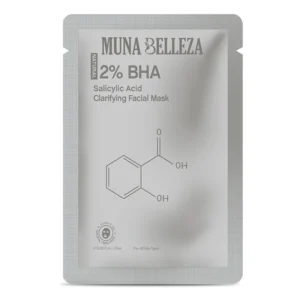 Salicylic Acid Face Mask
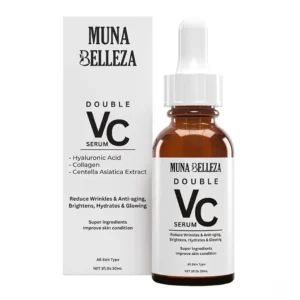 Double Vitamin C Serum
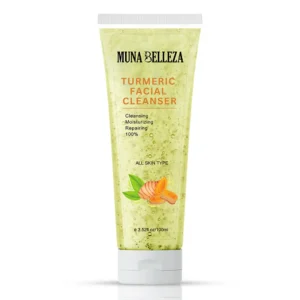 Turmeric Face Wash