 Gentle skincare for clear, even-looking skin
The main aloe vera benefits for skin are soothing and light hydration. The clear gel inside the leaf is mostly water, with sugars and plant compounds that cool the skin, calm redness and leave it feeling comfortable. It is a good, gentle helper, especially after too much sun.
It is not a cure for everything, whatever the internet says. Aloe will not erase wrinkles, fade scars or stand in for sunscreen, and a few people react to it. Below, we separate what is proven from what is hopeful, and explain how to use it well.
What is aloe vera, and where do the aloe vera benefits for skin come from?
Aloe vera is a succulent plant with thick, fleshy leaves. Inside each leaf are two very different substances.
The gel is the clear, jelly-like center. It is about 99% water. The remaining 1% includes long-chain sugars that hold moisture, plus small amounts of vitamins, minerals and plant compounds. This is the part used in skincare.
The latex is a thin, yellow layer just under the leaf’s skin. It contains compounds that can irritate the skin, and it is the reason raw leaves should be cut and rinsed with care.
What does aloe vera do to the skin?
Here is what aloe vera does to the skin, based on the research so far.
It cools and soothes
Aloe gel feels cool on contact and takes the edge off heat and stinging. In a small study, an aloe gel reduced the redness caused by UV light two days after exposure, which fits with its long use on sun-stressed skin.
It hydrates lightly
The sugars in the gel hold water at the surface, so skin feels softer for a while. Aloe contains no oil, so it hydrates without heaviness. On its own, though, it is too light to replace a moisturizer for dry skin.
It may help minor burns recover
A review of four small trials found that minor burns treated with aloe closed several days sooner than those given standard care. The studies were small and varied in quality, so this is promising, not proven. It applies only to mild, superficial burns.
It may support acne care
The US National Center for Complementary and Integrative Health notes some evidence that aloe gel can help acne when it is used together with a prescription retinoid. Alone, it is not an acne treatment.
Does aloe vera protect you from the sun?
No. This is the myth most worth correcting. Aloe has no meaningful SPF. In one study, an aloe cream neither stopped sunburn from developing nor made it fade faster than a plain cream did.
Aloe can make sunburned skin feel better, and that is worth something. Preventing the burn is a job for sunscreen, shade and clothing.
Does aloe vera fade dark spots or scars?
There is no good evidence that it does. You will find plenty of claims that a compound in aloe fades pigmentation, but they rest on laboratory work, not on trials in people. Aloe will not remove a scar either. If uneven tone is your concern, ingredients such as niacinamide and vitamin C have far better support.
What are the aloe vera uses for your face?
The sensible aloe vera uses for your face are the ones that play to its strengths.
- After sun, to cool skin that feels hot and tight.
- After shaving, to calm razor redness.
- As a light hydrating layer under moisturizer, especially for oily skin or in hot weather.
- As a short, cooling mask when skin feels irritated or overheated.
It is less useful as your only moisturizer, as an anti-aging product or as a treatment for any skin condition.
How to use aloe vera on your face?
If you are wondering how to use aloe vera on your face, a simple routine works best.
- Patch test first. Put a little on your inner arm or jawline and wait 24 hours.
- Cleanse, and leave your skin slightly damp.
- Smooth on a thin layer of gel. A coin-sized amount covers the whole face.
- Let it settle for a minute, then apply moisturizer to seal the water in.
- In the morning, finish with sunscreen.
Once or twice a day is fine. Keeping the tube in the fridge adds to the cooling effect.
Fresh leaf or bottled gel?
A bottled gel is usually the better choice. Fresh gel spoils within days, and it can carry traces of the irritating yellow latex unless the leaf is trimmed and rinsed properly. A finished product is stable and consistent.
Read the label, though. Some products sold as aloe gel contain little aloe and a lot of alcohol, color and fragrance. Aloe should be near the top of the ingredient list, and alcohol should not be.
Is aloe vera good for oily or acne-prone skin?
It is a comfortable fit. Aloe gel is oil-free and light, so it adds a little hydration without the weight that oily skin dislikes. Many people with breakouts like it as a calming layer between a drying acne product and a light moisturizer. Just remember that soothing a breakout is not the same as clearing it, and keep your proven acne products in the routine.
Does aloe vera help with wrinkles?
Only in the way any hydrator does. Skin that holds more water looks smoother for a few hours, so fine dry lines soften. Aloe has not been shown to change deeper lines, and daily sunscreen will do far more for those.
Can you leave aloe vera on your face overnight?
Yes, if your skin likes it. A thin layer under your night cream is fine. Used alone overnight, pure gel can leave some people feeling tight by morning, because it dries to a film and has no oils to hold moisture in. If that happens, put a moisturizer over it.
Who should be careful with aloe vera?
Most people tolerate aloe well, but allergy does occur. You are more likely to react if you are allergic to plants in the same family, which includes garlic, onions and tulips. Stop if you notice itching, a rash or burning.
Do not put aloe on deep or open wounds or on serious burns. A burn that blisters over a large area, looks white or charred, or covers the face or hands needs medical care, not a houseplant.
Aloe taken by mouth is a separate matter with its own safety concerns. This guide is only about use on the skin.
Which of our products contain aloe?
Several do, and you can see them all on our aloe vera page. These three use it in different ways.
Our Aloe Vera Face Mask Sheet is a 15-minute hydrating mask with aloe, glycerin, beta-glucan, centella and panthenol, and no exfoliating acids. It contains fragrance, so patch test first if your skin is reactive.
The Turmeric Face Wash is a sulfate-free cleanser for oily and combination skin that includes aloe and sodium hyaluronate, so it cleans without leaving skin tight.
In the Day and Night Cream Set, the day cream contains aloe extract with niacinamide and shea. If your skin reacts easily, start with our picks for sensitive skin.
When should you see a doctor?
See a doctor for sunburn with blistering, fever, chills or dizziness, for any burn larger than the palm of your hand, and for a rash that spreads or does not settle within a few days. Redness or irritation that keeps returning deserves a dermatologist’s opinion.
Is aloe vera good to use every day?
For most people, yes. It is gentle, light and easy to fit under a moisturizer. Just keep your expectations where the evidence is: soothing and hydration.
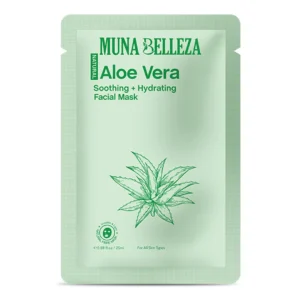 Aloe Vera Face Mask Sheet
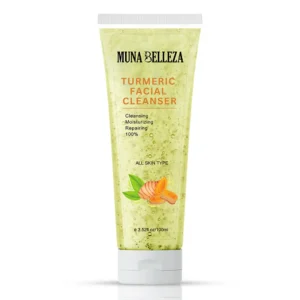 Turmeric Face Wash
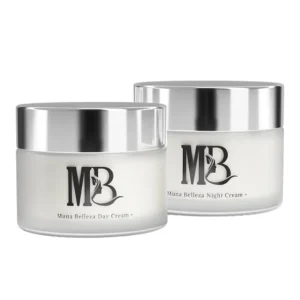 Day and Night Cream Set
Pingback: Sheet Mask Benefits, Side Effects and How Often to Use