 Gentle skincare for clear, even-looking skin
Panthenol for skin is a hydrating, calming ingredient. Also called pro-vitamin B5, it draws water into the outer layer of the skin, helps the skin barrier hold on to that water, and takes the edge off irritation. It is gentle enough for babies, which is why it is so common in products for sensitive skin.
It is not a headline ingredient, and it will not change wrinkles or dark spots. What it does is make skin more comfortable and make stronger products easier to tolerate. Here is how it works and where it fits in a routine.
Panthenol for skin: what is it?
Panthenol is the alcohol form of pantothenic acid, better known as vitamin B5. When it is applied to the skin, it is absorbed and converted into the vitamin itself, which skin cells use in making the fats that form the barrier.
On an ingredient list, you may see panthenol, D-panthenol, dexpanthenol or pro-vitamin B5. They refer to the same family. Dexpanthenol is the form the skin can use, and it has been in skincare and pharmacy creams for more than 70 years.
The word “alcohol” in the chemistry should not worry you. Panthenol is not a drying alcohol like the kind in some toners. It behaves in the opposite way.
What does panthenol do for skin?
It hydrates
Panthenol is a humectant, so it attracts water and holds it in the outer layer of the skin. Skin feels softer and more flexible.
It supports the skin barrier
This is where panthenol stands out. In one study, skin treated with dexpanthenol for seven days held more water and lost less of it through the surface than untreated skin. A later study found that formulas with 1% and 5% panthenol reduced water loss through the skin after 30 days of use. A stronger barrier means skin that is less easily irritated.
It calms
Reviews of the research describe panthenol as reducing redness, itching and the rough feeling of irritated skin. It has been used on skin stressed by detergents, shaving, sun and cosmetic procedures.
It helps skin recover
Pharmacy ointments with 5% dexpanthenol are widely used on chapped skin, minor scrapes and new tattoos, because they keep the area moist and comfortable while it repairs itself. Cosmetic products contain less and are meant for everyday comfort, not for wounds.
Is panthenol good for sensitive skin?
Yes. It is one of the most reliable choices for skin that reacts easily. It has a long safety record, it is used in baby products, and it rarely causes problems.
It is particularly helpful when your barrier is under strain: in winter, after too much exfoliating, while starting a retinoid, or when using drying acne products. In those situations, a panthenol-rich moisturizer often makes the difference between skin that copes and skin that stings.
Does panthenol clog pores?
No. Panthenol is water-soluble and light, and it is not known to block pores. It suits oily and acne-prone skin well, especially when acne products have left the surface dry and tight. If a panthenol product feels heavy, the oils or butters around it are the reason, not the panthenol.
Is panthenol the same as vitamin B5 supplements?
No, and this is a common misunderstanding. Panthenol on the skin acts in the skin. Taking vitamin B5 tablets is a different thing, and claims that high doses clear acne or improve skin are not well supported. Most people get all the vitamin B5 they need from food. For your face, the cream is the better route.
Is panthenol better than hyaluronic acid or glycerin?
It is different, not better. All three are humectants, but panthenol adds something the other two do not: it is converted into a vitamin that the skin uses to build its barrier, and it has a calming effect.
In practice, they work best together, and many good moisturizers contain all three. If your skin is simply thirsty, any of them will help. If it is also irritated or easily upset, panthenol earns its place. We cover the other two in glycerin for skin and hyaluronic acid for skin.
How do you use panthenol in a routine?
It is one of the easiest ingredients to use.
- Cleanse gently. A harsh cleanser undoes much of the barrier support panthenol gives.
- Apply any treatment product first, such as a serum for dark spots, a retinoid or an acid.
- Follow with your panthenol product while the skin is still slightly damp.
- If that product is light, such as a serum or essence, seal it with a moisturizer.
- In the morning, finish with sunscreen. Panthenol gives no sun protection.
You can use it morning and night. It mixes safely with everything, including vitamin C, niacinamide, retinol and exfoliating acids. There are no combinations to avoid.
Is panthenol good for your lips and the eye area?
Yes. Both areas have thin skin that dries out quickly and reacts to harsher ingredients. Panthenol is mild enough for them, which is why it turns up in so many lip balms and eye creams. As always around the eyes, use a product made for that area and keep it out of the eye itself.
Does panthenol help after sun or shaving?
It can make skin feel better. Its calming, water-holding effect suits skin that is hot, tight or razor-stressed. It does not undo sun damage, so think of it as comfort afterward, with sunscreen still doing the protecting beforehand.
How much panthenol do you need?
Studies have generally used between 1% and 5%. Pharmacy ointments for very dry or damaged skin tend to sit at the top of that range. Everyday face products usually contain less, and brands rarely state the exact figure.
As a rough guide, the higher panthenol sits on the ingredient list, the more of it there is. Even small amounts add comfort when they are combined with other hydrating ingredients.
How long does panthenol take to work?
Softness is immediate. The barrier benefits build over one to four weeks of regular use, in line with the studies above. If your skin has been irritated for a while, give it a full month of gentle care before judging.
Who should be careful with panthenol?
Very few people. Allergy to panthenol exists but is uncommon. If a product with it causes redness or itching, stop using it and check whether another ingredient, such as fragrance, is the more likely cause. It is considered safe during pregnancy and for children.
Which of our products contain panthenol?
Quite a few, and the full list is on our panthenol page. These are the ones where it fits best.
Our Day and Night Cream Set contains panthenol in both jars, together with niacinamide. The day cream is a soft shea-based moisturizer, and the night cream adds arbutin and hyaluronic acid. The night cream contains fragrance.
The Aloe Vera Face Mask Sheet combines panthenol with glycerin, beta-glucan, centella and aloe in a 15-minute mask for skin that feels tight. It contains fragrance.
The Dark Spot Correcting Serum includes panthenol as a supporting ingredient next to niacinamide and arbutin. It also contains fragrance, so patch test first. If your skin is easily upset, our picks for sensitive skin are the place to begin.
When should you see a dermatologist?
See a dermatologist if redness, itching or dryness lasts more than a few weeks, if skin cracks or weeps, or if most products sting when you apply them. Those can be signs of eczema, rosacea or contact allergy, which need a diagnosis.
Can you use panthenol every day?
Yes. Daily use, morning and night, is both safe and the way to get the barrier benefits.
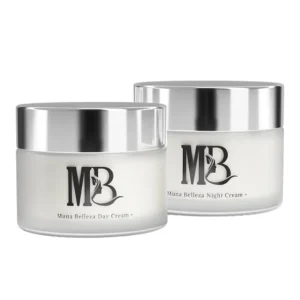 Day and Night Cream Set
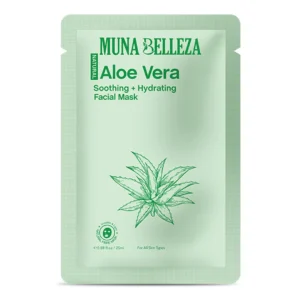 Aloe Vera Face Mask Sheet
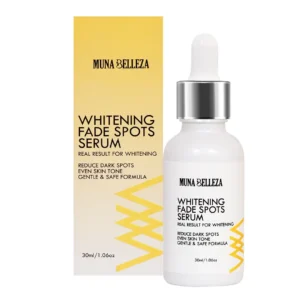 Dark Spot Correcting Serum