 Gentle skincare for clear, even-looking skin
Glycerin for skin does one job, and does it very well: it draws water into the outer layer of the skin and helps keep it there. That makes skin feel softer and look smoother, and it supports the barrier that protects against dryness and irritation.
It is also one of the cheapest, gentlest and best-studied ingredients in skincare, which is why you will find it in most moisturizers, cleansers and serums. It rarely gets top billing on the label, but it does a large share of the work. Here is how it works and how to get the most from it.
What is glycerin?
Glycerin, also called glycerol, is a clear, thick, slightly sweet liquid. In skincare, it usually comes from plant oils such as soy, coconut or palm, and it can also be made synthetically. The source makes no difference to how it behaves on the skin.
It belongs to a group of ingredients called humectants. A humectant attracts water and holds on to it. Your skin already contains glycerin as part of its own natural moisturizing system, so adding more is working with the skin, not against it.
How does glycerin work on skin?
Think of the outer layer of your skin as a brick wall. The skin cells are the bricks, and natural fats are the mortar. When that layer holds enough water, the wall is flexible and smooth. When it dries out, it becomes stiff, rough and leaky.
Glycerin is a small molecule, so it moves into that outer layer easily. Once there, it pulls water toward itself, mainly from the deeper layers of the skin and partly from the air when the air is humid.
It does more than hold water. Research shows that glycerin helps the outer layer mature and shed normally, keeps the fats between skin cells in a healthy, flexible state, and speeds up the recovery of a damaged barrier. A major review of the research described its effects on the skin as going well beyond simple hydration.
What are the benefits of glycerin for skin?
- It hydrates. This is its main job, and studies consistently show increased water content in the skin’s surface.
- It supports the barrier. Skin that holds water well is better at keeping irritants out.
- It smooths. Well-hydrated skin reflects light more evenly and feels less rough, and fine dry lines look softer.
- It protects against irritation. Glycerin has been shown to reduce the irritating effect of soaps and detergents, which is why it is in so many cleansers.
- It suits nearly everyone. It does not clog pores, and it is a standard ingredient in products for babies and for sensitive skin.
Is glycerin better than hyaluronic acid?
Neither is better. They are both humectants and they work well together, but they behave a little differently.
Hyaluronic acid is a large molecule that holds a lot of water at the surface, giving a quick, plump feel. Glycerin is much smaller, reaches a little deeper into the outer layer and tends to keep skin hydrated for longer. It is also far cheaper, so products can use more of it.
In studies comparing moisturizing ingredients, glycerin regularly performs as well as or better than more fashionable options. If a product has glycerin near the top of its ingredient list, it has a solid base, with or without hyaluronic acid. We cover the other half of the pair in hyaluronic acid for skin.
Can you put pure glycerin on your face?
It is better not to. Undiluted glycerin is thick and sticky, and at full strength it can pull so much water toward itself that the surface of the skin ends up feeling drier, especially in dry air. It can also sting.
Finished products use glycerin at sensible levels, typically somewhere between 2% and 10%, and combine it with oils and other ingredients that stop the water from escaping. That is a much better way to use glycerin on skin than a bottle from the baking aisle.
Does glycerin clog pores or cause breakouts?
No. Glycerin is water-soluble and is not an oil, and it is considered non-clogging. It is a good way to hydrate oily and breakout-prone skin without adding grease. If a glycerin-rich product does break you out, another ingredient in the formula is the more likely cause.
Can glycerin dry your skin out?
In a well-made product, no. The worry comes from the idea that in very dry air, a humectant has no moisture to draw from outside and takes it from deeper in the skin instead. That water can then evaporate.
The fix is simple and already built into most moisturizers: something on top that slows evaporation. If you live in a dry climate, spend your days in air conditioning or heating, or use a light glycerin serum, follow it with a cream. Applying it to slightly damp skin helps too.
How do you use glycerin in a routine?
You are almost certainly using it already. To make the most of it:
- Check the ingredient list. Glycerin in the first five or so ingredients means there is a meaningful amount.
- Apply hydrating products to slightly damp skin, straight after cleansing.
- Seal with a moisturizer, particularly at night and in winter.
- Use it morning and night. There is no need to limit it, and it works with every other ingredient, including retinoids, vitamin C and exfoliating acids.
Glycerin is especially helpful alongside ingredients that can dry the skin. If you use an acne product or a retinoid, a glycerin-rich moisturizer makes the routine much easier to live with.
Does glycerin help with fine lines?
It helps with the kind caused by dryness. When the surface of the skin is short of water, small creases show up more, especially around the eyes and mouth. Hydrating the skin plumps the surface, so those lines look softer within minutes. Glycerin does not change deeper wrinkles, which come from sun exposure and time.
Who should be careful with glycerin?
Hardly anyone. Reactions to glycerin are rare, and it is safe to use during pregnancy and on children. If you have very sensitive skin, patch test any new product, since the other ingredients are more likely to cause trouble than the glycerin itself.
Which of our products contain glycerin?
Most of them. In these three, it is among the first three ingredients.
Our Aloe Vera Face Mask Sheet lists glycerin second, straight after water, with beta-glucan, centella, sodium hyaluronate and aloe. It is a 15-minute mask for skin that feels tight, with no exfoliating acids. It contains fragrance, so test it first if your skin is reactive.
The Amino Acid Gentle Bubble Cleanser also lists glycerin second, which is why skin does not feel stripped after washing. It is fragrance-free.
In the Double Vitamin C Serum, glycerin is third, working with hyaluronic acid and betaine. It has no added fragrance or oils. If dryness is your main concern, you can browse everything we make for dry skin.
When should you see a dermatologist?
See a dermatologist if your skin stays dry, cracked or itchy despite regular moisturizing, or if you have red, scaly patches. Persistent dryness can be a sign of eczema or another condition that needs more than a good humectant.
Is glycerin safe to use every day?
Yes. It is one of the safest ingredients in skincare, with decades of use behind it, and daily use is exactly how it works best.
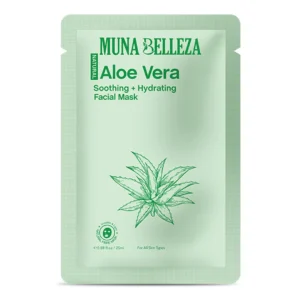 Aloe Vera Face Mask Sheet
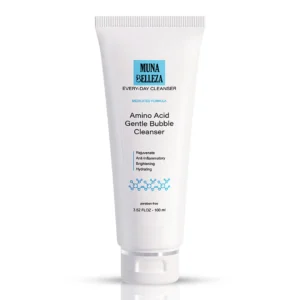 Amino Acid Gentle Bubble Cleanser
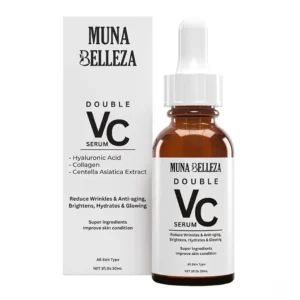 Double Vitamin C Serum
Pingback: Hyaluronic Acid for Skin: Benefits and Common Mistakes
Pingback: Panthenol for Skin: What Pro-Vitamin B5 Does
Pingback: Niacinamide for Skin: Benefits, Uses and Side Effects
Pingback: Dry, Patchy Skin on Your Face: Causes and Care
Pingback: How to Fix Dry Skin on Your Face Overnight