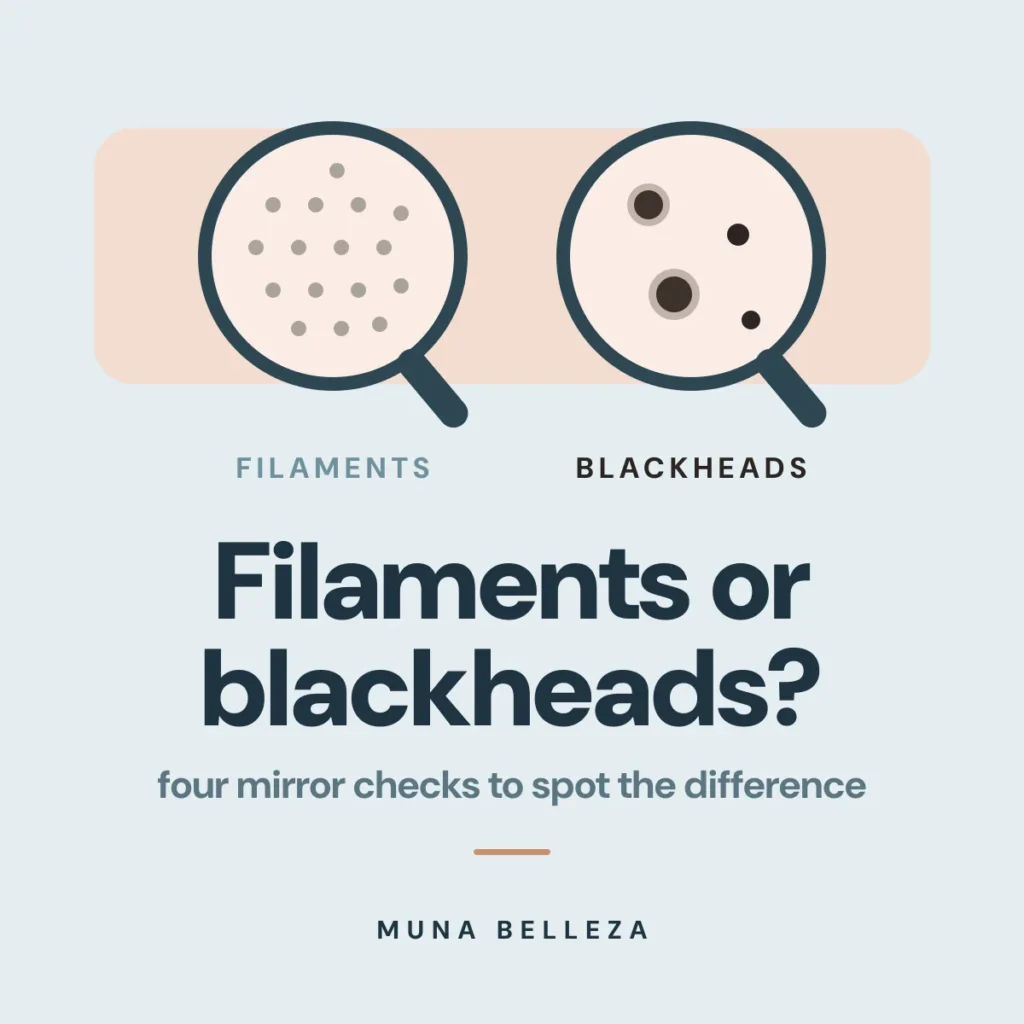
 Gentle skincare for clear, even-looking skin
Adult acne surprises people. Most of us were told that breakouts end with the teenage years, so a cluster of spots at 28, 35 or 47 can feel like something has gone wrong. It has not. Acne in adults is common, well understood and very treatable.
It does behave differently from teenage acne, though, and the products that worked at 16 are often too harsh for adult skin. This guide explains why breakouts start or return after your teens, how long they tend to last and how to adjust your care for the skin you have now.
How common is adult acne?
More common than most people assume. In a survey of over 1,000 adults published in the Journal of the American Academy of Dermatology, about half of women and four in ten men in their twenties reported acne. In their thirties, the figures were roughly 35 percent of women and 20 percent of men, and in their forties about 26 percent of women and 12 percent of men.
Dermatologists describe two patterns. Persistent acne continues from the teenage years without a real break. Adult-onset acne appears for the first time after 25, sometimes in people who had clear skin as teenagers. Both are more frequent in women.
Why does acne happen after your teens?
The basic process is the same at any age: extra oil, a blocked pore, bacteria and inflammation. What changes in adults are the triggers.
Hormonal shifts
Hormones are the leading cause. Androgens stimulate oil glands, and many women break out when the balance shifts:
- In the week before a period
- During pregnancy and after giving birth
- After starting or stopping hormonal contraception
- In perimenopause and menopause, when estrogen falls
Hormonal breakouts tend to be deep and tender, and they favor the lower face. We look at that pattern in chin and jawline acne.
Stress
Under stress the body releases more androgens and cortisol, both of which can increase oil and inflammation. Researchers have found that stress makes existing acne worse, which is why flares so often coincide with demanding periods at work or at home.
Family history
If a parent or sibling had acne as an adult, you are more likely to as well.
Skincare, makeup and hair products
Rich creams, oils and heavy foundations can clog pores. Adults often use more products than teenagers, including anti-aging creams that are too heavy for acne-prone skin.
Medicines
Some medicines list acne as a side effect, including certain steroids, lithium and some hormonal treatments. Never stop a prescribed medicine on your own. Ask your doctor if there is an alternative.
Underlying conditions
Polycystic ovary syndrome is the most common medical cause in women. Other signs tend to travel with it: cycles that are irregular, coarse hair growing on the chin or body, or scalp hair getting thinner.
Lifestyle factors
Diets high in sugar and refined carbohydrates are linked to more acne in several studies, and some research points to skim milk. Smoking, short sleep and friction from masks or helmets can add to the problem.
How is it different from teenage acne?
- Location. Teenage acne spreads across the forehead, nose and cheeks. In adults it concentrates on the chin, jaw and around the mouth.
- Type. Adults get fewer blackheads and more deep, inflamed spots.
- Skin condition. Adult skin is drier, slower to recover and more easily irritated, so strong drying products backfire.
- Marks. Dark marks and redness linger longer with age.
- Other goals. Many adults are caring for fine lines or uneven tone at the same moment, so the routine has to do more than one job.
How long does acne last?
There are two answers to how long does acne last, depending on what you mean.
A single pimple usually lasts three to seven days. Deep nodules and cysts can take two to four weeks.
Acne as a condition is long-term. Without treatment it tends to come and go for years. With the right treatment, most people see clear improvement in two to three months, although ongoing care is usually needed to keep skin clear. Stopping everything as soon as skin improves is the most common reason it returns.
Does acne go away with age?
For most people, yes, eventually. Does acne go away with age for everyone? No, and not on a fixed timetable. Oil production declines gradually through adulthood, and breakouts become less frequent in each decade.
The figures above show the trend clearly: acne is reported by about half of people in their twenties and by a much smaller share in their forties and fifties. Some women have a late flare around menopause, when hormone levels shift again, before skin settles.
When does acne stop?
People asking when does acne stop, or what age does acne go away, are usually hoping for a number. There is not a single one. For many it eases in the mid-twenties. For a large minority it continues into the thirties and forties, and a small group still has breakouts in their fifties.
Waiting it out is rarely the best plan. Untreated acne can leave scars and dark marks that last far longer than the spots themselves, and effective treatment exists at every age.
How should adults care for acne-prone skin?
The guiding idea is to clear pores without drying or irritating the skin. The outline is below, and the full step-by-step version is in our skincare routine for acne-prone skin.
Cleanse gently
Wash twice a day with a mild, non-stripping cleanser. Our Amino Acid Gentle Bubble Cleanser is fragrance-free and suits skin that is breakout-prone and easily dried out.
Choose one proven active
- A retinoid, such as adapalene, is the best all-round choice for adults, because it helps unclog pores and also improves fine lines and uneven tone. It should not be used in pregnancy.
- Salicylic acid keeps pores clear. See salicylic acid for skin.
- Benzoyl peroxide at 2.5 percent calms inflamed spots with less dryness than stronger versions.
- Azelaic acid helps with spots, redness and dark marks, and it can be used in pregnancy on a doctor’s advice.
Start with one, a few nights a week, and build up.
Moisturize, always
Adult skin needs it. Look for a light, non-comedogenic moisturizer with humectants. Niacinamide is a good ingredient for this skin type, as we explain in niacinamide for skin.
Wear sunscreen
It prevents marks from darkening and protects skin that retinoids and acids have made more sensitive. Sunscreen is the one step we cannot supply ourselves.
Check your products
Look for the words non-comedogenic or oil-free on makeup, sunscreen and hair products.
Add a weekly treatment
Our Salicylic Acid Face Mask contains 2 percent salicylic acid for a once-weekly pore treatment. It is scented, and it is not suitable for anyone allergic to aspirin or for use in pregnancy without medical advice.
Can you care for breakouts and aging skin together?
Yes, and several ingredients do both. Retinoids, niacinamide, azelaic acid and vitamin C all help with breakouts or the marks they leave while also supporting smoother, more even skin. Our Double Vitamin C Serum is oil-free with no added fragrance, which makes it an easy morning step for acne-prone skin.
What to avoid is piling rich anti-aging creams over acne products. Keep textures light, and introduce one new product at a time.
What treatments can a dermatologist offer?
- Prescription retinoids
- Hormonal treatments for women, including certain contraceptive pills and spironolactone
- Topical or short-term oral antibiotics, used with other treatments
- Isotretinoin, reserved for acne that is severe or leaving scars
- Chemical peels, light therapy and injections for individual cysts
Often two or more are combined. With a dermatologist’s help, nearly every case of acne can be brought under control.
Is it time to get medical help?
Book a visit when spots are deep or painful, when they are scarring, when three months of pharmacy products have changed little or when acne arrived suddenly alongside other changes in your body. You do not need to wait until it is severe. Our acne-prone skin picks are a good place to find gentle basics in the meantime.
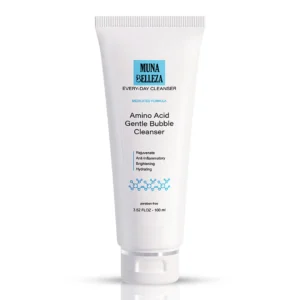 Amino Acid Gentle Bubble Cleanser
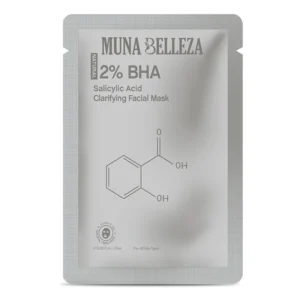 Salicylic Acid Face Mask
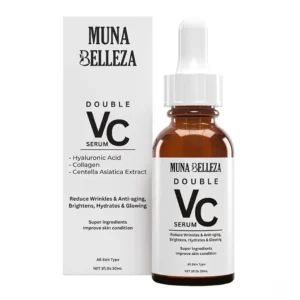 Double Vitamin C Serum