 Gentle skincare for clear, even-looking skin
A good facial care routine for acne is surprisingly small. Three steps in the morning and three at night are enough for most people, and adding more usually makes things worse. Skin that breaks out easily is also skin that irritates easily, and irritation is one of the things that keeps breakouts going.
This guide sets out a short morning and night routine, explains what each step is for, shows how to choose and introduce the one active ingredient that matters and lists what you can safely leave out.
What makes skin acne-prone?
Acne-prone skin is skin whose pores clog and inflame more readily than average. It is usually a mix of things you inherit: more active oil glands, skin cells that shed in a sticky way inside the pore and a stronger inflammatory reaction to the bacteria that live there.
It is not a hygiene problem, and it is not limited to oily skin. Dry and sensitive skin can be acne-prone too. What it needs is consistency: the same gentle steps every day, because the routine works by preventing the next breakout, not by chasing the current one.
Why does a simple facial care routine for acne work better?
There are three reasons.
- Less irritation. Every extra product is another chance for stinging, dryness or clogged pores.
- You can tell what is working. With five new products, you cannot know which one helped or which one caused a flare.
- You will keep it up. A routine that takes three minutes is one you will still be following in two months, which is how long results take.
Dermatologists often point out that a basic routine needs only three things: a gentle cleanser, a non-comedogenic moisturizer and sunscreen. A single acne treatment is added on top.
What is the morning routine?
1. Cleanse
Wash with a gentle, non-abrasive cleanser and lukewarm water. Use your fingertips. Washcloths, sponges and brushes irritate the skin. Our Amino Acid Gentle Bubble Cleanser fits this step: no scent, soft foam, fine for morning and night.
2. Moisturize
Apply a light moisturizer labeled non-comedogenic or oil-free. Acne treatments are drying, and a moisturizer is what lets your skin tolerate them. Gels and lotions with glycerin, hyaluronic acid or niacinamide suit most people.
3. Protect
Finish with a broad-spectrum sunscreen of SPF 30 or higher, also non-comedogenic. It protects skin made more sensitive by acne treatments and keeps the marks left by spots from darkening. We do not make a sunscreen.
If you use benzoyl peroxide, the morning is a good time for it, after cleansing and before moisturizer.
What is the night routine?
1. Cleanse
Remove makeup and sunscreen, then wash as you did in the morning. Never sleep in makeup. Also wash after heavy sweating, since sweat left on the skin can make acne worse.
2. Treat
Apply your one active ingredient in a thin layer over the whole area where you break out, and not just on the spots you can see. This is the step that prevents new pimples.
3. Moisturize
Follow with your moisturizer. If your skin is easily irritated, apply moisturizer first, wait a few minutes and then apply the active. This buffering makes it gentler without stopping it from working.
Which active ingredient should you choose?
Three ingredients have the strongest evidence and are sold without a prescription. Pick according to what your breakouts look like. Our guide to the different types of pimples helps you identify them.
- Adapalene, a retinoid, unclogs pores and reduces oiliness. It is the best all-round choice for blackheads, whiteheads and mild inflamed spots. Use it at night. It is not for use in pregnancy.
- Benzoyl peroxide reduces acne bacteria, so it suits red, inflamed spots. A 2.5 percent product is gentler than stronger ones and works about as well.
- Salicylic acid unclogs pores and eases inflammation. It is a good option for blackheads and for skin that cannot tolerate the other two. Read more in salicylic acid for skin.
Azelaic acid is a fourth option, useful for sensitive skin and for dark marks.
How do you introduce it without irritation?
- Start with one active only.
- Use it every third night for two weeks, then every second night, then nightly if your skin is comfortable.
- Use a pea-sized amount for the whole face.
- Expect some dryness at first. Moisturize more, and do not add other actives to compensate.
- Give it at least four weeks before deciding, and eight to twelve for the full result.
If your acne has improved but not cleared after that, a second active that works differently can be added, for example benzoyl peroxide in the morning and adapalene at night.
Is it a purge or a bad reaction?
Retinoids and acids can bring existing clogs to the surface in the first few weeks, so you may see more small spots in your usual breakout areas. This usually settles within four to six weeks. A reaction is different: burning, itching, swelling, a rash or breakouts in places you never get them. If that happens, stop the product.
How should you adapt it for dry, acne-prone skin?
Dry, acne-prone skin needs the same steps with more cushioning.
- Use a cream cleanser or a very mild low-foam one, and consider rinsing with water only in the morning.
- Choose a slightly richer non-comedogenic moisturizer, and apply it to damp skin.
- Buffer your active with moisturizer, and stay at every second or third night if that is what your skin tolerates.
- Prefer adapalene or azelaic acid over high-strength benzoyl peroxide, and keep salicylic acid at 0.5 to 1 percent.
- Add a weekly hydrating mask.
Our Day and Night Cream Set gives you niacinamide and panthenol morning and evening. Drier skin tends to like the shea butter in the day jar. Be aware that the night jar is fragranced. We explain why dryness and breakouts feed each other in can dry skin cause acne.
If your skin is on the oily side instead, see our skincare routine for oily skin.
What can you skip?
Dermatologists advise people with acne to avoid products that irritate, and several popular steps fall into that group.
- Astringent and alcohol-based toners
- Physical scrubs and cleansing brushes
- Multiple serums layered together
- Face oils and thick balms on breakout-prone areas
- Pore strips
- Strong fragrance
- A new product every week
You also do not need a separate eye cream, essence or mist for this routine to work.
What can you add once a week?
When your skin is used to the routine, one weekly extra is reasonable.
- A salicylic acid mask to clear pores. Our Salicylic Acid Face Mask contains 2 percent salicylic acid with glycolic acid. Skip your usual active that night. It is scented and is not suitable for anyone allergic to aspirin.
- Or a hydrating mask if your skin feels tight. Our Aloe Vera Face Mask Sheet has no exfoliating acids. It contains fragrance.
Choose one, not both in the same week.
Which daily habits support the routine?
- Keep your hands away from your face, and do not pick. See should you pop pimples.
- Wash your hair regularly, and keep styling products off your forehead and jaw.
- Change pillowcases weekly, and clean your phone screen.
- Check that makeup and sunscreen are non-comedogenic.
- Shower after exercise.
How long until you see results?
Skin often feels calmer within a week of simplifying. Fewer new spots usually show between weeks four and eight, and the full effect of a retinoid takes about three months. Keep using the routine after your skin clears, because it is what keeps it clear.
The flat marks spots leave behind fade more slowly. Sunscreen is the most important help, and our guide to dark spots after acne covers the rest.
When should you see a dermatologist?
See a dermatologist if you have deep, painful lumps, if spots are leaving scars, or if two to three months of a consistent routine has not helped. Acne that begins or persists after your mid-twenties often has a hormonal element, which we cover in adult acne. You can browse our picks for acne-prone skin.
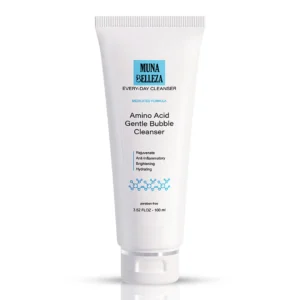 Amino Acid Gentle Bubble Cleanser
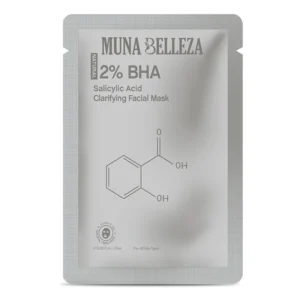 Salicylic Acid Face Mask
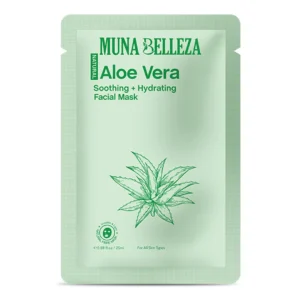 Aloe Vera Face Mask Sheet