 Gentle skincare for clear, even-looking skin
Melasma vs hyperpigmentation is not really a contest between two different things. Hyperpigmentation is any patch of skin that is darker than the skin around it. Melasma is one particular kind: blotchy brown or gray-brown patches, usually on both sides of the face, set off by sunlight, heat and hormones.
So all melasma is hyperpigmentation, but the mark a pimple left on your chin, or the brown dot on the back of your hand, is not melasma. The difference matters for one practical reason. Melasma comes back easily, and it often gets darker with the harsh fixes that work on ordinary dark spots. Below, we explain how to tell which one you have, what genuinely helps each, and the popular remedies to leave on the shelf.
What is hyperpigmentation?
Hyperpigmentation means an area of skin has made more melanin, the pigment behind your skin color, than the skin around it. It is a description rather than a diagnosis, in the same way “rash” is. The word tells you what you can see, not why it happened.
On the face, three kinds cause almost all the confusion. Post-inflammatory hyperpigmentation, or PIH, is the flat mark that stays behind after a breakout, a patch of eczema, a burn or a bug bite has healed. Sun spots, also called solar lentigines or age spots, are small brown dots that build up after years of sun. And melasma is the patchy, hormone- and light-driven type this article is mostly about. Freckles and color changes caused by some medicines belong to the family too. Our guide to what hyperpigmentation is walks through each type in more detail.
PIH is especially common in medium and deep skin tones. It usually fades by itself once the cause has settled, but that can take months, and sometimes years when the pigment sits deeper in the skin.
What is melasma on the face?
Melasma shows up as flat patches that can be tan, brown, grayish brown or bluish gray, depending on your skin tone. The usual places are the cheeks, forehead, bridge of the nose, chin and the skin above the upper lip. It tends to appear on both sides of the face in a near mirror image, and the edges are irregular, more like a spill than a dot. It does not itch, hurt or feel raised. The color is the only sign.
Who gets melasma?
Mostly women, and mostly between their twenties and forties. It is most common in people whose skin tans easily or is naturally light to medium brown, and less common in very fair or very deep skin. It often runs in families. Pregnancy is such a common trigger that melasma has the nickname “the mask of pregnancy,” and Cleveland Clinic estimates it affects 15% to 50% of pregnant women.
What triggers melasma?
Light is the big one. Ultraviolet rays darken it, and so does visible light, the ordinary daylight you see, which matters most for medium and deep skin. Heat seems to play a part as well, which is why some people notice it worsens after a sauna, hot yoga or a long day over a hot stove.
Hormones are the other half of the story. Pregnancy, birth control pills and hormone replacement therapy can all set it off, and the AAD lists stress as a trigger too. Finally, anything that irritates the skin, from a stinging toner to waxing, can deepen patches that are already there.
Melasma vs hyperpigmentation: what is the real difference?
Since melasma is a type of hyperpigmentation, the useful question is how melasma differs from the other kinds. Three things give it away.
The first is the pattern. Melasma covers areas, often matching on both cheeks, while PIH and sun spots are separate marks in the exact places that were inflamed or got the most sun.
The second is the cause. Most hyperpigmentation has a single cause you can point to and stop, like a breakout or a sunburn. Melasma has several triggers working at once, and the hormonal ones are often out of your hands.
The third is how it behaves over time. Many people with melasma see it darken in summer and soften in winter. Treatment can fade it, but it cannot make it go away for good, and it commonly returns after time outdoors without sun protection. A mark from an old pimple, by contrast, usually fades and stays faded.
Melasma vs sun spots: how can you tell them apart?
This is the most common mix-up, because both are flat, both are brown and both get darker in the sun. Look at the shape first. Sun spots are individual dots with fairly crisp, round edges, scattered over the places that see the most daylight, such as the cheekbones, the backs of the hands, the chest and the shoulders. Melasma is a wash of color with soft, uneven borders.
Then think about timing. Sun spots creep in slowly from your thirties and forties onward and look much the same in January as in July. Melasma can appear within a few months, often around a pregnancy or a change in contraception, and its color shifts with the seasons.
Getting this right is more than a label. Some laser and peel treatments that clear a sun spot in a session or two work by heating or injuring the skin, and in melasma that can mean darker patches afterward.
What about dark marks after acne?
Those are PIH, and they are the easiest to place. Each mark sits exactly where a pimple was, so you will usually see one or a few rather than a symmetrical patch. They stop appearing once breakouts are under control, and they fade over the following months. There is more on those in dark spots after acne.
Is melasma permanent?
Not always, but often it is long-lasting. When pregnancy or a medicine was the trigger, melasma may fade after the baby is born or once the medicine is stopped. It can also stay for years. In a survey of 324 women being treated for melasma, the most common time for it to first appear was after a pregnancy, often years later, so it does not always follow the neat timeline people expect.
Dermatologists suggest treating melasma sooner rather than later, because patches that have been there for many years are harder to fade. If you are pregnant, the advice is to wait until after the birth to start treatment.
Can scrubbing or a stronger peel fade melasma faster?
No, and this is the myth that costs people the most. With ordinary dark spots, exfoliating a little more can speed things up. With melasma, irritation is a trigger. The AAD warns that a product that burns or stings is irritating your skin and can darken spots, and that some treatments irritate darker skin enough to make melasma worse.
In practice, that means no grainy scrubs, no peel pads used every night, and no strong at-home acid peels unless a dermatologist has suggested them. If you only remember one thing from this article, make it this: with melasma, gentle beats strong.
Does lemon juice fade dark spots?
It is one of the most shared home remedies, and it can backfire badly. Lemons and limes contain compounds that react with sunlight. Juice left on the skin, followed by time outdoors, can cause a reaction called phytophotodermatitis, which often heals into new brown patches, and the darker the skin, the darker those patches tend to be. Adding irritation and fresh pigment to skin that is already prone to pigment is the opposite of what you want. We would leave the lemons for the kitchen.
How do you fade the look of melasma and other dark spots?
The plan is the same for every kind of hyperpigmentation. With melasma, though, you need more patience and you have to stick to it more strictly.
Start with a tinted sunscreen, every day
Daily sunscreen is the base of every melasma plan, and nothing else on this list works well without it. The AAD suggests a broad-spectrum SPF 30 or higher with zinc oxide or titanium dioxide, and recommends a tinted formula containing iron oxides, because iron oxides help block visible light. In a randomized trial of 68 people with melasma, the group using an iron oxide tinted sunscreen improved more than the group using a UV-only sunscreen, even though both groups used the same prescription cream. A 2025 study found the same pattern for keeping melasma from returning over a summer.
We do not make a sunscreen, so this is the one step you will buy elsewhere. Pick a tinted mineral formula that you like wearing, then reapply when you are outside and add a wide-brimmed hat.
Keep the routine short and gentle
The AAD recommends gentle, fragrance-free products for melasma. A mild cleanser, one targeted product, a moisturizer and sunscreen is plenty. If your skin stings easily, our picks for sensitive skin are a good place to find the cleanser and moisturizer. Adding more actives mostly adds more chances to irritate.
Ingredients worth looking for
Niacinamide slows the transfer of pigment to the surface cells of the skin and calms inflammation. In a split-face trial, 27 women with melasma used 4% niacinamide on one side and 4% hydroquinone on the other for eight weeks. Both sides improved. Hydroquinone did slightly better (55% vs 44% rated good to excellent), while niacinamide caused fewer side effects (18% vs 29%). Niacinamide is the main active in our Dark Spot Correcting Serum, alongside arbutin. That serum does contain fragrance, so if your skin reacts easily, patch test it along your jaw for a few days first. For the full story, see our guide to niacinamide for skin.
Tranexamic acid has been studied a lot for melasma in recent years. A review of 11 studies with 667 people found it helped, alone or added to other treatment, with mostly mild side effects. Much of the strongest evidence comes from tablets and injections a doctor prescribes, so expect a softer effect from skincare. If you would like to try it topically, our Turmeric Face Mask Sheet pairs tranexamic acid with niacinamide and alpha arbutin. It has no fragrance and no exfoliating acids, which makes it our gentlest option for melasma-prone skin. Our tranexamic acid guide goes deeper.
Vitamin C is an antioxidant that helps skin look brighter and more even, and it works well in the morning under sunscreen. Our Double Vitamin C Serum uses ascorbic acid with hyaluronic acid and has no added fragrance. Pure vitamin C can tingle on sensitive skin. If it stings rather than settling within a minute, stop, because stinging is exactly what melasma does not need. More in what vitamin C serum does.
Azelaic acid and kojic acid are two other non-prescription ingredients the AAD mentions for uneven tone. To compare everything we make for this concern in one place, see our products for dark spots.
How long until you see a difference?
Give any routine eight to twelve weeks before deciding whether it works. Take a photo once a month in the same window light, and compare like with like. Melasma fades a little each winter by itself, so a winter improvement may be the season, not the product.
What can a dermatologist do for melasma?
Quite a lot. A dermatologist can confirm it really is melasma, sometimes with a Wood’s lamp or a dermatoscope that shows how deep the pigment sits, and then build a plan around your skin tone and triggers. That plan may include prescription creams, tranexamic acid tablets, or carefully chosen peels and procedures. In the US, hydroquinone has been prescription-only since September 2020, so this is also the place to get it safely. Melasma treatment is usually seen as cosmetic, and most insurers do not cover it, so ask about cost up front.
One warning while you wait for an appointment: be wary of fade creams sold online with no clear ingredient list. The AAD notes that some contain hidden steroids, which can thin the skin with long use.
When should you see a doctor about a dark spot?
Book an appointment soon, for any kind of dark spot, if it is new or changing in size, shape or color, has several colors or ragged edges, or bleeds, itches or crusts. If darkening began after starting a new medicine, do not stop the medicine yourself. Ask the doctor who prescribed it.
Can men get melasma?
Yes. It is far less common in men, but it looks the same, sits in the same places and responds to the same care, starting with a tinted sunscreen.
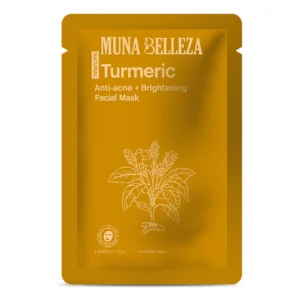 Turmeric Face Mask Sheet
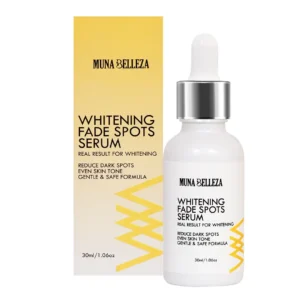 Dark Spot Correcting Serum
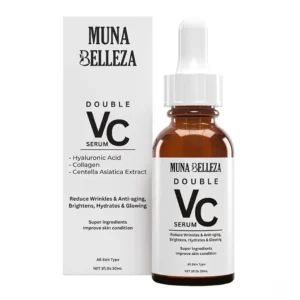 Double Vitamin C Serum
Pingback: What Is Hyperpigmentation? Types, Causes and Care
Pingback: How to Fade Dark Spots on Your Face - Muna Belleza