 Gentle skincare for clear, even-looking skin
You cannot remove dark spots on your face overnight, but you can fade most of them safely with daily sunscreen, one or two proven ingredients and about three months of patience. Fast fixes are where things usually go wrong, because irritated skin makes more pigment, not less.
This guide is the practical plan. It covers how to work out what kind of spot you have, what to use in the morning and evening, how long each step takes, and which shortcuts to leave alone.
What should you check before you start?
Dark spots on the skin are not all the same, and the type decides how well home care will work. A quick look tells you most of what you need.
- A flat brown mark exactly where a pimple, scratch or rash used to be is a post-inflammatory mark. These respond best to home care.
- Small, round, well-defined brown spots on areas that see the most sun are sun spots. Skincare can soften them, but they often need a professional treatment to clear.
- Larger, blotchy patches that match on both sides of the face suggest melasma. It needs extra care with light and heat, and it is worth seeing a dermatologist about. We explain how to tell in melasma vs hyperpigmentation.
If you are not sure which one you have, our guide to what hyperpigmentation is goes through each type.
One rule applies before any routine: a spot that is new, changing, uneven in color or raised should be seen by a doctor first.
Why do dark spots show up on your cheeks and cheekbones?
The cheeks are the part of the face that catches the most light. The cheekbones in particular sit high and angled toward the sun, so they collect more UV than the areas around them, and so does the left side of the face in people who drive a lot.
Dark spots on your cheekbones that appear as a soft, even band on both sides are a classic pattern of melasma. Separate, freckle-like dots in the same area are more often sun spots.
Dark spots on your cheeks lower down are frequently marks from breakouts, especially along the jaw side, where hormonal acne tends to sit. Phones, hands and pillowcases all rest there too, which does not help.
Can you remove dark spots on your face at home?
You can fade many of them, and some will disappear. How completely they clear without a dermatologist depends on the type of spot and on how deep the pigment sits.
Marks from acne and minor irritation usually fade completely with time and a steady routine. Sun spots and melasma tend to soften rather than vanish with skincare alone. Being honest about that at the start saves a lot of money and disappointment.
What is the best routine to fade dark spots on your face?
A routine that works is short. Here is the one we recommend to fade dark spots on your face.
Morning
- Wash with a gentle cleanser, or just rinse if your skin is dry.
- Apply an antioxidant serum. Vitamin C is the usual choice, because it both brightens the look of uneven tone and backs up your sunscreen. Our Double Vitamin C Serum is a gentle, unscented option. Its strength is not stated on the label, so think of it as a mild daily vitamin C. Read more in what vitamin C serum does.
- Moisturize.
- Finish with a broad-spectrum sunscreen, SPF 30 or higher. If your skin is medium or deep in tone, choose a tinted one with iron oxides, which also shields against visible light.
Evening
- Cleanse thoroughly to take off sunscreen and makeup.
- Apply one tone-evening product. Niacinamide is a good first choice, because it is gentle and suits most skin. Our Dark Spot Correcting Serum pairs it with arbutin. It contains fragrance, so patch test it if your skin is easily irritated. We cover the ingredient in niacinamide for skin.
- Moisturize.
Once or twice a week
An extra step is optional. A hydrating, tone-evening mask can be a pleasant boost. Our Turmeric Face Mask Sheet combines niacinamide, tranexamic acid and alpha arbutin with no fragrance and no exfoliating acids. For more on its key ingredient, see tranexamic acid for skin.
Which ingredients have evidence behind them?
The American Academy of Dermatology lists several non-prescription ingredients that can help even out skin tone, including azelaic acid, glycolic acid, kojic acid, retinoids and vitamin C. Niacinamide, arbutin and tranexamic acid also have clinical studies supporting them.
They work in different ways. Some slow the making of pigment, some slow its delivery to the surface, and some speed up the shedding of cells that already hold it. That is why combining two can help. It is also why piling on five at once backfires: more products means more chance of irritation, and irritation is one of the causes of dark spots in the first place.
Start with one. Add a second after a month if your skin is calm.
Why is sunscreen the most important step?
Because sunlight is what keeps a dark spot dark. UV tells pigment cells to work harder, and existing spots respond faster than the skin around them. A few unprotected days can undo weeks of progress.
The AAD describes sunscreen as essential for fading dark spots: used on all uncovered skin, it can keep new spots from forming and help existing ones clear. Apply it every morning, including in winter and on cloudy days, and reapply when you are outdoors. A wide-brimmed hat adds real protection for the cheeks and cheekbones.
We do not sell sunscreen, so use any formula you are happy to wear daily.
Do harsh shortcuts fade dark spots faster?
No. They are the main reason dark spots get worse. Avoid these.
- Lemon juice, baking soda and other kitchen remedies. They irritate, and citrus on the skin followed by sun can leave new dark patches.
- Scrubbing. Pigment sits inside the skin, where a scrub cannot reach.
- Strong peels at home. A peel that is too strong for your skin can leave a larger mark than the one you started with.
- Fading creams from unknown sellers. The AAD warns that some skin-fading products sold online contain steroids or mercury that are not listed on the label. In the US, hydroquinone is available only by prescription.
- Stacking several acids and a retinoid on the same night.
If a product stings or burns, stop using it. Calm skin fades faster than irritated skin.
How do you fade acne dark spots?
The routine above works well for acne dark spots, with one addition: the breakouts have to be brought under control first, or new marks will keep replacing the old ones. Do not pick, and use a pimple patch on anything tempting. We go into brown marks, red marks and scars in detail in dark spots after acne.
How long does it take?
Plan in months, not weeks.
- After four weeks, skin often looks brighter and more even overall. Individual spots may look much the same.
- After eight to twelve weeks, recent and lighter marks should be visibly softer.
- Older, deeper or larger spots can take six to twelve months, and some will need professional help.
Take a photo in the same place and the same light once a month. Day to day, the mirror is a poor judge.
What if nothing is changing?
First, check the basics. Are you wearing sunscreen every single day, and enough of it? Is something still triggering the spots, such as active acne, picking or a product that irritates? Have you given one routine a full three months, without swapping products every fortnight?
If the answer to all three is yes, it is time for a dermatologist. Prescription creams, chemical peels and laser or light treatments can reach pigment that skincare cannot. These should be chosen carefully for deeper skin tones, where the wrong treatment can cause new marks.
When should you see a doctor about a dark spot?
See a doctor promptly if a spot is new and growing, has an irregular edge or more than one color, is raised, or itches, bleeds or crusts. Most dark spots are harmless, but those signs need checking before you try to fade anything.
Can you stop dark spots from coming back?
To a large extent, yes. Keep wearing sunscreen after your skin has cleared, deal with breakouts early, keep your hands off your face, and keep your routine gentle. Most returning spots trace back to sun or irritation. To see everything we make for this concern in one place, browse our dark spot skincare.
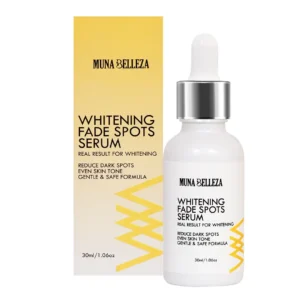 Dark Spot Correcting Serum
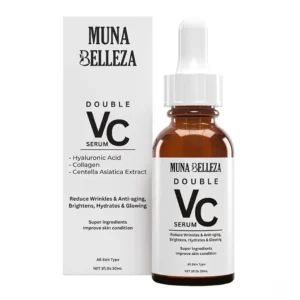 Double Vitamin C Serum
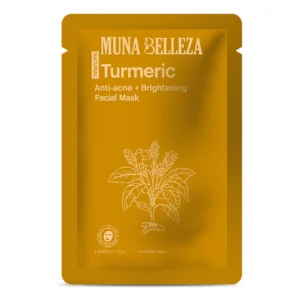 Turmeric Face Mask Sheet
Pingback: Uneven Skin Tone: Causes and How to Even It Out