 Gentle skincare for clear, even-looking skin
What is hyperpigmentation? It is skin that has turned darker than the skin around it because it holds extra melanin, the pigment that gives skin its color. A sunny summer, a healed pimple, a pregnancy or even a new medicine can all leave it behind.
Hyperpigmentation is among the top complaints dermatologists hear, and in most cases it is harmless. It can still be stubborn and frustrating to look at. Below, we cover the main types, what causes each one, how long marks usually take to fade, what helps them look less visible, and when a darker patch is worth showing to a doctor.
What is hyperpigmentation, and what happens in your skin?
Your skin has pigment cells called melanocytes. When they are switched on by sunlight, inflammation or hormones, they make more melanin and pass it to the skin cells around them. Spread evenly, that is a tan. Concentrated in one area, it is hyperpigmentation (you will also see it written as hyper pigmentation).
The result is not always brown. Cleveland Clinic describes hyperpigmented spots that can look brown, black, gray, red or pink, and they can sit in one small area or appear across the body. Apart from the color, hyperpigmentation usually causes no symptoms at all. It does not itch or hurt.
What are the main types of hyperpigmentation?
The word covers several different conditions. Knowing which one you have matters, because each behaves differently.
Post-inflammatory hyperpigmentation
Post-inflammatory hyperpigmentation (PIH) is the mark left after the skin has been inflamed or injured. Acne is the classic cause, but eczema, a burn, a cut, an insect bite, a rash or an irritating product can all leave it behind. Each mark sits exactly where the trouble was. It is especially common in darker skin: in people of color with acne, as many as 65% may develop these marks. Our guide to dark spots after acne covers them in detail.
Sun spots
Also called solar lentigines, age spots or liver spots, these are flat brown spots that collect after many years outdoors. Look for them where daylight lands most often: the face, hands, shoulders and chest.
Melasma
Melasma causes larger, blotchy patches, usually on both cheeks, the forehead and the upper lip. It is driven by sunlight, heat and hormones, which is why it often appears during pregnancy or with birth control pills. It behaves differently from the other types and tends to come back, so we gave it a full guide of its own: melasma vs hyperpigmentation.
Freckles
Freckles are small, light brown dots that run in families. They usually appear in childhood and get darker in sunny months, then paler again in winter.
Dark circles (periorbital hyperpigmentation)
Darker skin around the eyes is called periorbital hyperpigmentation. It often runs in families and is more common in skin of color. Not every dark circle is pigment, though. Researchers list several causes, including extra melanin, marks left by eczema or allergies around the eyes, visible blood vessels under thin skin, puffiness and the shadow of a hollow under the eye. That is why an eye cream alone often does less than people hope.
Hyperpigmentation from medicines
Some medicines can darken the skin. DermNet estimates that drugs cause 10% to 20% of acquired hyperpigmentation. Examples include the antibiotic minocycline, the heart medicine amiodarone and some antimalarials, and the color is often blue-gray rather than brown.
What causes hyperpigmentation?
Almost every cause comes back to something that tells your pigment cells to work harder. Sun exposure is the biggest one. Inflammation is next, from acne, eczema, injuries or irritation. Hormones play a part in melasma and in the darkening some people notice during pregnancy or puberty. Genetics shape freckles and dark circles.
A smaller group of causes is medical. Cleveland Clinic lists hormone conditions such as thyroid disorders and Addison’s disease, a rare problem with the adrenal glands, among the things that can darken skin. With Addison’s disease, the darkening tends to be widespread and is often most noticeable in scars, areas of friction and the inside of the mouth. That kind of change is very different from a single mark on your cheek, and it needs a doctor rather than a serum.
How does hyperpigmentation fit with other skin pigmentation disorders?
Skin pigmentation disorders are conditions that change the color of the skin. They fall into two broad groups. Hyperpigmentation means too much pigment, so the skin looks darker. Hypopigmentation means too little, so the skin looks lighter. Vitiligo, in which the skin loses its color in patches, is the best-known example of the second group.
This guide is about the darker kind. If you notice skin that is getting lighter rather than darker, that is a different conversation, and a dermatologist is the right person to look at it.
Why is hyperpigmentation more common on Black and brown skin?
Medium and deep skin tones have pigment cells that respond more strongly to any trigger. A pimple that leaves a faint pink mark on fair skin can leave a dark brown one on deeper skin, and that mark can last much longer. The American Academy of Dermatology notes that dark spots and patches are among the most common reasons people with darker skin tones see a dermatologist.
The upside is that the same rules work for every skin tone: find and calm the cause, protect the skin from light every day, and be gentle. The difference is mostly in patience.
Will hyperpigmentation fade on its own?
Often, yes, but how fast depends on the type and on how deep the pigment sits.
Post-inflammatory hyperpigmentation tends to fade without treatment once the acne, rash or irritation behind it has settled. The AAD notes that a spot only a few shades darker than your skin can fade over several months, while color that sits deep in the skin can take years. Freckles soften every winter. Sun spots tend to stay unless they are treated. Melasma comes and goes with the seasons and with hormones. Darkening caused by a medicine may fade slowly after the medicine is stopped, but that decision belongs to the doctor who prescribed it.
The fastest way to make any mark last longer is to keep exposing it to sun or keep irritating it.
Do you need sunscreen if you have darker skin?
Yes, and this is one of the most damaging myths about pigmentation. Darker skin has more natural protection from sunburn, but it is also quicker to form new dark marks, and the sun keeps old ones dark. The AAD calls sunscreen essential for fading dark spots in darker skin tones. Used every day on all uncovered skin, it can stop new spots from forming and help existing ones clear.
For deeper skin tones in particular, dermatologists often suggest a tinted sunscreen with iron oxides. Iron oxides protect against visible light, which can also darken pigment. A tinted formula has a second advantage: it blends into medium and deep skin instead of leaving a white cast, which makes daily use far more likely.
Should you pick or scrub a dark mark?
No. A dark mark is not dirt sitting on the surface, so scrubbing cannot lift it out. Picking at a pimple, a scab or a bump creates fresh inflammation, and fresh inflammation is exactly what makes new hyperpigmentation. The same goes for harsh scrubs, peel pads used too often and products that burn or sting. The AAD advises switching to gentler products if you keep seeing new dark spots, because irritated skin makes them.
The practical rule: if a breakout is tempting you, put a pimple patch on it and keep your hands busy elsewhere.
What helps hyperpigmentation look less visible?
Stop the cause first
When acne or eczema is behind the marks, getting that under control comes first. Otherwise new marks keep appearing as old ones fade, and it feels as though nothing is working.
Protect from the sun every day
A broad-spectrum sunscreen of SPF 30 or higher, every morning, on every skin tone. Add a hat when you are outside for long. Sunscreen is not something we sell, so choose any formula you enjoy enough to use daily.
Ingredients worth looking for
Niacinamide is a gentle, well-studied choice. It slows the handover of pigment from the pigment cells to the surface of the skin, and it suits most skin types. It is the lead ingredient in our Dark Spot Correcting Serum, paired with arbutin. One honest note: that serum contains fragrance, so patch test it first if your skin is easily irritated. For more on this ingredient, read what niacinamide does for skin.
If you would rather build it into your moisturizer, both jars of our Day and Night Cream Set contain niacinamide, and the night cream adds arbutin and vitamin C. The day cream has no SPF, so it goes on under your sunscreen, and the night cream contains fragrance.
Tranexamic acid has a growing body of research for stubborn pigment, with the strongest results coming from forms a doctor prescribes. Our fragrance-free Turmeric Face Mask Sheet combines it with niacinamide and alpha arbutin for an evening or two a week. Our tranexamic acid guide explains what skincare can and cannot do with it.
The AAD also mentions azelaic acid, glycolic acid and kojic acid as non-prescription ingredients that can help even out skin tone. To compare our full range for uneven-looking skin, browse our dark spot skincare.
How long should you give it?
At least eight to twelve weeks of daily use before judging. A monthly photo in identical lighting will show you more than the mirror does day to day. For a step-by-step routine, see how to fade dark spots on your face.
How do you cover up hyperpigmentation?
Makeup is a perfectly good way to hide hyperpigmentation while you wait for marks to fade, and it does no harm to the skin underneath. The trick is color correcting. Colors opposite each other on the color wheel cancel each other out, so a warm corrector neutralizes the cool, gray or bluish cast that dark spots often have.
As a rough guide, peach correctors suit fair to medium skin, while orange or red-orange shades suit medium to deep skin. Dab a thin layer only on the dark area, let it settle for a minute, then tap a concealer that matches your skin over the top and blend the edges. A light dusting of powder helps it stay put.
Order matters. For melasma, the AAD suggests applying any treatment product first, then sunscreen, then your cover-up makeup. If you want everyday coverage without full makeup, a tinted sunscreen evens out the look of mild pigmentation and protects it at the same time.
What can a dermatologist do for hyperpigmentation?
A dermatologist starts by working out which type you have. Cleveland Clinic notes that this usually means asking when the darkening started and which medicines you take, looking closely at the skin, and occasionally taking a small skin sample. From there, options include prescription creams, chemical peels and laser treatments, chosen carefully for darker skin tones, where some procedures can cause new marks. Hydroquinone, a well-known fading cream, has needed a prescription in the US since September 2020, so this is also where to get it safely.
When should a dark patch be checked by a doctor?
See a doctor if a spot is new or keeps changing its size, shape or color, has uneven edges or several colors, or bleeds or crusts. Also book an appointment if darkening appears across large areas of your body, especially with tiredness, weight loss, dizziness or darkening inside the mouth, or if skin in the neck or armpits turns dark and velvety. And if the darker skin appeared soon after you began a new medicine, keep taking it and talk to the doctor who prescribed it.
Is hyperpigmentation harmful?
In most cases, no. Most hyperpigmentation is a cosmetic change, not a health problem, and many marks fade with time, sun protection and a little patience. The exceptions are the changes listed above, which are worth a quick check rather than a worry.
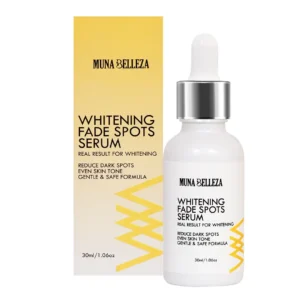 Dark Spot Correcting Serum
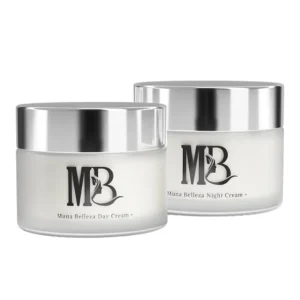 Day and Night Cream Set
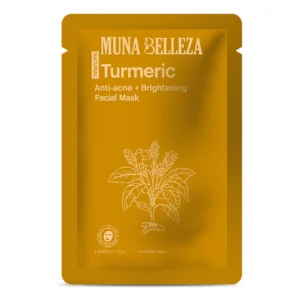 Turmeric Face Mask Sheet
Pingback: How to Fade Dark Spots on Your Face Safely
Pingback: Uneven Skin Tone: Causes and How to Even It Out