 Gentle skincare for clear, even-looking skin
To get rid of dark spots from acne, you need three things: daily sunscreen, a gentle routine with one or two tone-evening ingredients, and time. Most of these marks are not scars. They are leftover color, brown or red, and nearly all of them fade.
How quickly they fade is partly up to you. Sun, picking and harsh products can keep a mark around for months longer than it needed to stay. Here is why acne leaves marks behind, how to tell a mark from a true scar, and what helps each kind.
Why does acne leave marks behind?
A pimple is a small area of inflammation. While your skin repairs it, two things can happen at that spot.
The first is extra pigment. Inflammation switches on the cells that make melanin, and they leave a deposit of color where the pimple was. Dermatologists call this post-inflammatory hyperpigmentation. It shows as a flat tan, brown or gray-brown spot.
The second is leftover redness. Inflammation widens the tiny blood vessels in the area, and some stay widened or damaged after the bump has gone. This is known as post-inflammatory erythema. It shows as a flat pink, red or purplish spot.
The deeper and angrier the pimple, and the more it was squeezed, the stronger both reactions tend to be.
Are your acne marks brown or red?
It is worth checking, because the two behave differently.
Brown or gray-brown acne marks are pigment. They are more common, darker and longer-lasting in medium and deep skin tones, and sunlight makes them darker.
Pink, red or purple marks are about blood vessels, not pigment. They are easiest to see on fair skin. On deeper skin they can look violet.
A simple test helps. Press a clear glass or a fingertip firmly on the mark. If the color fades under pressure and returns when you let go, it is redness. If it stays the same, it is pigment. Plenty of people have both kinds at once, sometimes in the same spot.
Is a dark spot the same as an acne scar?
No, and the difference is good news. A scar is a change in the texture of the skin: a dent, a pit or a raised bump you can feel. A mark is flat. The American Academy of Dermatology notes that a flat spot of color left when acne clears is usually not an acne scar.
Run a fingertip over the area with your eyes closed. If the skin feels smooth and you cannot find the spot by touch, it is a mark, and marks fade.
Do acne scars go away?
People who ask “do acne scars go away” usually mean the flat marks, and those do. True scars are different. The AAD says that acne scars can fade but rarely disappear completely without help. Indented and raised scars need a dermatologist, who can offer procedures such as microneedling, laser treatment or fillers. No cream fills in a dent.
How long do dark spots from acne take to fade?
Without any help, a mark that is only a little darker than your skin often fades in three to six months. Darker marks, and marks on deeper skin tones, can take a year or longer. Red marks usually fade in a similar window, a few months for most people, though stubborn ones can linger.
A sensible routine can shorten that. So can avoiding the things that slow it down, which matters just as much.
What slows fading down?
- Sun. UV light darkens brown marks and keeps red ones visible for longer.
- Picking and squeezing. Each time you reopen a spot, the repair process and the mark start again. The AAD warns that this raises the risk of both discoloration and scarring.
- New breakouts. If acne is still active, new marks arrive as fast as old ones leave.
- Irritation. Scrubs, strong acids and anything that stings cause the same inflammation that created the mark.
Will scrubbing help acne marks fade faster?
No. This is the most common mistake. The color sits within the skin, not on top of it, so it cannot be scrubbed away. Rough exfoliation irritates the area and can make a brown mark darker and a red mark redder. Gentle, steady care is quicker than force.
How do you get rid of dark spots from acne?
The order matters. Start at the top and add steps only if you need them.
1. Get the breakouts under control
There is little point in fading marks while new pimples keep forming. Proven acne ingredients include salicylic acid, benzoyl peroxide and adapalene, a retinoid sold without a prescription. Adapalene does double duty, because retinoids also help marks fade by speeding up skin renewal. If you want to understand the first of these, read what salicylic acid does for skin.
2. Wear sunscreen every day
Use a broad-spectrum SPF 30 or higher on every skin tone, every morning. For medium and deep skin, a tinted sunscreen with iron oxides also protects against visible light, which can darken pigment. This single step does more than any serum. We do not make a sunscreen, so pick one you like enough to wear daily.
3. Add a tone-evening ingredient
For brown marks, several ingredients have research behind them.
Niacinamide slows the movement of pigment to the surface of the skin, and it calms inflammation, so it is useful for red marks too. It is the lead ingredient in our Dark Spot Correcting Serum, together with arbutin. That serum is scented, so patch test it first if your skin reacts easily. Our guide to niacinamide for skin explains how it works.
Azelaic acid is a good choice for acne-prone skin, since it helps with breakouts, brown marks and redness together. We do not make one, but it is easy to find.
Vitamin C brightens the look of uneven tone and is best used in the morning under sunscreen. See what vitamin C serum does.
Tranexamic acid is a gentle option for stubborn marks. Our unscented Turmeric Face Mask Sheet combines it with niacinamide and alpha arbutin, for a few evenings a week.
You do not need all of these. One or two, used every day, will do more than five used now and then. For a full morning and evening plan, see how to fade dark spots on your face.
4. Keep everything else gentle
Wash with a mild cleanser, moisturize, and leave it there. Our fragrance-free Amino Acid Gentle Bubble Cleanser suits skin that is using acne products. If you are choosing a whole routine, start with our picks for acne-prone skin.
How do you get rid of acne redness?
To get rid of acne redness that lingers after a spot has gone, think calm, not strong. Red marks respond to time, sun protection and soothing ingredients more than to exfoliation.
Niacinamide and azelaic acid are the two with the best case. Keep your routine free of scrubs, hot water and anything that tingles, because flushing the area keeps those small vessels wide. If the redness of acne marks has not eased after six months or so, a dermatologist can use a vascular laser, which targets the vessels directly and is the most effective option for stubborn red marks.
How do you reduce the redness of spots that are still active?
To reduce the redness of spots that are still raised and sore, hold a cool, clean cloth against the spot for a few minutes, apply your acne product, and cover it with a pimple patch. The patch keeps fingers away, which is half the benefit. A green-tinted concealer cancels out red if you need it to look calmer quickly.
How do you prevent redness from acne and new marks?
You cannot prevent every mark, but you can prevent many of them.
- Treat breakouts early, while they are small.
- Do not pick, pop or squeeze. Use a patch instead.
- Wear sunscreen daily, including on cloudy days.
- Keep your routine gentle, so skin is not inflamed for other reasons.
- See a dermatologist promptly for deep, painful acne, which is the kind most likely to mark and scar.
Those same habits are how you prevent redness from acne turning into something that lasts for months.
When should you see a dermatologist?
See a dermatologist if your acne is deep, painful or widespread, if you can feel dents or raised areas where spots have been, or if marks have not improved after three to six months of steady care. Prescription retinoids, prescription fading creams, chemical peels and lasers are all options. Early treatment matters most if scarring runs in your family.
Do dark spots after acne ever go away completely?
In most cases, yes. Flat marks are temporary, even when they are slow. Protect them from the sun, stop new breakouts, be gentle, and they fade. If you would like the wider picture of why skin makes extra pigment, see our guide to what hyperpigmentation is.
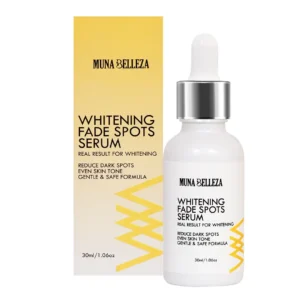 Dark Spot Correcting Serum
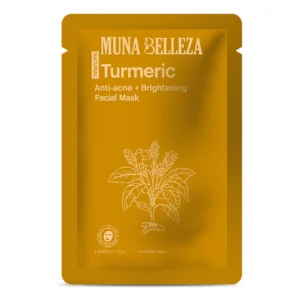 Turmeric Face Mask Sheet
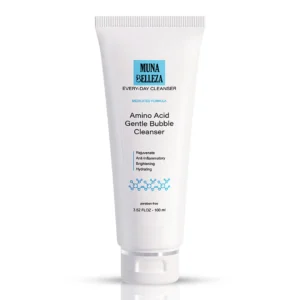 Amino Acid Gentle Bubble Cleanser
Pingback: How to Fade Dark Spots on Your Face Safely
Pingback: How to Reduce Redness on Your Face
Pingback: Should You Pop Pimples? Why It's Rarely Worth It
Pingback: Different Types of Pimples and How to Tell Them Apart
Pingback: A Simple Skincare Routine for Acne-Prone Skin