 Gentle skincare for clear, even-looking skin
Dry and patchy skin on the face is rarely dry all over. More often it shows up in a few stubborn places, such as beside the nose, between the brows, on the cheeks or around the mouth, while the skin in between feels normal. Those rough areas catch makeup, sting when you wash and seem to come back however much cream you use.
Most patches are simple dryness that responds to gentler care within a couple of weeks. Some are a skin condition that needs a different approach. This guide helps you tell which is which and what to do about each.
What do dry skin patches look and feel like?
Dry skin patches are small areas where the surface has lost water and the natural fats that hold it smooth. You will usually notice some of the following.
- A rough, sandpaper-like feel under your fingertips
- Fine white or grey flakes, or skin that peels at the edges
- A dull, ashy look, which is more visible on deeper skin tones
- Tightness, especially after cleansing
- Mild pinkness or redness
- Foundation that clings to the area or looks cakey
Itching, cracking, thick scale or a clear border are signs of something more than dryness, and we cover those below.
What causes dry spots on skin?
Dry spots on skin form when one area loses moisture faster than the rest of the face. Usually that comes down to something it has been exposed to.
Weather and indoor air
Cold wind, low humidity, air conditioning and central heating all pull water out of the skin. The cheeks and the skin around the nostrils take the brunt of it.
Cleansing habits
Hot water, long showers, foaming washes that leave skin squeaky and washing more than twice a day strip the oils that keep the surface sealed.
Too many active ingredients
Retinoids, exfoliating acids, benzoyl peroxide and strong vitamin C can each cause peeling where they are applied, or where product collects, such as the creases beside the nose and the corners of the mouth.
Friction and wiping
Rubbing with a towel, frequent nose blowing during a cold and face masks or glasses pressing on the same spot can all leave a dry, sore area.
Age and skin type
Skin makes less oil and fewer barrier fats as we get older, so patches become more common from the forties onward. Naturally dry skin is prone to them at any age.
Why do you get dry flaky skin in one place but not another?
Different parts of the face have very different numbers of oil glands. The forehead and nose have many. The cheeks, the eye area and the skin around the lips have few. So the same cleanser or the same cold morning can leave your cheeks flaking while your forehead stays comfortable. Dry flaky skin in one zone and shine in another is common, and it is usually described as combination skin.
What causes dry skin around the nose?
Dry skin around the nose deserves its own section, because there are two quite different causes.
The first is plain irritation. Tissues during a cold, a runny nose and acne products that pool in the creases all dry out this thin skin. It feels sore and looks slightly red, and it improves quickly with a plain, bland moisturizer.
The second is seborrheic dermatitis, which is extremely common. It causes flaking with a faintly greasy, yellowish scale in the creases beside the nose, in the eyebrows, along the hairline and often on the scalp as dandruff. It is linked to an inflammatory reaction to a yeast that lives naturally on everyone’s skin. The flakes look like dryness, but rich creams do not clear them, and they tend to return. A pharmacist or dermatologist can recommend an antifungal cream or wash, which usually works well.
When are red, dry spots on the skin something else?
Red, dry spots on the skin that itch, last for weeks or keep returning may be one of these conditions. This list is a guide to help you describe what you see. It cannot replace a diagnosis.
- Eczema, or atopic dermatitis. Very itchy, dry, inflamed patches, often on the eyelids, cheeks and around the mouth. It tends to flare and settle.
- Contact dermatitis. A reaction to something that touched the skin, such as fragrance, hair dye, a new cosmetic or nickel. It appears where the product was used and may burn or sting.
- Psoriasis. Thicker, well-defined patches with silvery-white scale, often at the hairline, in the brows or around the ears.
- Perioral dermatitis. Small red bumps with flaking around the mouth, nose or eyes, sometimes set off by steroid creams or heavy products.
- Actinic keratosis. A rough, gritty patch on sun-exposed skin that does not go away, most often in adults with a history of sun exposure. These are precancerous and should always be checked.
- Ringworm. A fungal infection that forms a ring with a scaly edge and clearer center.
How do you smooth dry spots on your face at home?
For ordinary dryness, a simple routine is enough.
- Wash with lukewarm water and a mild cleanser, once or twice a day. Our Amino Acid Gentle Bubble Cleanser is made without fragrance.
- Pat the skin, and apply moisturizer within a minute or two while it is still damp.
- Choose a cream over a lotion. Look for humectants such as glycerin and hyaluronic acid, together with richer ingredients such as shea butter, ceramides or squalane.
- At night, dab a thin layer of plain petroleum jelly over the patch, on top of your moisturizer, to seal it.
- Pause scrubs, acids and retinoids on the area until it has been smooth for a week or two.
- Use a humidifier if your room air is dry.
- Wear sunscreen in the morning. Sunburn leaves patches of its own.
The day cream in our Day and Night Cream Set pairs shea butter and aloe with panthenol, which suits this kind of dryness. If patches came with stinging and sensitivity to everything, the wider problem may be your skin barrier, and that guide explains how to rest it. For a step-by-step bedtime routine, see how to fix dry skin on your face.
Should you exfoliate dry patches?
It is tempting to scrub flakes off, and it nearly always backfires. Flaking is a sign that the surface is already damaged, and scrubbing takes more of it away. Soften the flakes with moisturizer first. After a few days, most will lift away when you cleanse. If you want to exfoliate later, wait until the skin is comfortable and use a mild product no more than once a week.
Can dry spots on your skin come with breakouts?
Yes. Dry spots on your skin and pimples often appear together, particularly when acne products have been overused. The dryness itself can make clogged pores more likely. We explain why, and how to handle both, in can dry skin cause acne.
When should you see a doctor?
Book an appointment if a patch has not improved after two weeks of gentle care, or if it:
- Itches intensely, cracks, bleeds or weeps
- Has a thick scale or a sharply defined edge
- Is a single rough spot that never fully goes away
- Is growing, changing color or forming a sore
- Keeps coming back in the same place
- Appeared after you started a new medicine
Most causes are easy to manage once they have been named, and a persistent rough patch on sun-exposed skin is always worth having looked at.
What should you remember about dry and patchy skin?
Dry and patchy skin is usually the face asking for less washing, fewer actives and more moisturizer. Give gentle care two weeks. If a patch is still there, or it itches, scales or returns, let a dermatologist take a look. You can browse our picks for dry skin and sensitive skin for products that keep things simple.
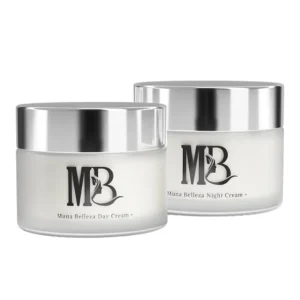 Day and Night Cream Set
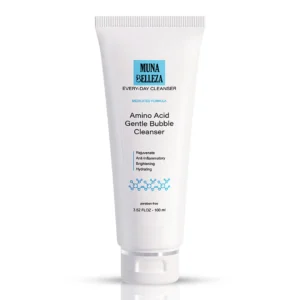 Amino Acid Gentle Bubble Cleanser
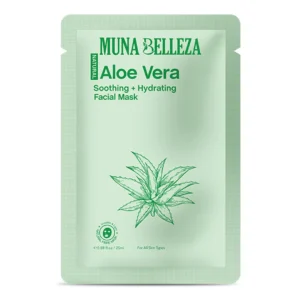 Aloe Vera Face Mask Sheet