 Gentle skincare for clear, even-looking skin
If you are looking for how to cure dry skin on your face overnight, here is the truthful version first: one night cannot undo dryness that has built up over weeks. What one night can do is make your skin look and feel clearly better by morning, with less tightness, fewer flakes and a smoother surface.
The trick is using the hours you are asleep, when nothing is being washed, rubbed or exposed to sun and wind. Below is the bedtime routine dermatologists recommend, what to expect when you wake up and how to keep the improvement going.
Why does dry skin respond so well at night?
Skin loses more water overnight than during the day, which is partly why a dry face often feels worst in the morning. That also makes bedtime the best moment to step in. A good layer of moisturizer has seven or eight undisturbed hours to work, and a seal on top keeps water from escaping while it does.
How to cure dry skin on your face overnight: the routine
Think of this as overnight repair work, not a cure. It takes about five minutes.
1. Cleanse briefly with lukewarm water
Use a mild, low-foam cleanser, massage for 20 to 30 seconds and rinse with water that feels barely warm. Hot water dissolves the skin’s natural oils. If you have not worn makeup or sunscreen, a rinse is enough. Our Amino Acid Gentle Bubble Cleanser is fragrance-free and does not leave a tight feeling.
2. Leave your skin damp
Pat once with a clean towel so the skin is moist but not dripping. Moisturizer applied to damp skin holds in far more water than the same product on dry skin. Move to the next step within a minute or two.
3. Add a humectant layer
Humectants are ingredients that attract and hold water. Glycerin, hyaluronic acid and panthenol are the most reliable. A hydrating serum, essence or sheet mask works here. Our Aloe Vera Face Mask Sheet delivers glycerin, panthenol and aloe in one step. Wear it for 15 to 20 minutes, then press in what is left instead of rinsing. It is scented, so skip it if your skin is stinging.
4. Apply a cream, not a lotion
Creams and ointments hold more moisture in the skin than lotions. Use a generous layer, about the size of a large pea for the face and another for the neck. Look for shea butter, ceramides, squalane, dimethicone or jojoba oil on the label.
5. Seal the driest areas
This is the step that makes the overnight difference. Smooth a very thin layer of plain petroleum jelly, or another simple ointment, over the cream on the driest parts of your face. It works as a cover that slows water loss while you sleep. The method is often called slugging.
Two cautions. If you are prone to breakouts, seal only the dry patches and keep it away from the areas that clog. And never seal over a retinoid or an exfoliating acid, because trapping them against the skin makes irritation much more likely.
6. Help the room
Air conditioning and heating dry the air. A humidifier by the bed, or simply turning the fan away from your face, helps your skin hold on to the water you just gave it.
What will you notice in the morning?
After one night, most people see less flaking, a softer feel and a surface that looks less dull. Tightness is usually the first thing to go. What will not have changed yet is the underlying dryness, so the skin will slide back if you return to old habits.
Rinse with lukewarm water in the morning, apply moisturizer again while damp and finish with sunscreen. Repeat the night routine for one to two weeks and the improvement starts to last through the day.
Why is your face skin so dry in the first place?
When people ask “why is my face skin so dry”, the cause is usually one of a short list.
- Cleansers that foam heavily, or washing too often
- Hot showers
- Dry indoor air or cold, windy weather
- Overuse of retinoids, acids or acne products
- Age, since skin makes less oil over time
- Certain medicines, including some acne and blood pressure treatments
An overnight routine helps with all of these, but it works far better once the cause is removed. If the dryness sits in separate rough areas, our guide to dry, patchy skin explains what different patches can mean.
What helps patches of dry skin on your face fastest?
For small patches of dry skin on your face, spot care is quicker than treating the whole face. Apply your cream to the patch, wait a minute and dab a little ointment on top. Do this morning and night.
Resist picking or scrubbing the flakes. They will lift on their own once the skin beneath has softened, usually within two or three days.
Are facials for dry skin worth it?
Facials for dry skin can help, as long as you choose the right kind. A good hydrating facial uses gentle cleansing, a humectant-rich mask and a rich moisturizer, sometimes with light massage. Skin looks plumper for a few days afterward.
Tell the therapist your skin is dry before you start, and ask them to leave out the steps that work against you.
- Steam, which feels pleasant but can leave dry skin drier afterward
- Scrubs and microdermabrasion
- Strong peels
- Extractions on irritated areas
- Heavily fragranced or alcohol-based products
A facial is a boost, not a fix. What you do at home every night matters more than a monthly appointment. You can get much of the benefit with a weekly sheet mask at the humectant step of the routine above, and you will find hydrating options in our face masks.
What if you have incredibly dry skin?
Incredibly dry skin, the kind that cracks, burns or peels in sheets, needs a simpler and heavier approach for a while.
- Stop every active ingredient, including vitamin C, acids and retinoids.
- Wash with water only in the morning.
- Use an ointment in place of a cream at night, and reapply cream during the day whenever skin feels tight.
- Choose fragrance-free products only.
- Stay out of the sun and wind as much as you can.
If skin stings when you apply even a bland moisturizer, the outer layer has been damaged. Our guide to the skin barrier covers how long that takes to recover.
Which mistakes slow things down?
- Applying products to bone-dry skin
- Using a light gel or lotion when you need a cream
- Exfoliating to get rid of flakes
- Layering many new products at once
- Relying on face oil alone. Oils soften the skin but add no water, so use them over a moisturizer, not in place of one.
- Drinking extra water and expecting it to solve dryness. Staying hydrated is good for you, but dry skin is fixed from the outside.
When should you see a dermatologist?
Make an appointment if two weeks of this routine has made little difference, if your skin cracks or bleeds, or if dryness comes with strong itching, redness or scaling. Eczema, seborrheic dermatitis and an underactive thyroid can all show up as stubborn dry skin, and each has its own treatment.
What should you keep doing afterward?
Once your skin feels comfortable again, you can drop the ointment step on most nights and keep the rest: a gentle cleanse, moisturizer on damp skin and sunscreen each morning. For a cream to use day to day, the day cream in our Day and Night Cream Set is made with shea butter, aloe and panthenol. You can see more options chosen for dry skin.
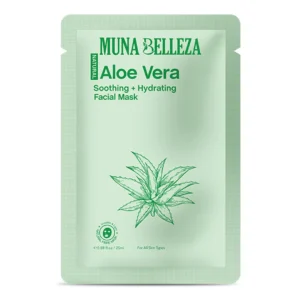 Aloe Vera Face Mask Sheet
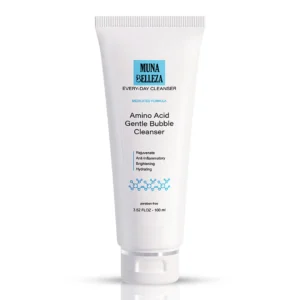 Amino Acid Gentle Bubble Cleanser
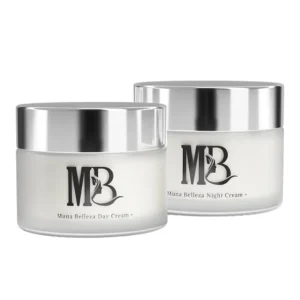 Day and Night Cream Set