 Gentle skincare for clear, even-looking skin
Your skin barrier is the thin outer layer of your skin that keeps water in and irritants out. When it is working, skin feels comfortable and looks smooth. When it is damaged, skin stings, feels tight, flakes or breaks out, often all in the same week.
The encouraging part is that the barrier repairs itself if you let it. Most of what helps is doing less, not more. Below, we explain what the barrier is, how to tell when yours is struggling, how long recovery takes and what to use in the meantime.
What is the skin barrier?
The skin barrier is the top layer of the skin, called the stratum corneum. It is only a few hundredths of a millimeter thick, about 15 to 20 layers of flattened cells.
Dermatologists describe it as a brick wall. The cells are the bricks. The mortar between them is a mix of natural fats, roughly half ceramides, with cholesterol and fatty acids making up most of the rest. That mortar is what stops water from escaping and keeps unwanted things from getting in.
On top sits a light film of oil, sweat and natural moisturizing substances that keeps the surface mildly acidic. That acidity matters, because the enzymes that build the mortar work best in it.
What is a damaged skin barrier?
A damaged skin barrier is one where the mortar has gaps. Water leaves the skin faster than it should, so the surface dries out. At the same time, things that normally stay outside, such as detergents, fragrance, pollution and bacteria, get in more easily and cause irritation.
That is why a damaged barrier causes two problems together: skin that is dry and skin that reacts to everything. Even products you have used for years can suddenly sting.
What are the signs of a damaged skin barrier?
The common signs of a damaged skin barrier are easy to recognize once you know them.
- Stinging or burning when you apply products, sometimes even plain moisturizer or water
- Tightness, especially after washing
- Rough, flaky or scaly patches
- Redness or blotchiness that was not there before
- Skin that looks dull and feels papery
- Sudden sensitivity to products you normally tolerate
- More breakouts than usual, often small bumps on dry, irritated skin
- Skin that feels oily and dry at once
One or two of these on a cold day is ordinary dryness. Several together, particularly the stinging, point to the barrier.
What damages the skin barrier?
Most damage comes from daily habits, which is good news, because habits can change.
- Over-exfoliating. Too many acids, scrubs or peel pads is the most common cause we see.
- Stacking strong ingredients, such as a retinoid, an acid and vitamin C all in one routine.
- Harsh cleansers. Traditional soap is far more alkaline than skin, and foaming washes that leave skin squeaky take the mortar with them.
- Hot water and long showers.
- Washing too often.
- Cold, dry or windy weather, and indoor heating or air conditioning.
- Sun exposure without protection.
- Fragrance and alcohol-heavy products on skin that is already irritated.
Some people also have a naturally weaker barrier. Eczema and rosacea both involve one, and so does aging skin, which makes fewer of its own fats.
Does a tingling product mean it is working?
No. This myth has damaged more barriers than winter has. Tingling, stinging and tightness are signs of irritation. A product can be effective and feel like nothing at all. If your routine regularly makes your face feel hot or tight, it is taking more from your skin than it gives.
How do you repair your skin barrier?
To repair your skin barrier, strip the routine back and give the skin what it needs to rebuild. It takes four steps.
1. Stop the things that irritate
Pause exfoliating acids, scrubs, retinoids, strong vitamin C and anything that stings. This is temporary. You can bring them back later, one at a time.
2. Cleanse gently, and less
Wash once or twice a day with a mild, low-foam cleanser and lukewarm water, and pat dry. Our Amino Acid Gentle Bubble Cleanser is fragrance-free and made to clean without leaving skin tight. In the morning, a rinse with water is often enough.
3. Moisturize with barrier-friendly ingredients
A good barrier moisturizer combines three kinds of ingredients.
- Humectants pull water into the skin. Look for glycerin, hyaluronic acid and panthenol.
- Emollients fill the gaps between cells. Ceramides, cholesterol, fatty acids, squalane and shea butter all do this.
- Occlusives slow water loss. Petrolatum is the classic one, and a thin layer over moisturizer at night can help very dry skin.
Niacinamide is worth adding, because it helps the skin make more of its own ceramides. We explain how in niacinamide for skin, and we cover the calming humectant in panthenol for skin.
Our Day and Night Cream Set contains niacinamide and panthenol in both jars, with shea in the day cream. One honest note: it does not contain ceramides, and the night cream is scented. If your skin is stinging right now, use the day cream morning and night until it settles, or choose a plain, fragrance-free ceramide cream.
4. Protect from the sun
UV light weakens the barrier further. Use a sunscreen of SPF 30 or higher every morning. Mineral formulas with zinc oxide tend to sting less on irritated skin. We do not make a sunscreen, so choose one that feels comfortable.
What should you avoid while your barrier recovers?
For the next few weeks, leave out exfoliants of every kind, retinoids, clay masks, alcohol-based toners, fragranced products, facial brushes and very hot water. Do not add several new “repair” products at once either. If your skin reacts, you will not know which one caused it. Calm skin needs a short list.
How long until your skin barrier is repaired?
How long until your skin barrier is repaired depends on how much damage there is.
Mild irritation, such as a few days of over-exfoliating, often feels better within days and settles in about two weeks. A more worn-down barrier usually takes four to six weeks, which matches the roughly four weeks skin takes to renew its outer layer. That cycle slows with age. Long-standing damage can take two to three months.
You will know it is working when products stop stinging. That is the first sign, and it comes before the flaking and redness fade.
Can you speed it up?
A little. Applying moisturizer to slightly damp skin, using a humidifier in dry rooms, sleeping enough and keeping showers short and lukewarm all help. Beyond that, the fastest route is consistency. There is no product that will heal your skin barrier overnight, and trying several in the hope of finding one usually slows things down.
How do you bring active ingredients back?
Wait until your skin has been calm for at least two weeks. Then reintroduce one product at a time, starting with two evenings a week, and leave a couple of weeks before adding the next. If stinging returns, step back. Many people find they need far fewer actives than they were using before.
Which of our products suit a recovering barrier?
Keep it simple. The cleanser and the day cream mentioned above cover the basics. Once the stinging has stopped and you want extra hydration, our Aloe Vera Face Mask Sheet combines glycerin, panthenol, centella and aloe with no exfoliating acids. It is scented, so we would not use it while skin is still actively irritated. You can see more gentle options in our picks for sensitive skin and dry skin.
When should you see a dermatologist?
See a dermatologist if your skin has not improved after four to six weeks of gentle care, if you have cracking, oozing or swelling, or if red, itchy patches keep returning. Those can be signs of eczema, rosacea or an allergy to an ingredient, and each needs its own treatment.
Can you damage your skin barrier permanently?
In healthy skin, no. The barrier is rebuilt constantly, so with the triggers removed it recovers. What can last is the habit that caused the damage. Keep the routine gentle afterward, and your barrier will mostly look after itself.
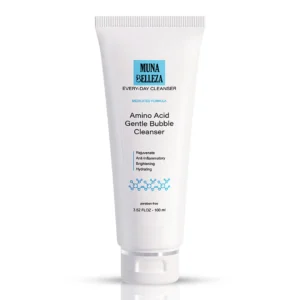 Amino Acid Gentle Bubble Cleanser
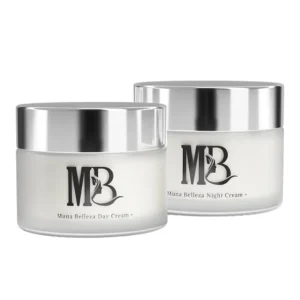 Day and Night Cream Set
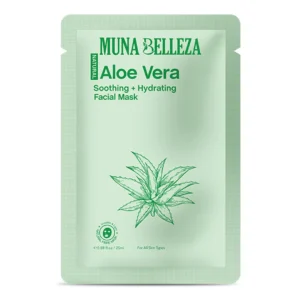 Aloe Vera Face Mask Sheet
Pingback: Can Dry Skin Cause Acne? Yes, Here's How
Pingback: How to Fix Dry Skin on Your Face Overnight
Pingback: How to Get Glowing Skin: 9 Habits That Work
Pingback: Sheet Mask Benefits, Side Effects and How Often to Use