 Gentle skincare for clear, even-looking skin
If you have searched for how to minimize pores, you have probably seen promises that a toner, an ice cube or a peel-off mask will make them vanish. None of them can. A pore is a permanent opening in the skin, and its basic size is set mostly by your genes.
What you can change is how big it looks. A pore that is clear, on skin that is firm and not too oily, is far harder to see than one that is stretched and full. This guide sorts the habits and ingredients that make a visible difference from the tricks that waste your time.
Can you really shrink a pore?
Not in the literal sense. A pore is the opening of a hair follicle with an oil gland attached, and it has no muscle around it. It cannot tighten, open or shut on command.
So when people ask how to shrink pores, the accurate answer is that you make them look smaller. Three things make a pore more noticeable, and each of them can be worked on.
- Oil and dead cells collecting inside, which stretch the opening and darken it
- A heavy flow of oil, which keeps the opening wide and the surface shiny
- Skin that has lost firmness, so the walls around the pore no longer hold it tight
Everything useful in this guide targets one of those three. If you want the background first, we explain the causes in large pores on your face.
How to minimize pores: the daily habits that work
These steps are the ones dermatologists recommend first, because they are low-risk and they add up.
Wash twice a day, gently
Cleanse morning and night, and after heavy sweating, with a mild cleanser and lukewarm water. Hot water and hard rubbing irritate skin, and irritated skin swells slightly, which makes pores stand out more. Our Turmeric Face Wash is sulfate-free and made for oily and combination skin. If your skin is on the dry or reactive side, the fragrance-free Amino Acid Gentle Bubble Cleanser is the softer choice.
Choose products that will not clog
Look for the words non-comedogenic or oil-free on moisturizer, sunscreen and makeup. Thick, greasy formulas can settle into pores and make them look larger by the end of the day.
Take makeup off every night
Foundation left on overnight mixes with oil and packs into the pore opening. A proper cleanse before bed is one of the simplest ways to reduce pores on your face over a few weeks.
Wear sunscreen daily
This is the step most people skip, and it matters more with every year. Sun exposure breaks down the collagen that keeps skin firm. As that support weakens, pores slacken and look wider. A broad-spectrum SPF 30 or higher, worn every morning, protects the firmness you still have. We do not make a sunscreen, so pick a light, non-comedogenic one you enjoy wearing.
Keep moisturizing
Skipping moisturizer does not make oily skin less oily. Dehydrated skin looks rougher, and rough skin shows every pore. A light lotion or gel is enough.
Which ingredients help pores look smaller?
A handful of ingredients have reasonable evidence behind them.
Salicylic acid
Salicylic acid is oil-soluble, so it can work inside the pore lining and loosen the mix of oil and dead cells sitting there. A cleared pore looks smaller almost at once, because it is no longer stretched or dark. Leave-on products usually contain 0.5 to 2 percent. We explain strengths and how often to use it in salicylic acid for skin.
Retinoids
Retinol and prescription retinoids speed up the shedding of cells inside the pore and, over months, support collagen. They are the ingredient with the most evidence for pore appearance. They can also irritate, so start two nights a week. Do not use them if you are pregnant or breastfeeding. We do not sell a retinoid, and a pharmacist or dermatologist can help you choose one.
Niacinamide
Niacinamide, a form of vitamin B3, has been shown in small studies to reduce surface oil, and less oil generally means less visible pores. It is gentle enough for most skin. Our guide to niacinamide for skin covers what the research does and does not show.
Alpha hydroxy acids
Glycolic and lactic acid smooth the surface so light reflects more evenly, which softens the look of pores. Use them a few times a week at most, and never on the same night as a retinoid when you are starting out.
Clay
A clay mask soaks up surface oil. The effect is real but short, usually a day or so. It is useful before an event and harmless once a week.
How do you get rid of large pores on oily skin?
You cannot get rid of large pores entirely, but oily skin responds well to a steady routine, because oil is the part you can control.
- Morning: gentle cleanser, light moisturizer, sunscreen
- Evening: cleanser, then salicylic acid or a retinoid on alternate nights, then moisturizer
- Once or twice a week: a clay or exfoliating mask in place of the evening active
Add one new product at a time and give it three to four weeks before judging. If your skin starts to sting or flake, you are doing too much, and pores will look worse, not better. Our guide to the skin barrier explains how to pull back.
How do you diminish pores on your nose?
The nose has more oil glands than anywhere else on the face, which is why pores there are the most visible. To diminish pores on your nose, focus on keeping them clear.
Apply salicylic acid to the nose a few times a week. Our Salicylic Acid Face Mask contains 2 percent salicylic acid with glycolic acid, and is used for 15 minutes once or twice a week. It is scented, and it is not suitable if you are allergic to aspirin.
Do not squeeze. Many of the grey dots on a nose are sebaceous filaments, which are normal and refill within weeks. Squeezing can stretch the opening for good. See sebaceous filaments vs blackheads to tell the two apart.
Can you close pores on your face?
No. This is the most persistent pore myth, so it is worth taking the common versions one at a time.
- Cold water or ice. You cannot close pores on your face with cold. Chilled skin tightens briefly, and the effect is gone in minutes.
- Steam. Steam does not open pores either. It softens the oil inside them, which is why extractions are easier afterward.
- Astringent toners. Alcohol-based toners strip oil and leave skin feeling tight. The feeling is dryness, and skin often answers with more oil.
- Pore strips. They lift the top of a plug and some fine hair. The pore refills, and frequent use can irritate.
- Scrubbing harder. Rough scrubs inflame skin and make pores more obvious.
Can you close pores permanently?
There is no cream, tool or home remedy that can close pores permanently, and you would not want one. Pores carry oil to the surface to keep skin supple, and they let sweat out to cool you down.
The longer-lasting options are in-office procedures. Chemical peels, microneedling and some laser treatments can firm the skin around pores and reduce their appearance for months. Results vary, they often need repeat sessions, and they should be done by a board-certified dermatologist.
How long before you see a difference?
Clearing out a clogged pore can show within a few days. Changes that depend on oil control usually take four to eight weeks. Anything that works through collagen, such as retinoids and sun protection, is measured in months. Take a photo in the same light once a month. It is a fairer judge than a magnifying mirror, which shows pores nobody else will ever see.
When should you see a dermatologist?
Book a visit if your pores come with frequent breakouts, if one pore is much larger than the rest or keeps filling with a dark plug, or if a careful routine has made no difference after three months. Acne that is left alone keeps pores clogged, and it responds well to proper treatment.
Where should you start?
Start with the three basics: a gentle cleanse twice a day, salicylic acid a few times a week and sunscreen every morning. Hold that for a month before adding anything. You can browse our picks for blackheads and pores or for oily skin if you want products chosen for the job.
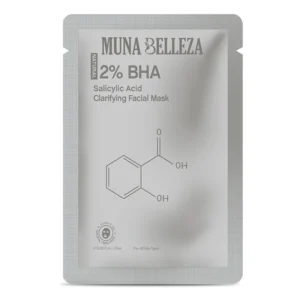 Salicylic Acid Face Mask
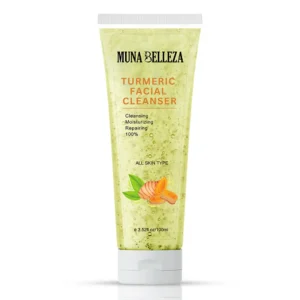 Turmeric Face Wash
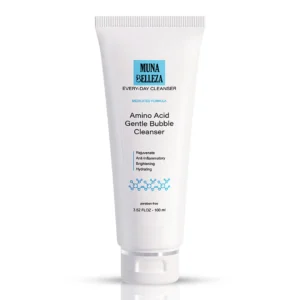 Amino Acid Gentle Bubble Cleanser

Pingback: Large Pores on Your Face: Why They Happen
Pingback: Skin Texture: What Causes Bumps and How to Smooth Them