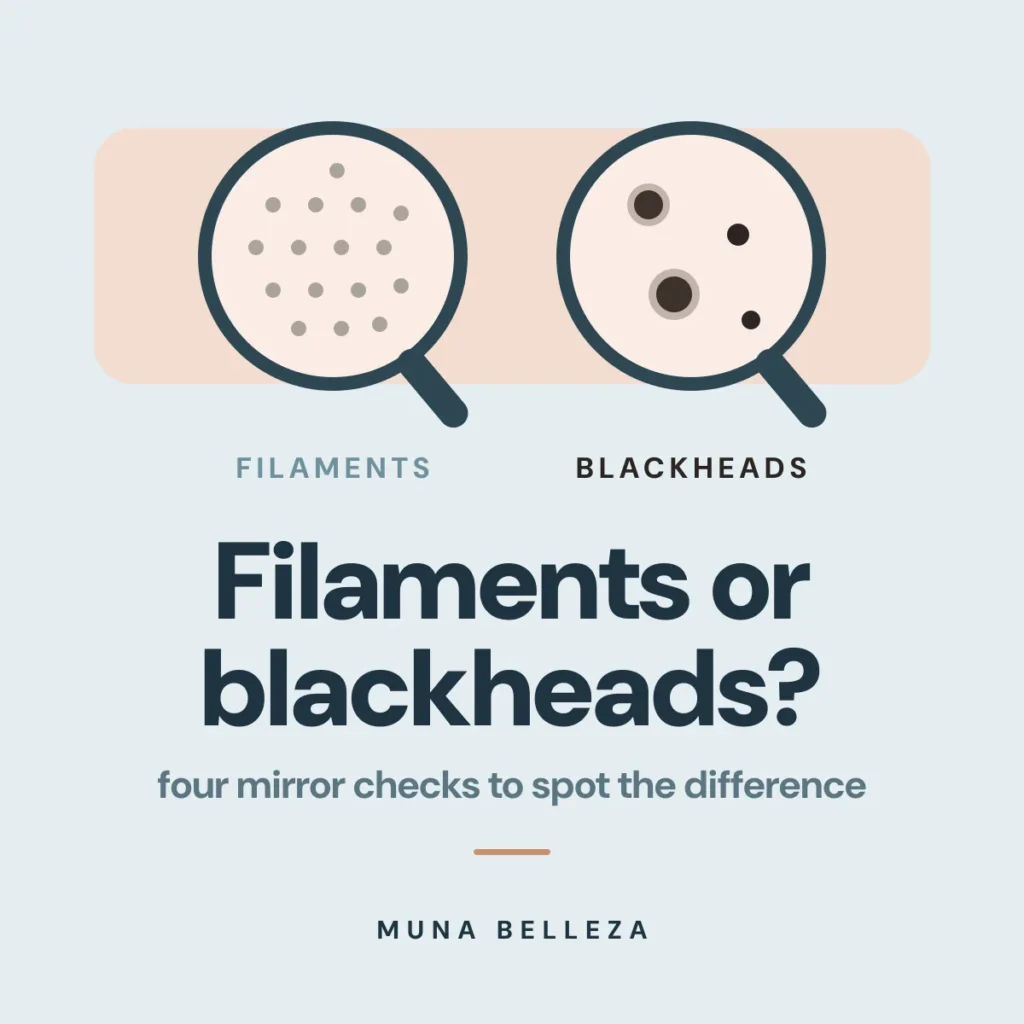
 Gentle skincare for clear, even-looking skin
Can dry skin cause acne? Yes, it can contribute, although not in the way oily skin does. Acne is usually pictured as a problem of too much oil, so breakouts on a face that feels tight and flaky seem to make no sense. They do, once you look at what dryness does to the surface of the skin.
This matters because the usual acne advice, which is to dry the skin out, makes this kind of breakout worse. Here we explain the link, how to recognize it and how to care for skin that is dry and breaking out at once.
Does dry skin cause acne directly?
Not by itself. Acne starts when a pore becomes blocked with oil and dead skin cells, and bacteria and inflammation follow. Hormones and genetics drive most of that.
So does dry skin cause acne in someone who would otherwise never get it? Rarely. What dryness does is tip skin that is already prone to breakouts over the edge, and make existing acne harder to settle. The American Academy of Dermatology puts it simply: dry skin is irritated skin, and irritated skin is more likely to break out.
How does dryness lead to breakouts?
Dry skin causes three changes that each make a clogged pore more likely.
Dead cells build up
Healthy skin sheds its dead cells invisibly. Dry skin sheds them badly. They cling together in flakes, and some of them collect around and inside the pore opening, where they form a plug.
The barrier lets irritants in
The outer layer of skin works as a barrier. When it is dry and cracked, cleansers, fragrance and bacteria get through more easily and set off inflammation. Inflamed skin produces angrier, redder spots. We explain how this layer works in our guide to the skin barrier.
Oil glands may respond
According to the AAD, when skin becomes dry the body makes more oil. That extra oil then meets the build-up of dead cells at the pore. This is why some people feel tight and flaky on the surface and still look shiny by the afternoon.
Can dry skin cause spots even if you rarely break out?
It can. If you are wondering whether dry skin can cause spots when you have never thought of yourself as acne-prone, the usual pattern is a cluster of small bumps that appears after something has dried you out. Common triggers are cold weather, air conditioning or indoor heating, a new foaming cleanser, long hot showers and overusing exfoliants.
These breakouts tend to fade once the dryness is corrected, which is a good clue that dryness was the cause.
What does dry skin acne look like?
Dry skin acne tends to look different from the oily kind.
- Small, rough, skin-colored or red bumps more than large oily pimples
- Flaking or peeling around and on top of the spots
- A tight feeling after washing
- Stinging when you apply products
- Makeup catching on dry patches
- Breakouts on the cheeks and around the mouth as well as the T-zone
If the bumps itch, appear in a sudden uniform crop or sit mainly around the mouth and nose, they may not be acne at all. Irritation, a yeast-related rash or perioral dermatitis can look similar, and a dermatologist can tell them apart.
Are acne products making your skin dry?
Very often, yes, and this is the most common route to the problem. Benzoyl peroxide, salicylic acid, adapalene and other retinoids all work, and all of them can dry and irritate the skin, especially in the first weeks.
People then react by using more of the product, or by skipping moisturizer because they fear it will clog pores. Skin gets drier, more irritated and more broken out, and the cycle repeats. If your acne got worse a few weeks after you started a strong routine, look at dryness before you blame the products for not being strong enough.
Will dry skin cause pimples if you stop moisturizing?
For many people it will. If you have asked yourself “will dry skin cause pimples if I skip my cream”, the honest answer is that skipping moisturizer is more likely to cause trouble than using one.
Dermatologists often include a moisturizer in acne treatment plans for exactly this reason. In studies, people who used a moisturizer alongside a retinoid had less dryness and irritation and were better able to keep using their treatment. The important part is the type of moisturizer you choose.
How do you care for skin that is dry and acne-prone?
The aim is to add water and comfort without adding anything that blocks pores.
Cleanse gently
Wash twice a day at most, with lukewarm water and a mild cleanser that does not leave skin squeaky. Our Amino Acid Gentle Bubble Cleanser has no added fragrance and lists glycerin second among its ingredients. Pat dry with a clean towel.
Moisturize every time you wash
Apply moisturizer while skin is still slightly damp. Look for the words non-comedogenic or oil-free on the label, and for humectants such as glycerin and hyaluronic acid, which draw water into the skin without feeling heavy.
Keep one acne active, and go slowly
You do not need to give up acne ingredients. Use one, at a low strength, and build up.
- Benzoyl peroxide at 2.5 percent is generally as effective as stronger versions and less drying.
- Salicylic acid at 0.5 to 1 percent, or a 2 percent product used once or twice a week, is enough for most dry skin. See salicylic acid for skin for how to pace it.
- Adapalene can be applied every second or third night at first, with moisturizer before and after.
Add a calming ingredient
Niacinamide helps the skin make more of its own barrier fats and can ease redness, which is why it suits skin that is both dry and spot-prone. We cover the evidence in niacinamide for skin. Both creams in our Day and Night Cream Set are made with niacinamide plus panthenol. Only the night jar has added scent, so test it on a small area first if your skin reacts easily.
Protect in the morning
Sun dries skin further and can darken the marks that spots leave. Use a non-comedogenic sunscreen of SPF 30 or higher. We do not make one, so choose a texture you find comfortable.
What should you avoid?
- Alcohol-based toners and astringents
- Gritty scrubs and cleansing brushes
- Washing more than twice a day
- Hot water on the face
- Using several acne actives together
- Picking at flakes or spots
- Thick, greasy balms on breakout-prone areas, which can trap what is already in the pore
How long does it take to settle?
Tightness and stinging often ease within one to two weeks of gentler care. The bumps take longer. Give a new routine six to eight weeks, because a pore that is clogged today can take that long to clear and for new ones to stop forming.
A weekly hydrating mask can help in the meantime. Our Aloe Vera Face Mask Sheet is acid-free and built around humectants and soothing extracts, including glycerin, centella and panthenol. Because it is fragranced, save it for days when nothing is stinging.
When should you see a dermatologist?
See a dermatologist if you have deep, painful lumps, if spots are leaving scars or dark marks, or if nothing has improved after two to three months. Go sooner if the bumps itch or burn, since that points away from acne. Prescription treatments can be matched to dry skin, and they work better when you start them early.
So, can dry skin cause acne?
Dry skin does not create acne from nothing, but it makes breakouts more likely and existing acne more stubborn. Treat the dryness and the spots together, gently, and both usually improve. You can find suitable products in our picks for dry skin and acne-prone skin.
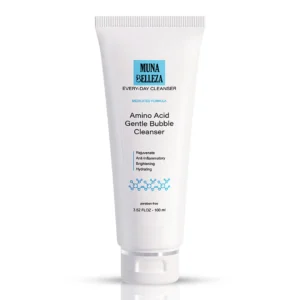 Amino Acid Gentle Bubble Cleanser
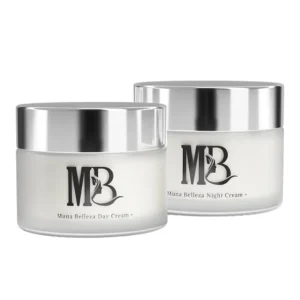 Day and Night Cream Set
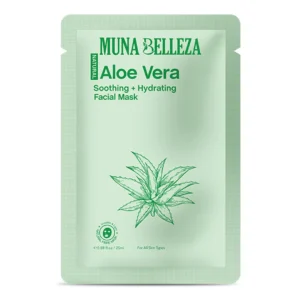 Aloe Vera Face Mask Sheet