 Gentle skincare for clear, even-looking skin
If you want to know how to get glowing skin, start with what glow is. It is not a product or a finish. It is what you see when the surface of the skin is smooth and well hydrated, so light reflects off it evenly instead of scattering. Healthy circulation underneath adds the warmth people describe as radiance.
That definition is useful, because it tells you what to work on: a smoother surface, more water in the skin, even tone and good general health. The nine habits below cover all four. None of them is dramatic, and together they are what works.
Why does skin look dull?
Dullness has a few common causes, and most people have more than one.
- Dead cells building up on the surface, which make it rough and matte
- Dehydration, which leaves skin flat and emphasizes fine lines
- Uneven tone from sun exposure, old marks or redness
- Slower cell turnover with age
- Lack of sleep, smoking and stress, which reduce blood flow to the skin
- Over-exfoliating, which strips the surface and leaves it tight and irritated
The last one matters. Many people chase glow with stronger and stronger products, and end up duller than when they started.
How do you get glowing skin? 9 habits that work
If you are asking how do you get glowing skin without a complicated routine, these are the habits that make a visible difference.
1. Cleanse gently, every night
Makeup, sunscreen, oil and pollution left on overnight dull the surface and clog pores. Wash every evening with a mild cleanser that does not leave your face tight. Our Amino Acid Gentle Bubble Cleanser is fragrance-free.
2. Exfoliate once or twice a week
Removing the layer of dead cells is the quickest way to restore reflection. Use a chemical exfoliant, not a gritty scrub. Our guide to chemical exfoliation explains how to choose one. Lactic and glycolic acid smooth the surface, and salicylic acid suits oily or congested skin. Once or twice a week is enough. More than that works against you. We explain what a healthy surface looks like in skin texture.
3. Hydrate with humectants
Water is what makes skin look plump and luminous. Humectants draw it in and hold it there. Look for hyaluronic acid, glycerin and panthenol, and apply them to slightly damp skin.
4. Seal it with moisturizer
A humectant without a moisturizer on top can lose its water to the air. A cream or lotion locks it in and smooths the surface. This step gives an immediate, visible lift, even on oily skin, where a light gel is enough.
5. Use vitamin C in the morning
Vitamin C is the best-studied ingredient for brightness. It protects against the daily damage that dulls skin, and it helps even out tone over time. Read more in vitamin C serum benefits. Our Double Vitamin C Serum combines vitamin C with hyaluronic acid and has no added fragrance or oils. We do not state its percentage.
6. Wear sunscreen every day
Sun is the main cause of dullness, dark spots and rough texture over the years. A broad-spectrum SPF 30 or higher, every morning, protects the glow you are building and prevents the damage that takes it away. We do not make a sunscreen.
7. Sleep seven to nine hours
Skin repairs itself at night, and blood flow to the skin increases during sleep. After a short night, skin is paler, less hydrated and more shadowed around the eyes. No serum makes up for it.
8. Eat and drink sensibly
Skin reflects your overall diet. Fruit and vegetables supply vitamin C and other antioxidants, oily fish, nuts and seeds supply healthy fats that support the skin barrier, and adequate protein supports repair. Drink enough that you are not thirsty. Extra water beyond that will not change your skin much, but dehydration does show.
9. Move, and manage stress
Exercise raises circulation, which brings oxygen and nutrients to the skin and gives a natural flush. Wash your face afterward. Long-term stress has the opposite effect, slowing repair and triggering breakouts and flares, so whatever helps you unwind is also skincare.
How can we get glowing skin faster for an event?
People often ask how can we get glowing skin in a day or two. You cannot rebuild skin that quickly, but you can make the most of what you have.
- The night before, use a hydrating sheet mask for 15 to 20 minutes, then moisturizer. Our Aloe Vera Face Mask Sheet is a simple hydrating option, and our Turmeric Face Mask Sheet adds niacinamide and a vitamin C derivative with no added fragrance. The aloe mask is scented.
- Sleep properly.
- In the morning, massage in your moisturizer for a full minute with upward strokes. It boosts circulation for an hour or two.
- Use a hydrating primer or a little liquid highlighter on the tops of the cheekbones.
- Go lightly with powder, which flattens reflection.
Do not try a new acid, peel or retinoid within a week of an event. A reaction is the opposite of a glow.
How to get glowing skin: which ingredients help most?
- Vitamin C, for brightness and protection
- Niacinamide, for even tone, a stronger barrier and smoother-looking pores. See niacinamide for skin.
- Alpha hydroxy acids, for surface smoothness
- Hyaluronic acid and glycerin, for hydration
- Retinoids, for long-term renewal. They should be avoided in pregnancy, and we do not sell one.
- Ceramides and squalane, to keep the barrier intact
You do not need all of them. A cleanser, one brightening serum, a moisturizer and sunscreen cover most of the benefit.
What should you avoid?
- Harsh scrubs and daily exfoliation
- Lemon juice, baking soda and other kitchen remedies, which irritate
- Very hot water
- Piling on many actives at once
- Tanning. A tan is a sign of skin damage, and it leads to dullness later.
- Smoking
- Expecting oil to replace hydration. Face oils add shine, but shine and glow are different things.
If your skin stings, feels tight or looks shiny and thin, you have overdone it. Our guide to the skin barrier explains how to recover.
Does glow look different by skin type?
- Dry skin needs more moisture and less exfoliation. Richer creams give the biggest change.
- Oily skin already has shine, and the goal is clarity. Salicylic acid and light hydration help.
- Sensitive skin should rely on hydration and sunscreen, with very gentle exfoliation at most.
- Deeper skin tones can look ashy when dry, so regular moisturizing makes a marked difference, and even tone is often the priority. See uneven skin tone.
How long does it take?
Hydration shows within hours. Gentle exfoliation shows in one to two weeks. Vitamin C and niacinamide need six to twelve weeks for tone. The benefits of sunscreen, sleep and diet build over months and last the longest.
How to have glowing skin for the long term
Knowing how to have glowing skin over years comes down to protecting it more than polishing it. Wear sunscreen, keep the routine gentle, sleep and look after your health. Products help at the edges. Habits do most of the work.
See a dermatologist if dullness comes with persistent redness, flaking, itching or new dark patches, since a skin condition may be behind it. You can browse our picks for dull skin and our face serums.
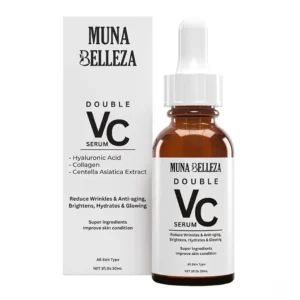 Double Vitamin C Serum
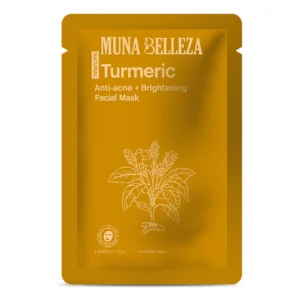 Turmeric Face Mask Sheet
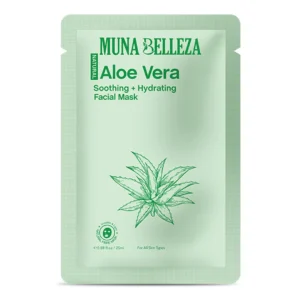 Aloe Vera Face Mask Sheet