 Gentle skincare for clear, even-looking skin
The best skincare routine for oily skin is shorter than most people expect. Four steps in the morning, four at night and one extra once or twice a week will do more for shine than a shelf of mattifying products.
The reason is simple. Oily skin does not need to be dried out. It needs to be kept clean, lightly hydrated and protected, so the oil glands are not provoked into making even more. Here is the routine step by step, with the reasoning behind each choice.
What does oily skin need from a routine?
Oil, or sebum, is useful. It keeps skin supple and slows water loss, and oily skin tends to show fine lines later than dry skin does. The trouble starts when there is more of it than the surface can use. It collects in pores, mixes with dead cells and leaves the face shiny by midday. We look at the reasons behind it in why is my skin so oily.
A good routine has three jobs: lift away excess oil without stripping, keep pores clear from the inside and give the skin enough water that it stays comfortable. Everything else is optional.
What is the best skincare routine for oily skin in the morning?
Step 1: Cleanse
Wash with a gentle foaming cleanser and lukewarm water for about 30 seconds. Dermatologists recommend a mild face wash over a strong one, because a harsh cleanser irritates skin and can lead it to produce more oil. Our Turmeric Face Wash was formulated with oily and combination skin in mind. It foams without sulfates, and it includes aloe and sodium hyaluronate so your face feels clean but comfortable.
Step 2: A light serum (optional)
This is the place for one targeted ingredient. Niacinamide is a good choice for oily skin, since studies link it to less surface oil and smoother-looking pores. Vitamin C is another, as it defends against the daily damage that dulls skin. Our Double Vitamin C Serum is water-light, with no added oils or fragrance. Choose one serum, not three.
Step 3: Moisturize
Do not skip this. Skin that is left without moisture feels tight, and many people respond by washing more, which starts a cycle of oiliness. Pick a gel or light lotion labeled oil-free or non-comedogenic, with humectants such as glycerin or hyaluronic acid. A pea-sized amount is enough.
Step 4: Sunscreen
Use a broad-spectrum SPF 30 or higher every morning. Gel, fluid and matte-finish sunscreens sit best on oily skin, and many double as a moisturizer if you prefer a single layer. We do not make a sunscreen, so look for one marked non-comedogenic.
What should the evening routine look like?
Step 1: Remove makeup and sunscreen
If you wear makeup or water-resistant sunscreen, take it off first with micellar water or a light cleansing balm that rinses clean. Then wash. On bare-skin days you can go straight to your cleanser.
Step 2: Cleanse
Use the same gentle wash as the morning. Twice a day is the limit, plus once after heavy sweating.
Step 3: Apply one active
Night is when you use the ingredient that does the deeper work. Alternate nights instead of layering.
- Salicylic acid works inside the pore to loosen oil and dead cells. Our guide to salicylic acid for skin explains strengths and frequency.
- A retinoid, such as retinol or adapalene, keeps pores from clogging and improves texture over months. Start with two nights a week. We do not sell one, and it should be avoided in pregnancy.
- Niacinamide can be used nightly if your skin tolerates it. We cover it in niacinamide for skin.
Step 4: Moisturize
Finish with the same light moisturizer. If your skin feels dry from the active, use a little more. If you like a cream at night, apply a thin layer. Our Day and Night Cream Set includes niacinamide in both jars, although the day cream contains shea butter, so very oily skin may prefer a gel texture.
What should you add once or twice a week?
One weekly treatment is plenty.
- A clay mask absorbs surface oil and leaves skin looking matte for a day or so.
- An exfoliating mask clears build-up inside pores. Our Salicylic Acid Face Mask pairs a 2 percent BHA with glycolic acid, and 15 minutes is all it needs. On mask night, leave out your usual active. Two things to know: the formula is fragranced, and anyone with an aspirin allergy should avoid salicylic acid.
Do not use both in the same week when you are starting out.
Does oily skin need a toner?
Not necessarily. A toner is an extra, and the old-style astringent kind, heavy in alcohol, tends to do more harm than good. If you enjoy the step, choose an alcohol-free formula with a mild exfoliant or a soothing ingredient, and use it after cleansing at night. We look at one classic toner ingredient, and its limits, in witch hazel for skin.
Which ingredients suit oily skin, and which do not?
Helpful ingredients to look for:
- Salicylic acid
- Niacinamide
- Retinoids
- Hyaluronic acid and glycerin
- Clay, such as kaolin or bentonite
- Zinc, in some sunscreens and serums
Ingredients and products to be careful with:
- Alcohol-based toners, which leave skin tight and irritated
- Heavy oils and thick balms on the T-zone
- Gritty scrubs and stiff cleansing brushes
- Strong soaps that leave a squeaky feeling
How do you handle shine during the day?
Blotting papers are the simplest tool. Press a sheet against the skin for a few seconds and lift it away. Do not rub, because that spreads oil around. A light dusting of powder on the forehead, nose and chin helps too.
Try not to wash your face a third or fourth time, and keep your hands away from it. Touching moves oil and bacteria from your fingers to your skin.
Does the routine change in hot or humid weather?
A little. Heat and humidity increase oil flow, so in summer you may want a lighter moisturizer or a sunscreen that covers both steps. In cold weather or constant air conditioning, oily skin can become dehydrated, which means it lacks water while still making oil. If your face feels tight and shiny at once, add a hydrating serum and ease off the exfoliation.
Which mistakes make oily skin worse?
- Washing too often or with very hot water
- Skipping moisturizer or sunscreen
- Using several actives every night
- Changing products every week
- Sleeping in makeup
- Squeezing pores, which can stretch them. Our guide on how to minimize pores covers safer options.
How long until you see results?
Shine after cleansing improves within days once you stop over-washing. Clearer pores and fewer breakouts take four to eight weeks, and retinoids need about three months. Introduce one new product at a time, two weeks apart, so you can tell what is helping.
When should you see a dermatologist?
See a dermatologist if oiliness comes with painful or frequent breakouts, if it appeared suddenly along with other changes such as irregular periods or new facial hair, or if eight weeks of a steady routine has made no difference. Prescription treatments can reduce oil production in ways that skincare cannot.
A simple skin care routine for oily skin at a glance
- Morning: gentle cleanser, optional serum, light moisturizer, sunscreen
- Evening: makeup removal if needed, gentle cleanser, one active, light moisturizer
- Weekly: one clay or exfoliating mask
That is the whole skin care routine for oily skin. Keep it consistent for two months before you judge it. You can browse products we have chosen for oily skin and compare our cleansers.
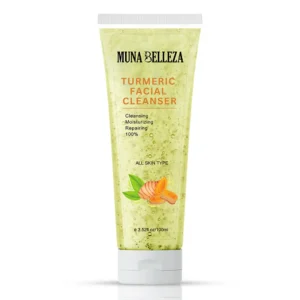 Turmeric Face Wash
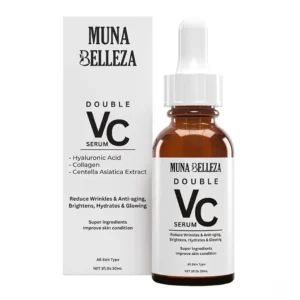 Double Vitamin C Serum
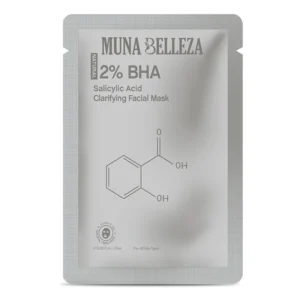 Salicylic Acid Face Mask