 Gentle skincare for clear, even-looking skin
“Why is my skin so oily?” is usually asked around midday, a few hours after a careful wash, when the forehead and nose are shining again. It can feel as if your skin is working against you. In fact it is doing something normal, only more of it than you would like.
Oil has several possible sources, and some of them are things you can change. This guide goes through the seven most common causes with a practical fix for each, then helps you work out if your skin is truly oily or if something else is going on.
Why is my skin so oily? Start with what the oil is
The oil is sebum, a blend of fats made by sebaceous glands attached to your hair follicles. It coats the surface, keeps skin flexible and slows the loss of water. Everyone makes it. Skin is described as oily when the glands produce more than the surface needs, which leaves shine, a greasy feel and pores that fill easily.
The glands are most concentrated on the forehead, nose and chin, which is why the T-zone shows oil first.
What causes oily skin? 7 common reasons
When people ask what causes oily skin, the answer is rarely one thing. These are the usual contributors.
1. Genetics
Gland size and activity run in families. If your parents had oily skin, yours probably started that way too.
The fix: you cannot change the setting, but a steady routine keeps the result under control. Inherited oiliness responds well to the right products.
2. Hormones
Androgens, the hormones that rise at puberty, signal the glands to grow and produce more. That is why oiliness peaks in the teens and twenties. Many women also notice more oil in the week before a period, and during other hormonal shifts.
The fix: track when it worsens. If oiliness arrives with irregular periods, new facial hair or stubborn jawline acne, mention it to a doctor, because hormonal causes can be treated.
3. Age
Sebum production is highest in early adulthood and declines gradually afterward, more sharply in women after menopause. Skin that was very oily at 20 is often balanced by 45.
The fix: review your products every few years. A routine built for teenage oil can be too drying a decade later.
4. Heat and humidity
Oil flows more freely as skin warms up, and sweat spreads it across the surface. People living in hot, humid climates, or moving between summer heat and air conditioning, see more shine.
The fix: switch to lighter textures in warm months, and carry blotting papers.
5. Over-cleansing
This is the cause people most often create themselves. Washing many times a day, scrubbing or using harsh cleansers strips the surface and irritates it. Dermatologists warn that a face wash that is too strong can trigger more oil, not less.
The fix: wash twice a day with a gentle cleanser. Our Turmeric Face Wash is sulfate-free and suited to oily and combination skin.
6. The wrong products
Heavy creams, rich oils and pore-clogging makeup add a greasy layer of their own. Skipping moisturizer altogether causes a different problem, because skin that is short on water feels tight and can look shinier.
The fix: choose products labeled oil-free or non-comedogenic, and keep a light moisturizer in your routine.
7. Stress, sleep and diet
Stress hormones can stimulate oil glands, and many people break out during hard weeks. The evidence on diet is less settled, but some studies link high-sugar, high-glycemic eating to more sebum and acne.
The fix: treat this as a supporting factor. Sleep, regular meals and less refined sugar help skin in general, even if they will not switch oil off.
Can medicines or health conditions make skin oily?
Sometimes. Certain hormonal treatments, some contraceptives, steroids and a few other medicines can increase oil. Polycystic ovary syndrome is a common hormonal cause in women. If you are unsure what causes skin to be oily in your case, and it changed suddenly, a doctor can check for an underlying reason.
Why does skin feel dry and oily at once?
Dry, oily skin sounds like a contradiction, but it is common. Usually it means one of two things.
The first is combination skin, where the T-zone is oily and the cheeks are normal or dry. That is simply how the glands are distributed.
The second is dehydrated skin. Dryness is a lack of oil. Dehydration is a lack of water. Skin can be making plenty of oil and still be short of water, often after harsh cleansing, strong acne products or long hours in air conditioning. It feels tight and looks dull, with shine on top. The answer is to add water with a hydrating serum or light moisturizer and to ease off anything stripping. If stinging has joined the tightness, read our guide to the skin barrier.
How to tell if you have oily or dry skin
Here is how to tell if you have oily or dry skin with a simple test at home.
- Wash your face with a gentle cleanser and pat it dry.
- Apply nothing at all.
- Wait one hour, then look closely in good light and press a clean tissue or blotting sheet to your forehead, nose, cheeks and chin.
What you see tells you your type.
- Oily: shine across the whole face, and oil on the tissue from every area
- Combination: oil on the forehead, nose and chin, little or none from the cheeks
- Normal: comfortable, with barely a trace on the tissue
- Dry: tight, perhaps flaky, and nothing on the tissue
If you want to know how to know if you have oily or dry skin over the longer term, watch how it behaves by mid-afternoon on an ordinary day. Skin type can also shift with the seasons, so it is worth repeating the test in summer and winter.
What are the best lotions for oily skin?
The best lotions for oily skin are light, water-based and free of heavy oils. On the label, look for:
- The words oil-free or non-comedogenic
- A gel, gel-cream or fluid texture
- Humectants such as glycerin and hyaluronic acid
- Niacinamide, which studies link to lower surface oil. We explain how in niacinamide for skin.
Use a pea-sized amount on damp skin. In the morning, a moisturizer with SPF 30 or higher can cover two steps at once.
A note on our own range: our day cream contains shea butter, which very oily skin may find rich. If that is you, a hydrating serum under sunscreen may be all you need by day. Our Double Vitamin C Serum has glycerin and hyaluronic acid high on its ingredient list and no added oils.
What calms oily skin down?
The short version is to cleanse gently, hydrate lightly, use one pore-clearing active and protect from the sun. Salicylic acid is the most useful active for most people, and a weekly treatment such as our Salicylic Acid Face Mask is an easy way to start. It is scented, and it should be avoided by anyone allergic to aspirin.
We have laid out the full morning and evening steps in our skincare routine for oily skin.
Is oily skin a bad thing?
Not at all. Oily skin tends to be thicker and better protected, and it often shows fine lines later. The goal is balance, not a face with no oil.
When should you see a dermatologist?
See a dermatologist if oiliness is sudden or severe, if it comes with painful acne, or if two months of gentle, consistent care has not helped. Prescription options, including retinoids and hormonal treatments, can reduce oil at its source. You can also browse the products we have chosen for oily skin and combination skin.
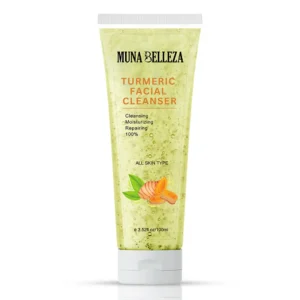 Turmeric Face Wash
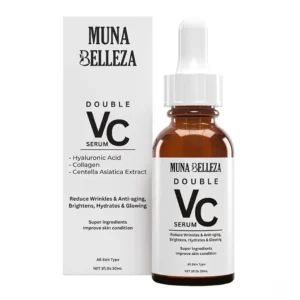 Double Vitamin C Serum
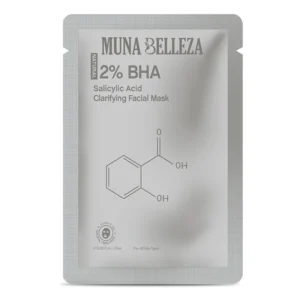 Salicylic Acid Face Mask
Pingback: The Best Skincare Routine for Oily Skin, Step by Step