 Gentle skincare for clear, even-looking skin
Working out how to get rid of redness on your face starts with one question: why is it red? A flush after exercise, a sting from a new serum and the lasting pinkness of rosacea look alike in the mirror, yet they need different responses.
The good news is that the first steps are the same for nearly all of them, and they are gentle. This guide covers what to do today, the common causes and how to tell them apart, the ingredients that calm the look of red skin and the signs that mean a doctor should take a look.
How can you reduce redness on your face quickly?
If you need to reduce redness on your face quickly, these steps help within minutes to hours. They calm the skin. They do not cure an underlying condition.
- Cool it down. Hold a clean cloth soaked in cool water against the skin for five to ten minutes. Avoid ice directly on the face, which can cause more flushing afterward.
- Stop everything active. Put away acids, retinoids, scrubs, vitamin C and anything that tingles.
- Rinse with lukewarm water only, or use a very mild cleanser, and pat dry.
- Apply a plain, fragrance-free moisturizer while skin is damp.
- Stay out of heat. Skip the hot shower, sauna and hard workout for the day.
- Leave it alone. Rubbing and touching keep the blood flowing to the surface.
- Cover if you need to. A green-tinted primer or concealer under your usual makeup neutralizes red tones for an event.
If your skin is hot and sore from the sun, add cool showers and extra moisturizer, and keep the area covered outdoors until it settles.
What causes redness on the face?
Redness on the face means more blood is flowing through the small vessels near the surface, usually because of heat, irritation or inflammation. On deeper skin tones the same process may look dusky, purple or brown instead of red, and warmth or tenderness can be the clearer clue.
Irritation from products
This is the most common cause. Over-exfoliating, a harsh cleanser, too many actives or a product your skin dislikes will leave it pink, tight and stinging. It improves within days once the trigger stops.
Allergic reactions
An allergy to something that touched your skin, often fragrance, hair dye, preservatives or nickel, causes an itchy red rash where it made contact. It can appear a day or two after exposure, which makes the cause harder to spot.
Rosacea
Rosacea often starts as a tendency to flush easily. Over time the redness across the cheeks, nose, chin or forehead lasts longer, and small visible vessels or acne-like bumps may appear. It is long-term, and it is very treatable.
Seborrheic dermatitis
This causes red skin with fine or greasy scale in the creases beside the nose, in the eyebrows and along the hairline. It usually needs medicated treatment to clear.
Eczema and perioral dermatitis
Eczema brings very dry, itchy, inflamed patches. Perioral dermatitis shows as small red bumps around the mouth, nose or eyes.
Acne and the marks it leaves
Inflamed spots are red, and flat pink or red marks can linger for weeks after a spot has gone. We explain those marks in dark spots after acne.
Sun, heat and flushing
Sunburn, hot weather, exercise, alcohol, spicy food, hot drinks and strong emotion all widen blood vessels. Years of sun exposure can also leave permanent redness and visible vessels.
Medical causes
Some medicines, menopause and, rarely, conditions such as lupus cause facial redness. Lupus can produce a butterfly-shaped rash across the cheeks and nose.
How do you know which kind you have?
A few questions narrow it down.
- Does it come and go within an hour or two? That points to flushing from heat, food, alcohol or emotion.
- Did it start after a new product, or after stepping up an active? Think irritation or allergy.
- Does it sting or feel tight? Irritation and a weakened skin barrier are likely.
- Does it itch? Allergy, eczema or seborrheic dermatitis are more likely.
- Is there scale? Consider seborrheic dermatitis, eczema or psoriasis.
- Has it lasted for months across the center of the face? Ask a doctor about rosacea.
How to reduce redness on your face over the long term
Once the immediate flare has calmed, a steady routine is how to reduce redness on your face and keep it from returning.
Cleanse gently
Use a mild, fragrance-free cleanser with lukewarm water, no more than twice a day. Our Amino Acid Gentle Bubble Cleanser is made without fragrance and does not leave skin feeling stripped.
Moisturize morning and night
A well-moisturized surface is less reactive. Look for glycerin, ceramides, squalane and the soothing ingredients listed below.
Wear sunscreen every day
Ultraviolet light is one of the most common triggers for flushing and rosacea flares. Mineral sunscreens with zinc oxide or titanium dioxide tend to be the best tolerated. We do not make a sunscreen.
Keep the routine short
Three or four products are enough. Reactive skin does better with fewer ingredients to respond to.
Reintroduce actives slowly
When skin has been calm for two weeks, bring back one product at a time, a couple of nights a week. If redness returns, you have found a trigger. Our guide to the skin barrier covers this recovery period in detail.
Which ingredients calm the look of red skin?
- Niacinamide supports the skin barrier and can reduce the appearance of blotchiness. See niacinamide for skin.
- Centella asiatica, also called cica, is widely used to soothe irritated skin. We look at the evidence in centella asiatica for skin.
- Panthenol hydrates and comforts. Read more in panthenol for skin.
- Aloe vera cools and hydrates, especially after sun.
- Colloidal oatmeal and allantoin are classic choices for itchy, reactive skin.
- Azelaic acid is used for rosacea-type redness and bumps, in over-the-counter and prescription strengths. We do not sell it.
The day cream in our Day and Night Cream Set brings together niacinamide, panthenol and aloe. Our Aloe Vera Face Mask Sheet adds centella and panthenol, although it contains fragrance, so patch test it first and avoid it during an active flare.
What should you avoid?
- Fragrance and essential oils
- Alcohol-based toners and astringents
- Menthol, camphor and witch hazel on reactive skin
- Physical scrubs and cleansing brushes
- Very hot water and steam
- Steroid creams on the face without medical advice. They can ease redness briefly and then make it worse.
Can you get rid of redness of the face for good?
That depends on the cause. If it comes from irritation, allergy or sunburn, you can get rid of redness of the face completely by removing the trigger and letting the skin recover. If it comes from rosacea, eczema or seborrheic dermatitis, it can be controlled very well, but it tends to return without ongoing care. Visible vessels and long-standing redness from sun damage usually need in-office laser or light treatment.
How can you quickly reduce redness on your face before an event?
To quickly reduce redness on your face on the day, use a cool compress for ten minutes, apply a soothing moisturizer and let it sink in, then use a thin layer of green color corrector on the red areas before foundation. Choose mineral or sensitive-skin makeup, and remove it gently that night.
When should you see a doctor?
Dermatologists advise making an appointment if facial redness lasts longer than two weeks. Go sooner if you have:
- Swelling of the face, lips or eyes, or trouble breathing. This is an emergency.
- Blisters, crusting, pain or fever
- A rash that is spreading
- Redness with joint pain, tiredness or sensitivity to sunlight
- Eye irritation along with a red face
A diagnosis matters, because the treatments for rosacea, eczema and seborrheic dermatitis are quite different from each other.
How to get rid of redness on your face: the simple plan
Calm first, then find the cause. Cool the skin, strip your routine back to a gentle cleanser, a plain moisturizer and sunscreen, and give it two weeks. If the redness has gone, reintroduce products one at a time. If it has not, see a dermatologist. You can browse gentle options in our picks for sensitive skin.
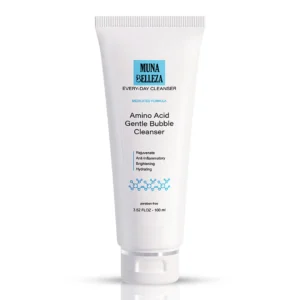 Amino Acid Gentle Bubble Cleanser
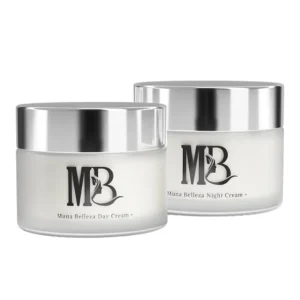 Day and Night Cream Set
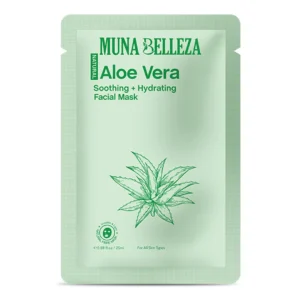 Aloe Vera Face Mask Sheet