 Gentle skincare for clear, even-looking skin
Skin texture is how the surface of your skin feels under your fingers and how evenly it reflects light. When it is even, skin looks smooth and makeup sits well. When it is not, you notice small bumps, rough patches, visible pores or a slightly grainy finish, even if the color of your skin is perfectly uniform.
Almost everyone has some texture, and a good deal of it is normal. The parts that bother people usually come from a handful of causes, such as dead cell build-up, clogged pores and dryness, and each responds to a different kind of care. This guide helps you work out which one you have and what will smooth it.
What is skin texture, exactly?
If you are asking what is skin texture, think of it as the landscape of the skin, as opposed to its color. Tone is about pigment and redness. Texture is about shape: whether the surface is flat and soft or raised, rough and uneven.
Real skin is never glass-smooth. It has pores, fine hairs and tiny lines that move when you do. Filters and studio lighting have made that look like a flaw, but it is simply skin. What is worth working on is texture that is new, rough to the touch or clearly raised.
What causes uneven skin texture on your face?
Uneven skin texture on your face usually comes from one or more of the following. Run a clean fingertip over the area in good light and see which description fits.
Dead cell build-up
Skin sheds its outer cells roughly every four weeks, and the process slows with age. When old cells linger, the surface feels rough and looks dull or flaky.
Clogged pores
Tiny, skin-colored bumps that you feel more than see, often on the forehead and chin, are usually closed comedones. They form when oil and dead cells block a pore beneath the surface. We explain them in whiteheads vs blackheads.
Dryness and dehydration
Skin that is short of oil or water looks crinkled and feels coarse. Fine, criss-cross lines that vanish when you moisturize are a sign of dehydration, not aging.
Enlarged pores
Visible pores give the cheeks and nose an orange-peel look. Our guide to large pores on your face covers why they appear.
Acne scars
Shallow dents or raised areas left after breakouts change the surface permanently unless they are treated.
Sun damage
Years of sun thicken and roughen the skin, and they break down the collagen that keeps it smooth.
Milia and keratosis pilaris
Milia are small, hard, white bumps, often around the eyes. Keratosis pilaris causes rough, pinpoint bumps, mostly on the upper arms and thighs and sometimes on the cheeks. Both are harmless.
Irritation
Over-exfoliated or reactive skin can turn rough, bumpy and tight. If texture appeared after you started a strong product, this is the likely cause.
How to improve skin texture, step by step
Here is how to improve skin texture with a routine that suits most causes. Go slowly. Doing too much is the most common reason texture gets worse.
1. Cleanse without stripping
Use a gentle cleanser twice a day. A harsh wash leaves the surface dry and rough. Our unscented Amino Acid Gentle Bubble Cleanser is a good fit here.
2. Exfoliate with acids, not scrubs
Chemical exfoliants loosen the bonds between dead cells so they shed evenly. Gritty scrubs can scratch and inflame. We compare the options in chemical exfoliation.
- Salicylic acid, a BHA, works inside pores, so it suits bumps and congestion. Read more in salicylic acid for skin.
- Glycolic and lactic acid, both AHAs, work on the surface, so they suit roughness and dullness.
- PHAs such as gluconolactone are the gentlest choice for sensitive skin.
Start once a week and build to two or three times at most. Our Salicylic Acid Face Mask gives you a BHA and an AHA together, 2 percent salicylic with glycolic, in a 15-minute weekly treatment. Be aware that it has added fragrance, and that salicylic acid is off limits for people with an aspirin allergy.
3. Add a retinoid at night
Retinol and adapalene speed up cell turnover and support collagen, which helps bumps, pores and fine lines over time. Begin two nights a week, not on exfoliation nights. Retinoids are not recommended during pregnancy or breastfeeding, and they are not something we stock.
4. Hydrate every day
Hydrated skin is plumper, so the surface looks smoother at once. Use a moisturizer with humectants such as glycerin and hyaluronic acid, and apply it to damp skin.
5. Protect from the sun
Sunscreen prevents the collagen loss that roughens skin, and it protects the fresh surface that acids and retinoids reveal. Use SPF 30 or higher each morning. An antioxidant underneath adds support. Our Double Vitamin C Serum is a thin, oil-free formula without added scent. Sunscreen is not part of our range, so choose one you will happily wear daily.
How do you get a smooth skin texture without overdoing it?
A smooth skin texture comes from steady, moderate care. These limits keep you on the right side of it.
- Use one exfoliant, not several.
- Never exfoliate and use a retinoid on the same night at the start.
- Skip actives altogether if your skin stings, peels or looks shiny and tight.
- Change one thing at a time, and give it at least four weeks.
If your skin already feels sore, stop exfoliating and follow the recovery steps in our guide to the skin barrier. Texture caused by irritation only improves with rest.
How to get rid of skin texture that will not shift
Some causes do not respond to skincare alone. Knowing how to get rid of skin texture of these kinds saves months of frustration.
- Acne scars. Indented scars need in-office treatments such as microneedling, laser resurfacing, chemical peels or fillers.
- Milia. They sit under the surface and will not squeeze out. A dermatologist can remove them in minutes. Retinoids may help prevent new ones.
- Keratosis pilaris. Creams with lactic acid or urea soften the bumps, although they tend to return.
- Deep sun damage. Prescription retinoids and laser or peel treatments give the best results.
- Pores. They can be kept clear and made less visible, but not erased. See how to minimize pores.
How to get smooth skin faster for an event
If you want to know how to get smooth skin by the weekend, focus on water and gentleness, not on a strong peel.
- Use a hydrating mask the night before.
- Moisturize well in the morning and let it absorb for a few minutes.
- Apply a smoothing primer on the areas with visible pores or bumps.
- Choose a thin, liquid foundation, and press it in with a damp sponge. Heavy powder settles into texture and exaggerates it.
Leave new acids and retinoids for another week. A reaction two days before an event is much harder to hide than the texture was.
How long does it take to see a change?
Hydration improves the look of the surface within hours. Exfoliation shows in two to four weeks. Clogged pores take six to eight weeks to clear. Retinoids need three months or more, and collagen-related changes continue for up to a year.
Which habits affect texture?
- Sun exposure without protection
- Smoking, which damages collagen
- Sleeping in makeup
- Picking at spots, which leads to scars
- Dry indoor air
- Not sleeping enough, which leaves skin dull and less plump
When should you see a dermatologist?
See a dermatologist if bumps are spreading, itchy or inflamed, if you have scarring you want treated, or if three months of consistent care has changed nothing. A rough, scaly spot on sun-exposed skin that does not go away should always be checked.
The realistic goal
Aim for healthy, comfortable skin with a mostly even surface, and accept the pores and fine lines that every face has. Clear the build-up gently, keep skin hydrated and protected, and let time do the rest. You can explore our picks for dull skin and blackheads and pores.
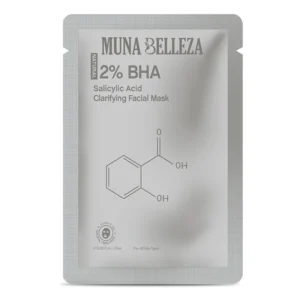 Salicylic Acid Face Mask
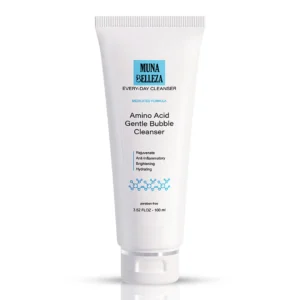 Amino Acid Gentle Bubble Cleanser
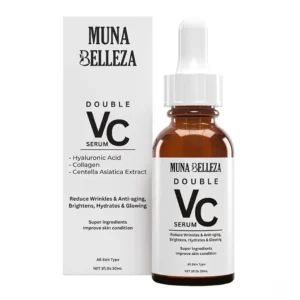 Double Vitamin C Serum

Pingback: How to Get Glowing Skin: 9 Habits That Work