 Gentle skincare for clear, even-looking skin
Uneven skin tone is a broad description, not a single problem. It covers any face where the color is not consistent: a few brown marks left by old breakouts, redness across the cheeks, shadowy patches on the forehead or an overall dullness that makes skin look tired.
That is why one “tone-correcting” product rarely does everything the label suggests. Brown, red and dull each have a different cause and respond to different care. This guide helps you identify which kind you have, explains what brings it on and sets out the ingredients that help skin look more even over time.
What does uneven skin tone look like?
Most people have a mix of the following.
- Brown or gray-brown spots and patches, darker than the skin around them
- Pink, red or purple areas, either as flat marks or as general flushing
- Dullness, where skin looks flat, sallow or ashy
- Paler patches that have less color than the rest of the face
- Shadowing around the mouth, eyes or hairline
It can appear at any age and on every skin color. Deeper skin tones are more prone to dark marks after inflammation, while lighter skin shows redness and sun freckling more readily.
What causes uneven skin tone?
Extra pigment
The most common cause is hyperpigmentation, which means some areas of skin have made more melanin than others. Sun exposure, hormones, inflammation and skin injuries all trigger it. Sun spots, melasma and the marks left by acne belong here. We explain the process in what is hyperpigmentation.
Redness
Red unevenness comes from blood vessels, not pigment. Irritation, rosacea, broken capillaries and fresh acne marks are the usual sources. Because the cause is different, pigment-targeting products do little for it. See how to reduce redness on your face.
Dullness
Skin looks dull when dead cells build up on the surface, when it is dehydrated or when circulation is sluggish from poor sleep or smoking. Light scatters instead of reflecting, so the whole face looks uneven even without obvious spots.
Loss of pigment
Paler patches can follow a healed rash or injury, or come from conditions such as pityriasis alba, tinea versicolor and vitiligo. These need a diagnosis, because their treatments are specific.
Sun damage over time
Years of sun produce a mottled mix of brown spots, redness and rough texture together. It is the main reason tone becomes less even with age.
Texture
Bumps, large pores and scars cast tiny shadows that read as uneven color. If your skin feels rough as well as looking patchy, see our guide to skin texture.
How do you tell brown marks from red ones?
Press a clear glass or your fingertip gently against the mark and watch what happens.
- If the color fades under pressure and returns when you let go, it is redness from blood vessels.
- If the color stays the same, it is pigment.
On deeper skin tones, new marks may look purple or dark brown from the start, and the press test is less obvious. In that case, think about timing. A mark that appeared where a spot or rash healed is almost always pigment.
How to fix uneven skin tone: where to start
If you want to know how to fix uneven skin tone, begin with the three steps that help every type. They are not exciting, but nothing else works well without them.
1. Wear sunscreen every single day
Ultraviolet and visible light darken existing marks and create new ones. A broad-spectrum SPF 30 or higher, reapplied when you are outdoors, is the foundation. Tinted sunscreens containing iron oxides give extra protection against visible light, which matters most for melasma and for deeper skin tones. We do not make a sunscreen.
2. Be gentle
Scrubbing, picking and harsh products inflame the skin, and inflammation leaves more marks. Use a mild cleanser and a moisturizer you tolerate well.
3. Give it time
Skin renews its surface about once a month, and pigment that sits deeper takes longer. Expect eight to twelve weeks before judging any routine.
Which ingredients help brown unevenness?
These ingredients have the best evidence for evening out excess pigment. Choose one or two.
- Vitamin C interrupts pigment production and protects against sun-related damage. Read vitamin C serum benefits.
- Niacinamide reduces the transfer of pigment to the skin’s surface cells and is well tolerated. See niacinamide for skin.
- Alpha arbutin and tranexamic acid both act on the pigment pathway. We cover the second in tranexamic acid for skin.
- Azelaic acid helps with both pigment and redness.
- Retinoids speed up cell turnover so that pigmented cells are shed sooner.
- Alpha hydroxy acids, such as glycolic and lactic acid, lift dull surface cells.
Our Dark Spot Correcting Serum pairs niacinamide with arbutin. It is scented, and we do not state the percentage of either ingredient. Our Turmeric Face Mask Sheet contains niacinamide, tranexamic acid and alpha arbutin with no added fragrance, for a weekly treatment.
For a full routine aimed at spots, see how to fade dark spots on your face. If your marks follow breakouts, dark spots after acne is the better fit. Patches on the cheeks, forehead or upper lip that deepen in the sun may be melasma, and we compare the two in melasma vs hyperpigmentation.
What helps red or blotchy tone?
Calm comes first. Remove fragrance, alcohol-heavy toners and strong actives for a few weeks, and build the routine around a gentle cleanser, a soothing moisturizer and mineral sunscreen. Niacinamide, centella and panthenol are useful, and azelaic acid is the best-studied option for rosacea-type redness. Persistent redness and visible vessels respond to prescription creams and to laser or light treatment from a dermatologist.
What helps dull, flat-looking skin?
- Exfoliate gently once or twice a week with an AHA or a mild enzyme product.
- Hydrate with glycerin or hyaluronic acid, and seal it with a moisturizer.
- Use vitamin C in the morning.
- Sleep enough, and do not smoke.
Our Double Vitamin C Serum is a light, fragrance-free option for mornings. You will find more in our picks for dull skin.
What should you avoid?
- Lemon juice, baking soda and other kitchen remedies, which irritate and can leave new marks
- Unregulated fading creams sold without a prescription, especially products of unknown origin. Some contain steroids or mercury.
- Layering many acids and actives at once
- Scrubbing at dark areas. Friction makes pigment worse.
- Skipping sunscreen on cloudy days or indoors near windows
Can makeup help in the meantime?
Yes. Color correctors work on the principle of opposites: peach or orange tones cancel brown and blue-gray areas, and green cancels red. Apply a thin layer only where needed, then your usual foundation. A tinted sunscreen can cover and protect in one step.
When should you see a dermatologist?
Make an appointment if:
- A spot is new, changing, bleeding, itchy or has uneven color or borders
- You have pale or white patches
- Patches appeared with a new medicine or during pregnancy and are spreading
- Redness has lasted more than a few weeks
- Three months of consistent care has made no difference
A dermatologist can confirm the cause and offer prescription creams, chemical peels or laser treatment where they are appropriate.
What can you realistically expect?
With sunscreen and one or two well-chosen ingredients, most uneven skin tone improves gradually over two to six months. Some causes, such as melasma and rosacea, are long-term and need ongoing care to stay under control. Perfectly uniform skin is not the goal, and it is not what healthy skin looks like. Aim for a face that is comfortable, protected and a little more even each season. You can browse our picks for dark spots.
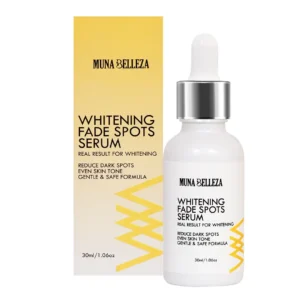 Dark Spot Correcting Serum
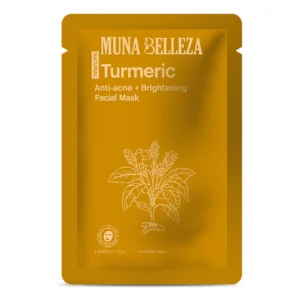 Turmeric Face Mask Sheet
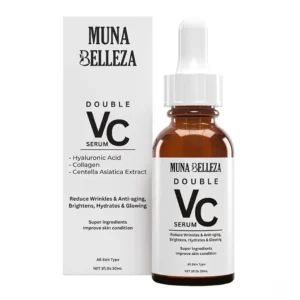 Double Vitamin C Serum
Pingback: How to Get Glowing Skin: 9 Habits That Work